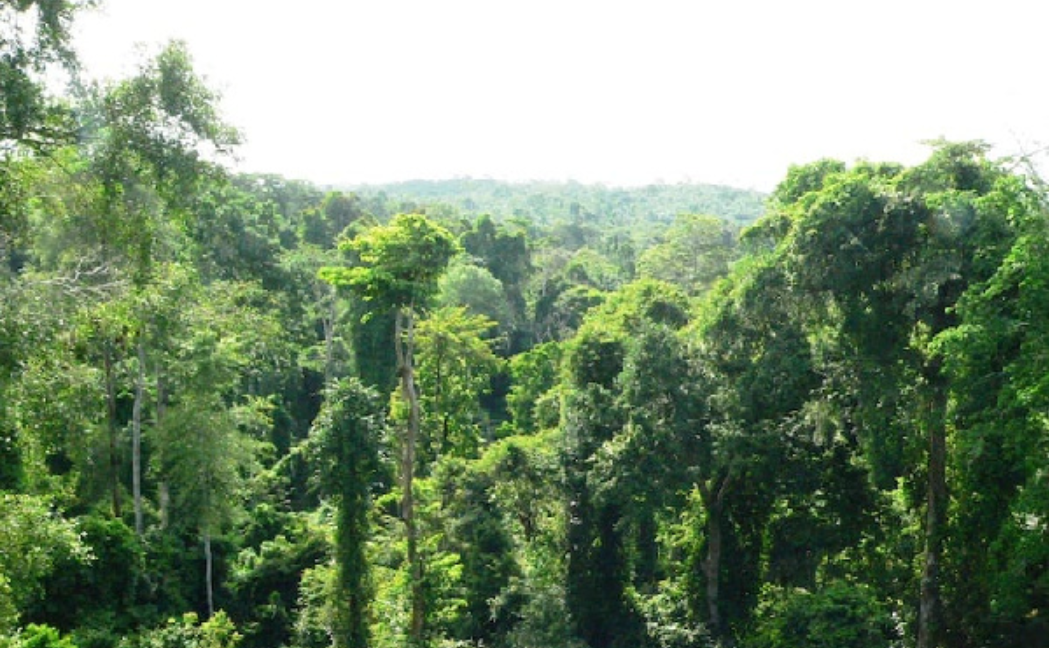
Inside Accra, Ghana's bustling capital, sits one of the city's most precious treasures — a lush, green forest that has been fighting for its life. Now, after years of uncertainty, Achimota Forest is finally safe.
On June 24, 2026, Ghana's Minister of Lands and Natural Resources, Emmanuel Armah-Kofi Buah, announced that the government would revoke two executive instruments — E.I. 144 and E.I. 234 — that had opened 361.5 acres of the forest to development back in 2022. The decision restores the forest's protected status, halting construction plans that conservationists warned would permanently damage one of Accra's last large urban green spaces.
The Association of Women in Sustainability Professionals (AWSP), a group that advocates for women's roles in environmental planning, welcomed the reversal as a major milestone. But the organization sees the moment as bigger than just saving one forest — it's a chance to rethink how Ghana protects its natural spaces as cities keep growing.
Achimota Forest covers more than 1,200 acres, making it the largest surviving urban forest in Accra. It's home to over 200 plant species and more than 150 bird species. The forest also acts as a natural shield against flooding and extreme heat — problems that are getting worse as Accra expands and temperatures rise. Beyond the ecology, the forest holds deep cultural and spiritual significance for local communities, while offering residents a rare escape into nature in one of Africa's fastest-growing cities.
For years, urban development pressure threatened to shrink the forest forever. The 2022 policy change had cut away a massive chunk of the reserve, opening the door to buildings and roads. Conservation groups sounded alarms that once that green space was gone, it couldn't be replaced.
Now, with the policy reversed, Ghana is also hoping to strengthen its position in international climate talks. The decision is expected to boost Ghana's Nationally Determined Contributions under the Paris Agreement, the global pact where countries set their climate goals.
AWSP didn't just celebrate the win — the group pushed for more. They argue that women often suffer most from environmental damage in cities, whether through health problems, extra caregiving duties, or economic hardship. That makes women's voices essential in how the forest is managed going forward, the organization says.
Looking ahead, AWSP is calling for stronger rules to prevent future encroachment, restoration plans designed specifically for an urban setting, and official integration of the forest into Accra's city planning — treating it as essential infrastructure, not just an optional green patch. The group also wants decision-making processes that actively include women, young people, and marginalized groups.
The message from AWSP was clear: forests are not expendable assets, but legacies for future generations. And with Achimota Forest now protected, Ghana has a chance to show the world how cities can grow without swallowing up nature entirely.