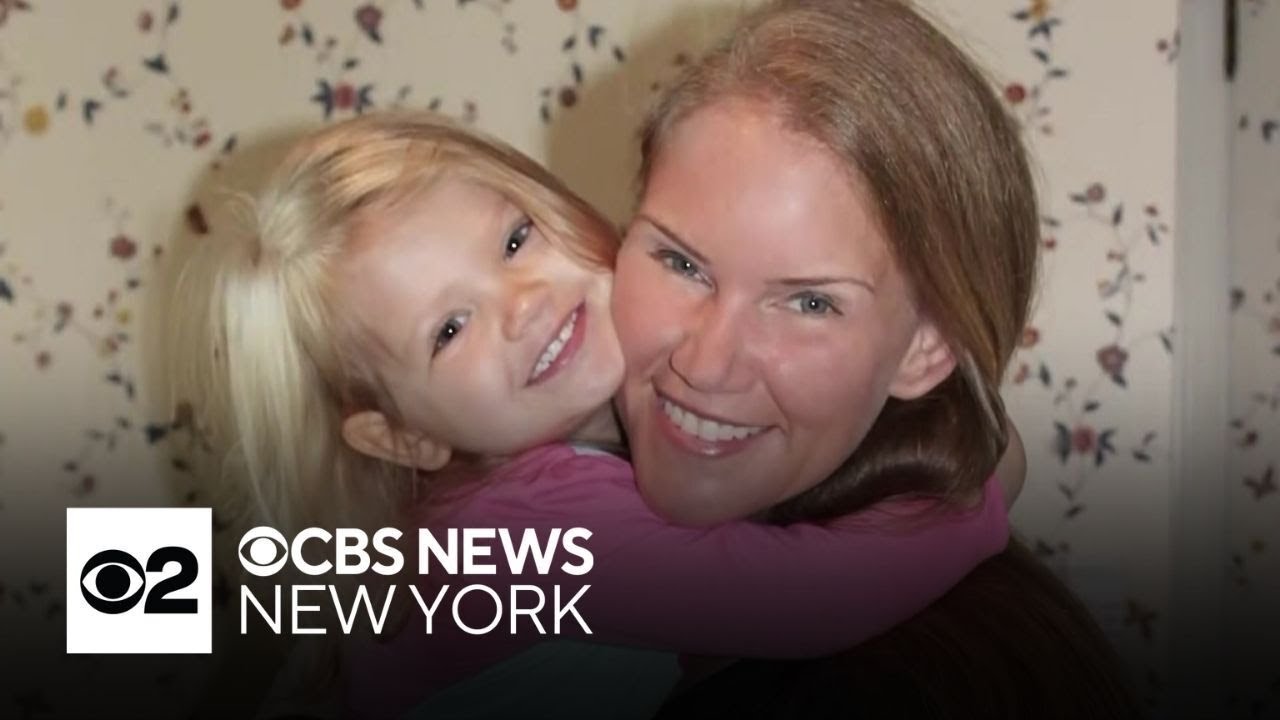
Jacqueline Franchetti still keeps a photo of her daughter Kyra on her dresser—bright eyes, pigtails, seven years old—frozen in the moment before tragedy rewrote their lives. Now, after a decade of relentless advocacy, Kyra’s name is on the verge of becoming law in New York, a legacy that could transform how family courts protect children in custody battles. Kyra’s Law, a pair of bills passed unanimously by both chambers of the New York legislature, would require judges to prioritize evidence of child abuse and domestic violence above all other factors when deciding custody or visitation rights. The legislation sits on Governor Kathy Hochul’s desk, awaiting her signature before it becomes a permanent shield for vulnerable children.
The law emerges from unbearable loss. Years ago, Franchetti fought to keep Kyra safe during a bitter custody dispute, presenting police testimony about her ex-partner’s stalking, threats, and escalating behavior. Despite this, the court deemed him a “low risk” and awarded joint custody. That decision ended in catastrophe: Kyra was killed in a murder-suicide at her father’s home. Franchetti’s grief ignited a mission. She spent ten years refining the bill’s language to ensure it protected children without opening the door to unfounded claims, carefully excluding hearsay and unverifiable allegations. Her advocacy galvanized a movement—300,000 New Yorkers emailed legislators or marched in support, pushing the bill through years of legislative gridlock.
"Kyra’s Law is going to move us lightyears forward in addressing the child custody crisis and protecting children from abusive parents," Franchetti told CBS News, her voice steady with resolve. Legal experts agree. Patricia Pastor, a veteran family court professional, emphasized that the law will give judges clear, life-saving guidance: child safety must come first. Too often, courts weigh parental rights equally, even when red flags are raised by law enforcement or documented in police reports. Kyra’s Law changes that calculus, centering the child’s well-being in every decision.
If signed, the law will not bring Kyra back, but it will honor her memory by preventing similar tragedies. For Franchetti, that’s the point. "This isn’t just about me," she said. "It’s about every child who can’t speak for themselves." As the year-end deadline for the governor’s decision approaches, advocates watch closely, hoping that a mother’s long fight will finally become a lasting promise: no child should be sent into danger by the very system meant to protect them.