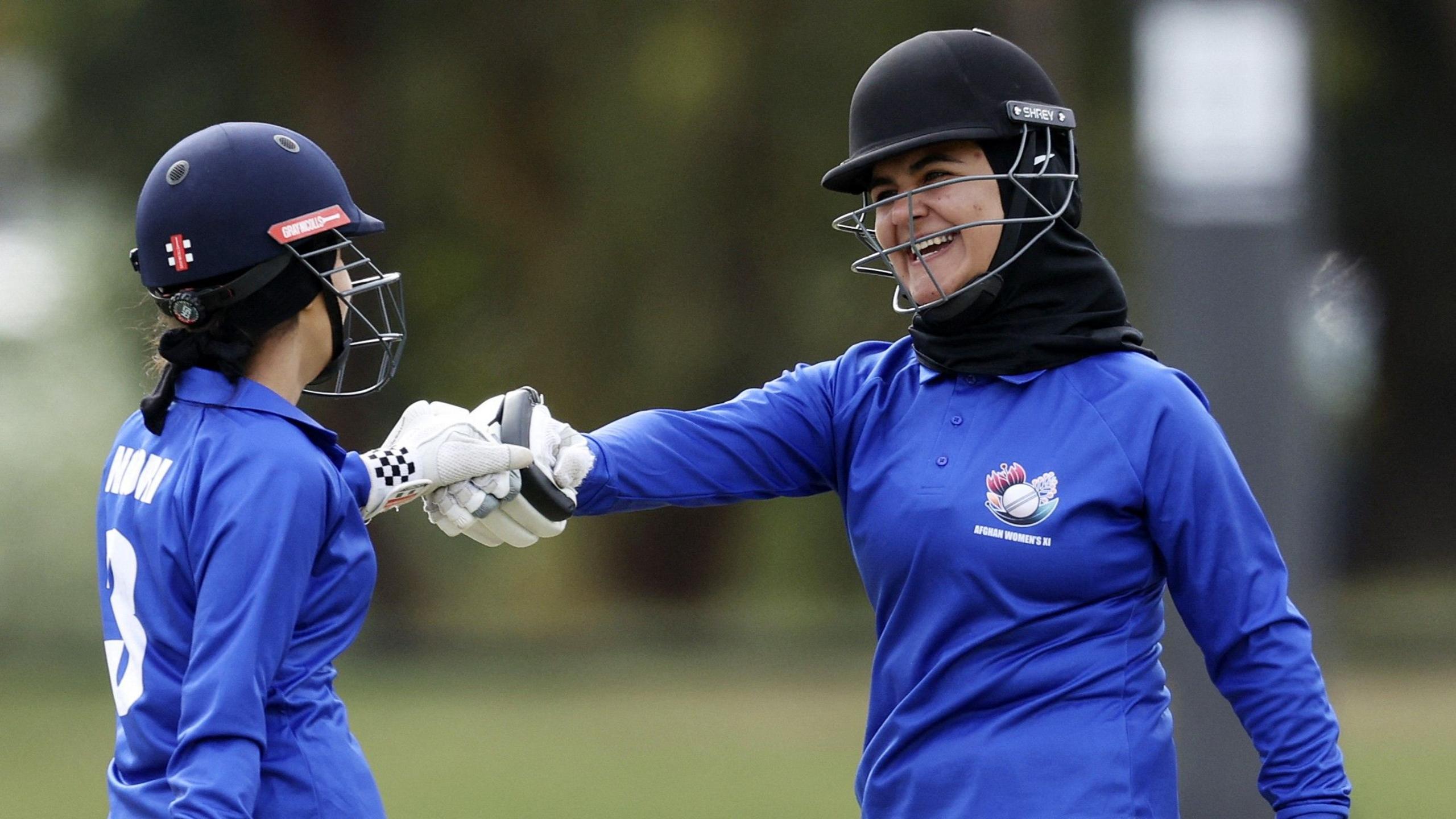
In January 2025, the Afghanistan women's refugee cricket team took the field for their first competitive match in Melbourne — a moment that marked not just the start of their international cricket journey, but a testament to the power of sport to welcome those displaced by conflict. Now, as these players prepare to attend the T20 World Cup final at Lord's this July, their long-term future hangs in the balance, with the International Cricket Council set to discuss the team's funding at its annual conference in Edinburgh just days later.
The story of this team is one of remarkable resilience. When the Taliban returned to power in Afghanistan in 2021, cricket's female players faced an uncertain future in a country where women's sport had become impossible. But the sport's global governing bodies stepped in with a lifeline. The England, Australia, and India cricket boards, alongside the ICC, launched a joint support programme to enable these exiled athletes to continue competing at the highest levels. The squad has already made their mark on the international stage, traveling to India during last year's 50-over World Cup and now touring England for developmental T20 matches throughout the summer.
Yet there is an urgency to the discussions ahead. The funding that has sustained the team through these crucial early months is set to expire in August — leaving a critical gap just as the players are building momentum and visibility on the world stage. The timing of the ICC's annual conference, beginning on July 8th in Edinburgh, is significant: it comes just three days after the Afghan team's attendance at the T20 World Cup final at Lord's, positioning the players and their achievements front and centre in conversations about cricket's future.
The potential discussions at the conference extend beyond a single team. The ICC is expected to consider how cricket can more broadly integrate refugee athletes into the global competitive ecosystem — a conversation that reflects shifting attitudes about sport's role in providing stability and opportunity for displaced communities. For the Afghanistan women's team, this represents a chance to secure not just funding, but also recognition of the broader principle that cricket, like all sport, can be a sanctuary.
The players themselves have already demonstrated their worth and determination. From their first match in Melbourne to their upcoming appearance at sport's biggest stage, they have shown that talent and passion transcend borders and circumstances. What happens next at the ICC conference will determine whether the support that enabled their journey so far can be transformed into something sustainable — a foundation for years of competition rather than merely months.
For cricket-loving communities around the world, the question is clear: will the sport invest in what these athletes have already proven they can achieve? The answer will come soon enough, but the narrative arc — from exile to international stage to lasting institutional support — is already being written.