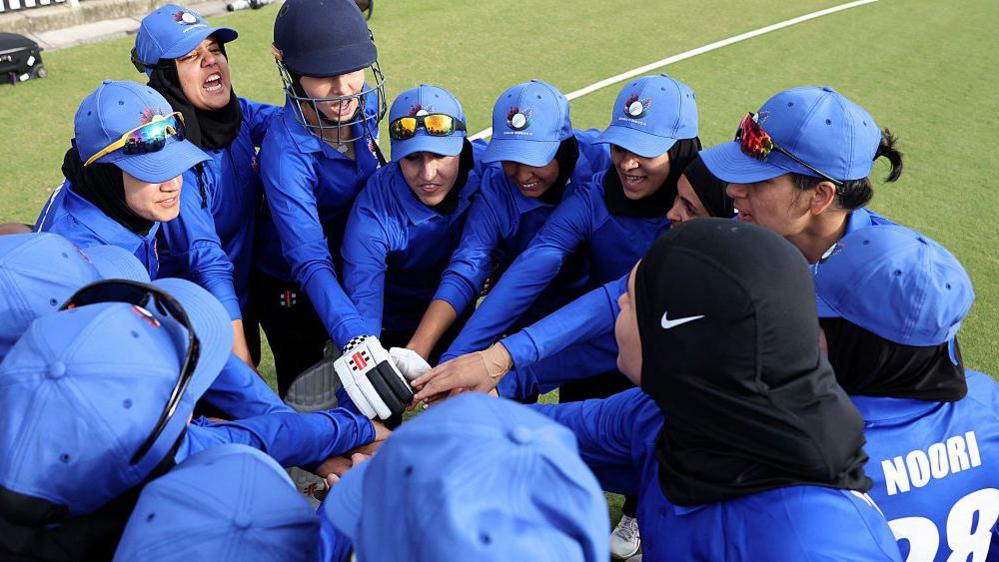
More than 20 Afghan women cricketers will land in England this June, carrying the hopes of millions of girls barred from sport in their homeland. Since the Taliban returned to power in 2021, female participation in sports across Afghanistan has been effectively outlawed, forcing this entire generation of athletes into exile—most finding refuge in Australia. Now they're preparing to tour England from 22 June, playing T20 matches and attending the T20 World Cup final, in a quiet but defiant act of resistance.
The Afghanistan Women's XI represents something far larger than cricket. These players fled a country where their fundamental right to compete was stripped away overnight. Their first competitive match came just this January in Melbourne, a landmark moment for athletes who had been in limbo for years. Yet they remain stateless in international sport—not officially recognized by cricket's global governing body despite Afghanistan's men's team retaining full Test status. The contradiction is stark and painful: the ICC requires all full members to maintain women's national teams, yet it has not extended this same standard to the Afghan women seeking to represent their displaced community.
The England and Wales Cricket Board has embraced the tour as an opportunity with "significant cultural and sporting importance." This backing matters enormously. The ECB has been vocal about Afghanistan's situation, calling it "nothing short of gender apartheid" after controversy erupted in 2024 when more than 200 politicians signed a letter urging England to boycott their Champions Trophy match against Afghanistan's men's team. That fixture proceeded, but it underscored the tension between sporting engagement and human rights concerns that continues to haunt international cricket.
The International Cricket Council stepped in last April with a dedicated taskforce to support the displaced female cricketers, partnering with the ECB, Cricket Australia, and India's cricket board to provide direct monetary assistance. But the long-term future of this funding remains uncertain—a precarious situation for athletes with no home federation to fall back on.
What gives the Afghan women's team genuine hope is a precedent set elsewhere. In April, FIFA approved Afghanistan's return to international women's football competitions, allowing exiled female footballers to represent their country from wherever they live. The cricketers have seized on this moment, calling on the ICC to follow FIFA's lead and grant them official recognition.
"Fifa has given significant hope to many Afghan women athletes and shown that no matter where they live, they can represent their country and follow their passion," said Shafiqa Khan, one of the refugee cricketers, to Australia's ABC Sport. "We can represent Afghan women who live back home and be a voice for a million girls who are denied their basic rights and follow their passion."
This summer's England tour is more than a sporting engagement—it's a statement that Afghan women's cricket will not be erased. Whether the ICC will grant these athletes the official recognition they're seeking remains uncertain. But their presence on English grounds, their participation in a World Cup final they cannot otherwise attend, their very refusal to disappear: these acts matter. They keep alive the possibility that sport can transcend borders, and that exile need not mean erasure.