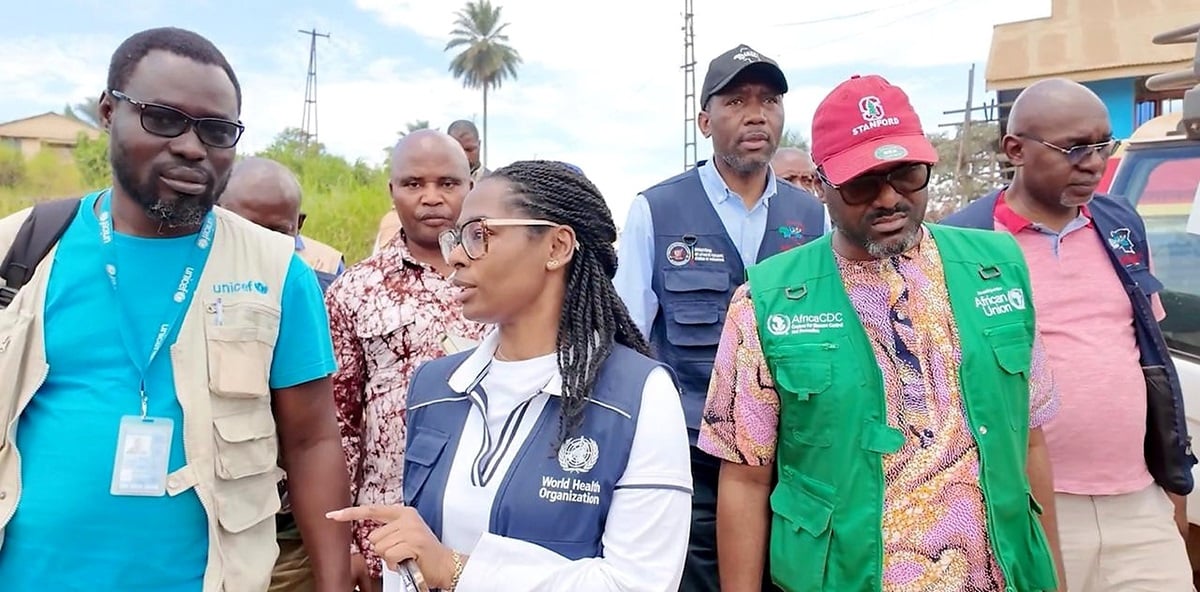
In the face of a fast-moving Ebola outbreak, Africa's two most powerful health institutions have joined forces with an ambitious plan that puts the continent in the driver's seat. The Africa Centres for Disease Control and Prevention (Africa CDC) and the World Health Organization launched a unified continental response strategy to tackle the ongoing Bundibugyo Ebola outbreak, backed by a commitment to raise $518 million and coordinated action across governments, communities and health partners through mid-2026.
The scale of this effort matters because Ebola moves with terrifying speed, and Africa's response must match that pace. The six-month plan, running from June through November 2026, represents something rare: a truly coordinated continental approach under what officials call a "One Response" framework. Rather than scattered national efforts, the strategy weaves together disease surveillance, laboratory testing, clinical care, infection prevention and control, emergency coordination, community engagement, research and logistics into a single coordinated effort. This unified approach complements response plans launched by the governments of the Democratic Republic of the Congo and Uganda, the nations most directly confronted by the outbreak.
Dr Jean Kaseya, Director-General of Africa CDC, crystallized the stakes simply: "Ebola moves fast. Africa must move faster." That urgency reflects a grim reality—there are no licensed vaccines or therapeutics specifically approved for the Bundibugyo species of Ebola, leaving health systems themselves as the primary tool for saving lives. The plan therefore prioritizes strengthening those systems, particularly in ten priority countries where critical preparedness measures are being enhanced to catch new cases early and respond swiftly before transmission spreads.
The emphasis on communities sets this response apart from earlier efforts. WHO Director-General Dr Tedros Adhanom Ghebreyesus stressed that "without their participation, contact tracing falters, safe care is delayed, and transmission continues." This insight reflects decades of hard-won lessons about why outbreak response succeeds or fails. Community trust and engagement are not afterthoughts but central to the entire strategy, from identifying contacts to supporting safe care. The plan also prioritizes vulnerable populations and strengthens cross-border collaboration, recognizing that viruses ignore national boundaries.
Significantly, the response plan holds space for other pressing health emergencies. Rather than allowing Ebola response to overshadow parallel crises, the strategy explicitly commits to maintaining support for ongoing mpox, cholera and measles responses. This balanced approach protects progress toward the stronger health systems that Africa needs not just for today's outbreak but for the next potential threat.
The coordinated effort builds on lessons from previous Ebola outbreaks and recent public health emergencies. Implementation of preparedness and response activities is already underway across affected and at-risk countries, with momentum accelerating in the Democratic Republic of the Congo where authorities and partners are ramping up efforts to contain and end the outbreak. Success will hinge on three pillars that institutions have identified as non-negotiable: strong political commitment, sustained financing and close collaboration among governments, health workers, communities and international partners.
Africa's collective action on Ebola signals a continent determined to strengthen its own capacity to prevent, detect and respond to health threats while protecting lives and livelihoods. The message, delivered in unified voice from Addis Ababa, is clear: Africa is moving forward with the speed, resources and solidarity this outbreak demands.