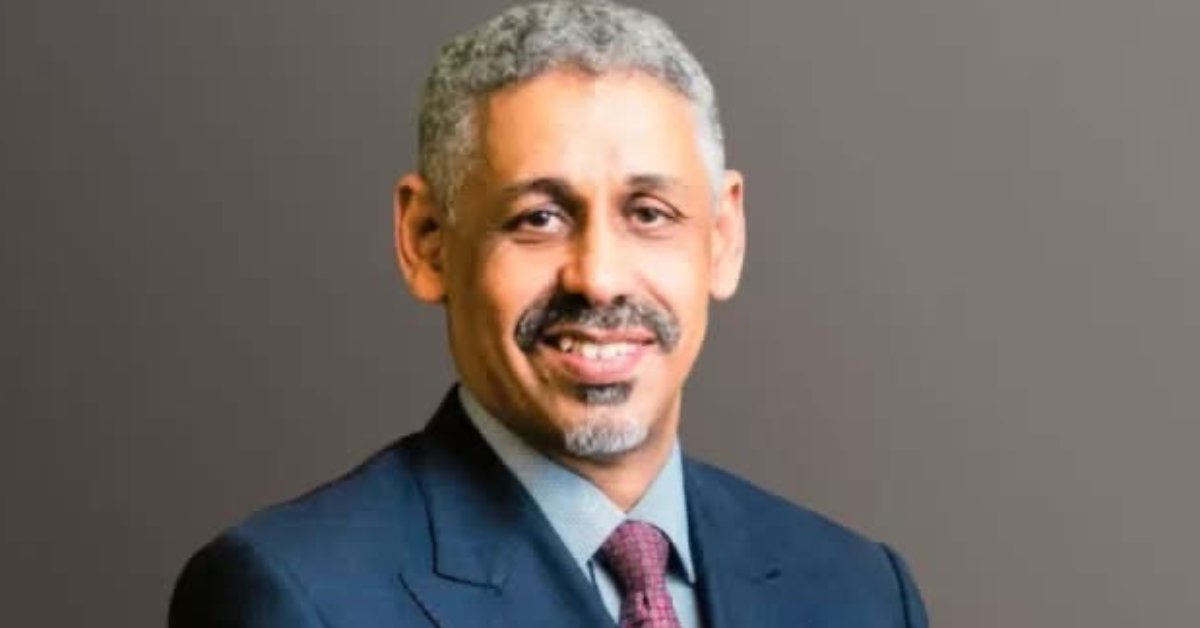
Sidi Ould Tah, President of the African Development Bank Group, stepped up to deliver news that reframes how the world sees Africa's economic future: 12 of the world's 20 fastest-growing economies are now on the continent. Speaking at the AfDB Annual Meetings in Brazzaville this week during the unveiling of the 2026 African Economic Outlook, Tah painted a picture of a region increasingly central to global growth—even as geopolitical tensions and trade uncertainty cloud prospects elsewhere.
The numbers tell a compelling story. African economies maintained real GDP growth of 4.3 percent in 2026, and the AfDB projects that figure will climb to 4.5 percent in 2027. That steady momentum matters because it demonstrates resilience. While many regions battle slower recovery and weakening development support, Africa is accelerating. More than raw growth rates, the continent's GDP per capita growth has doubled in just two years—rising from 0.9 percent in 2023 to 1.9 percent in 2025—a shift that translates to stronger economic activity and rising productivity across multiple markets.
The renewed global confidence in African economies is visible in the flow of capital. Foreign direct investment surged 75 percent in 2024, bringing $97 billion into the continent and signaling that international investors see opportunity where others see risk. Remittances, too, have strengthened as a lifeline: they climbed 14 percent in 2024 to reach $186 billion, making them one of Africa's largest external financing sources and a direct support system for countless households.
Even inflation—a challenge that has gripped many African nations—is improving. The AfDB reported that inflation declined sharply from 21.8 percent in 2024 to 13.6 percent in 2025, though Tah cautioned that rising energy prices and increasing import costs could trigger fresh pressure in some markets. The trajectory, however, is encouraging.
Yet Tah's message was not one of complacency. He acknowledged that major structural challenges still threaten sustainable growth and called on African governments to accelerate investment-led development, strengthen infrastructure financing, and invest meaningfully in human capital. He also pushed for deeper financial reforms that would reduce Africa's dependence on foreign aid—a shift toward economic sovereignty and domestic resilience that speaks to long-term strength. His vision includes African nations maximizing their demographic advantage, attracting long-term investments, and sustaining policies that unlock broader economic transformation.
The timing of these announcements reflects a broader global realization. As investors increasingly focus on Africa's expanding consumer markets, youthful population, digital innovation, and natural resource potential, the continent is being repositioned not as a recipient of aid but as an emerging economic frontier. The latest AfDB outlook adds to growing optimism about Africa's future—one where improving growth numbers, strategic investment, and intentional policy choices converge to reshape not just African prosperity but the global economic landscape itself. In an era of worldwide uncertainty, Africa's economic dynamism offers something rare: genuine hope grounded in data.