When the Strait of Hormuz partially closed this year, oil climbed above $110 a barrel, and Africa's familiar playbook began to unfold: emergency finance minister sessions, promises to pause clean energy investments, and whispered talk of gas-to-power schemes. But this time may be different—for the first time in the continent's modern economic cycle, the conditions exist to break out of a pattern that has repeated three times before.
In 2008, the global financial crisis interrupted a Brent spike that had touched $147. In 2014, the shale revolution drove prices from nearly $100 to below $40 in eighteen months, pulling the fiscal rug from under African governments that had been using commodity revenues to fund energy access. In 2022, the Ukraine conflict pushed Brent above $100 and reanimated continental debates about gas-to-power development. Each time, clean energy investment continued growing, but slowly, episodically, and far short of what Africa's electricity access gap actually demanded. The continent is home to 600 million people without power.
The pattern is consistent and concerning. Academic research covering 53 African countries confirms that oil price shocks have historically had an adverse influence on Africa's energy transition, with effects most pronounced in net crude oil exporting countries, where rising revenues reduced the urgency of transition investment. In net oil importers, higher import costs create fiscal pressure that should theoretically accelerate the shift to domestic clean energy—but in practice, that same pressure has repeatedly made it harder to mobilise the upfront capital that renewable projects require.
Yet the data tells a more hopeful story than it did before. Private sector clean energy investment in Africa nearly tripled from $17 billion in 2019 to almost $40 billion in 2024. While this still covers roughly one-fifth of the $200 billion annually that the IEA estimates Africa needs by 2030 to achieve all its energy access and climate goals, the trajectory reflects a market maturing beneath the surface. BloombergNEF's Africa Power Transition Factbook 2024 captures part of this shift: Africa's share of global renewable energy investment reached 2.3% in 2023, still below its 3% share of global electricity generation, but the continent holds 60% of the world's best solar resources.
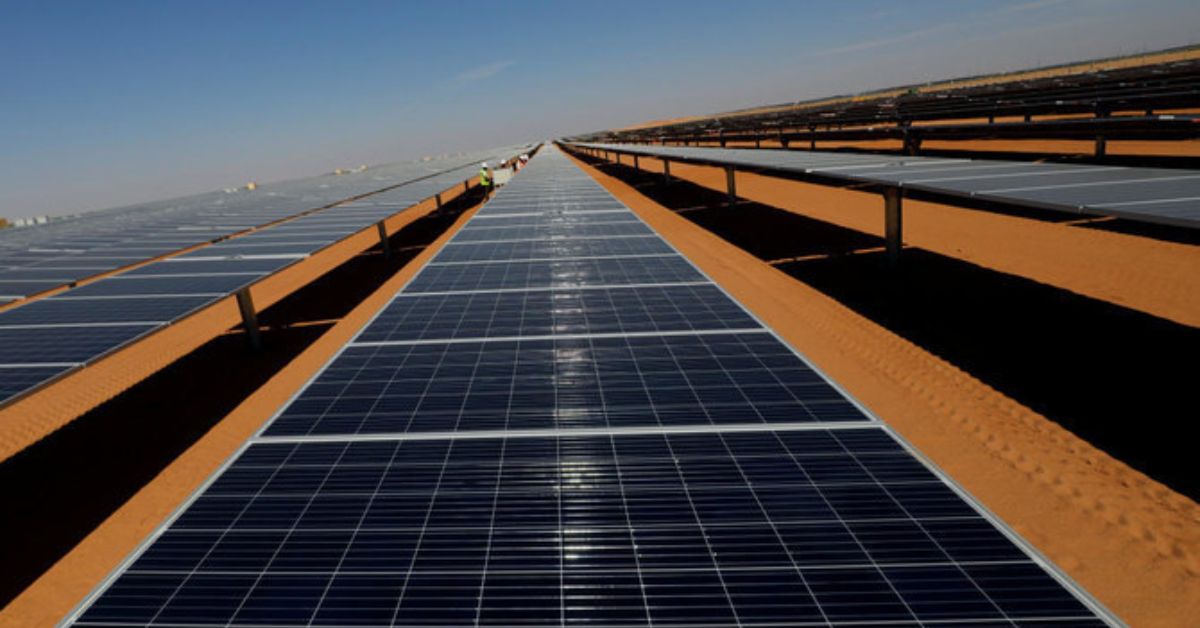
What distinguishes 2026 from previous shock cycles is cost. Solar and wind are now cheaper than coal and gas in countries like Nigeria, Egypt, and South Africa—a condition that barely held in 2014 and was only beginning to be true in 2022. The fiscal arithmetic has flipped. A finance minister who deprioritises a solar project today is not making a financially conservative decision; they are making an expensive one, and the numbers now make that visible in ways they never did before.
The second structural shift is the funding environment itself. Where previous shocks arrived to find clean energy capital sparse and expensive, today's market includes dedicated Africa-focused infrastructure funds, deepening local currency financing, and investors hunting for projects in a continent that suddenly looks like both a necessity and an opportunity.
For the first time in eighteen years of oil price cycles, the conditions for structural change are all simultaneously present. Whether policymakers and investors seize this moment will determine whether 2026 becomes the year Africa's clean energy transition finally stops bending around oil shocks and starts building on its own terms.