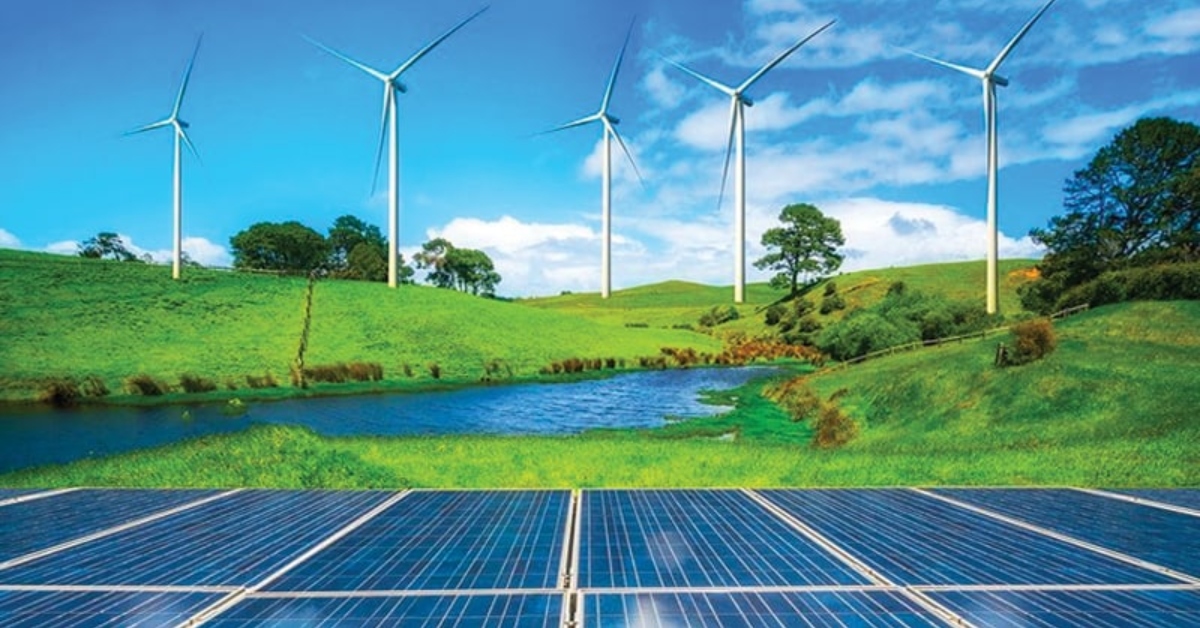
Standard Bank's financing for renewable energy across Africa outpaced non-renewables by 8:1 in 2025—a striking tilt that signals the continent is fundamentally rewiring how it generates power. Nearly 600 million people across Africa still lack reliable electricity access, making this shift far more than a climate story: it is an economic and development imperative that could reshape how millions of Africans live and work.
The acceleration is being driven by solar and wind projects, often paired with battery storage systems, riding the wave of plummeting technology costs and policy momentum. As capital reallocation gathers pace, renewable energy is no longer a marginal experiment but a core component of Africa's energy strategy. Standard Bank alone mobilised R47.1 billion in green finance during 2025, already achieving 62 percent of its R450 billion sustainable finance target by year's end—a pace that reflects genuine market confidence, not just institutional commitment.
The real-world impact is visible in specific projects across southern Africa. The bank acted as sole mandated lead arranger for the 506MW Khauta South and West Solar projects in South Africa's Free State, which will supply over 1,000GWh annually to corporate off-takers through wheeling arrangements—a model that spreads clean power efficiently across existing grids. Seriti Green's 465MW Ummbila Emoyeni wind portfolio in Mpumalanga is now the largest privately owned wind platform in South Africa. Red Rocket's 400MW Overberg Wind Farm will power major industrial users including Richards Bay Minerals. These aren't token projects; they represent the backbone of a new energy economy.
What makes this transition genuinely compelling is that it is not simply about decarbonisation. Boitumelo Sethlatswe, Standard Bank's Head of Sustainability, framed the shift as structural: "Renewables are becoming critical to capacity. Importantly, this transition is not only about reducing emissions, but about expanding access to affordable, reliable energy in a way that supports inclusive growth." The emphasis on jobs, community support, and economic resilience reveals something often missing from climate narratives—a clear-eyed recognition that Africa's energy transition must serve development, not hinder it.
Standard Bank's own commitment reflects this philosophy. The bank pledged to mobilise R100 billion in green finance by 2028, positioning itself as a major architect of Africa's "just transition"—industry language for a low-carbon shift that is fair and inclusive. It is a deliberate counterweight to the risk that renewable investment could concentrate benefits among corporate players while leaving communities behind.
Beyond generation capacity, the focus is expanding to grid stability, energy storage, and decentralised solutions—the unglamorous but essential infrastructure that transforms potential into reliable power. These components are what separate sustainable projects from sustainable systems. As African economies build new value chains around renewables, they are also positioning themselves for participation in the global green economy, creating downstream industrial opportunities that extend far beyond the solar panels and turbines themselves.
The 8:1 ratio tells a clean story, but the fuller picture is more textured: Africa is navigating a complex balancing act between decarbonisation, economic growth, and social inclusion. The momentum is real, the need is urgent, and for the first time in the continent's energy history, capital and climate align in the same direction.