When COVID-19 struck, South Africa's Aspen and Rwanda's burgeoning biotech sector found themselves waiting—along with millions across the continent—while wealthier nations hoarded vaccine supplies secured through advance purchase agreements that left Africa at the back of an unforgiving global queue. That crushing moment of vulnerability has now sparked one of Africa's most consequential industrial transformations.
The African Union has set a historic target: produce 60 percent of Africa's vaccine needs locally by 2040, a stunning reversal from the less than 1 percent the continent manufactured before the pandemic. What makes this goal significant is that it signals far more than pharmaceutical ambition. The vaccine manufacturing drive has become the continental test case for building Africa's broader health security architecture—and, by extension, its economic sovereignty.
The pandemic exposed decades of structural underinvestment in scientific infrastructure, fragmented regulatory systems, and manufacturing capacity spread so thin that African nations had little choice but to depend on donor-funded vaccination programmes and external supply chains dominated by Europe, North America, India, and China. When global emergencies arrived, that dependence became dangerous. Even initiatives like COVAX struggled to close the access gap quickly enough, and the lesson burned itself into African policymaking: health security cannot be outsourced to external goodwill.
Today, the response is both concrete and ambitious. Through the African Union's Partnerships for African Vaccine Manufacturing and the New Public Health Order, real money is moving. Gavi's African Vaccine Manufacturing Accelerator has committed approximately $1.2 billion over ten years to stabilise demand and reduce commercial risk for African manufacturers. Alongside that, institutions like the African Export-Import Bank, the European Investment Bank, and the International Finance Corporation are funding production facilities across the continent.
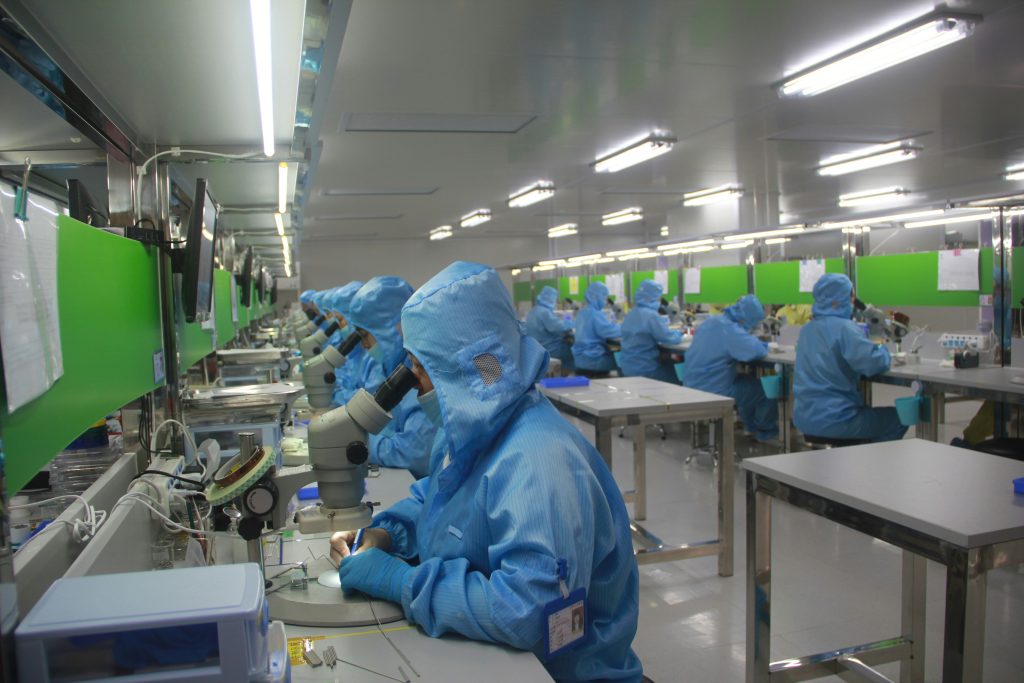
The work is already visible. South Africa's Aspen and Biovac are expanding manufacturing capacity. Senegal's Institut Pasteur de Dakar is advancing modular production systems. Rwanda has partnered with BioNTech to establish mRNA production facilities—bringing cutting-edge technology home. Ghana became the first African country to produce a locally developed cholera vaccine through DEK Vaccines, proving the concept works. Egypt and Morocco are scaling export-oriented pharmaceutical production, positioning themselves as regional hubs.
But the ambition extends well beyond filling syringes. Vaccine manufacturing is the gateway into Africa's broader knowledge economy—building expertise in genomics, biotechnology, biomanufacturing, and data science. Success here means retaining scientific talent that might otherwise emigrate, strengthening research capacity at African universities, and creating high-skilled jobs across the continent.
The economic implications are staggering. Local production could help Africa retain billions of dollars currently lost through pharmaceutical imports while simultaneously reducing exposure to global supply disruptions and currency volatility that have long destabilised healthcare systems. This is about jobs, about keeping wealth circulating through African economies, and about building resilient systems that cannot be held hostage by external actors.
Structural challenges remain—Africa still depends heavily on external inputs and expertise—but momentum is unmistakably shifting from policy discussions to implementation. For a continent that learned a brutal lesson about vulnerability, the vaccine drive represents something deeper than a manufacturing goal. It is Africa's deliberate choice to build the institutions and capacity to protect its own people.