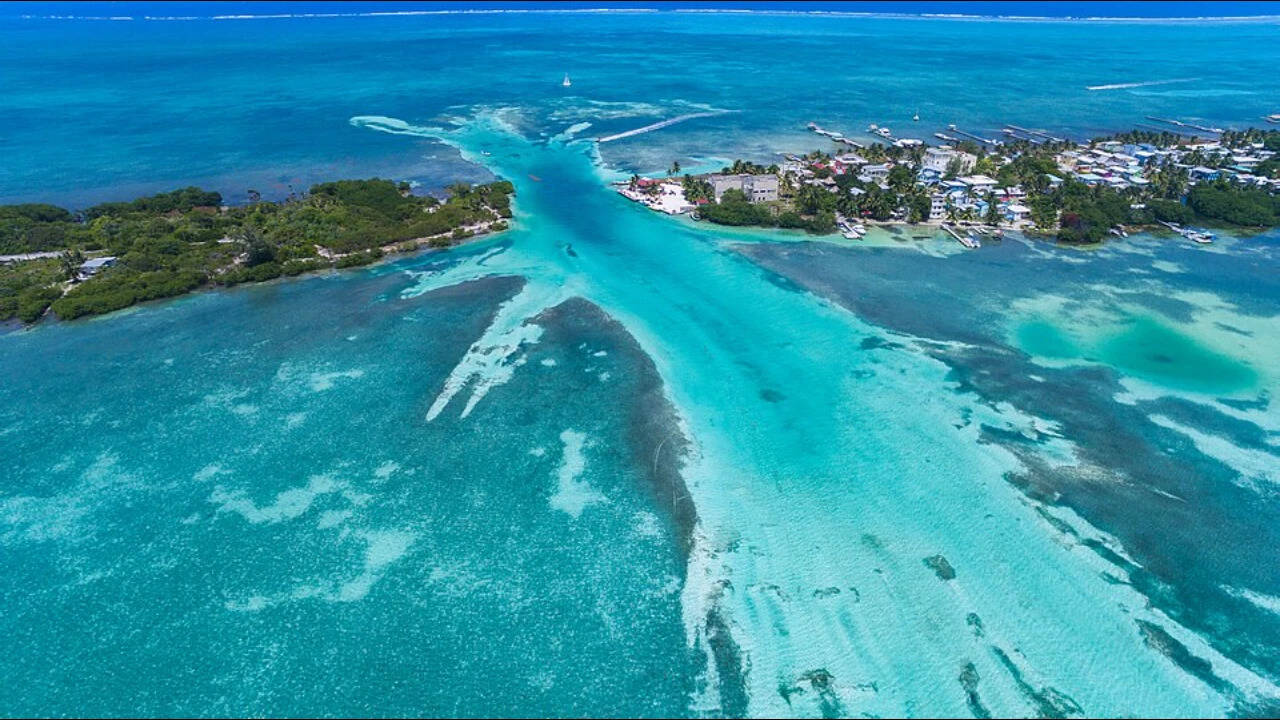
The seafloor looked like a graveyard. When Hurricane Iris slammed straight into Belize's Laughing Bird Caye National Park in 2001, it left much of the shallow reef shattered into rubble. Live shallow-coral cover plunged to less than 6% — the reef, it seemed, was finished. Marine biologist Lisa Carne, however, spotted something hopeful scattered among the seagrass beds: living elkhorn coral fragments, branches that had snapped off and drifted but were very much alive.
That small observation became the seed of a remarkable comeback. Carne realized that damaged reefs could be rebuilt simply by moving and regrowing broken pieces. From that idea grew Fragments of Hope, a community-based restoration organization in Placencia, Belize, which began replenishing the reef in 2006 using fragments of Caribbean acroporid corals — the branching elkhorn and staghorn corals that build reefs.
The method was beautifully simple. Divers collected fragments from surviving colonies, attached them to concrete bases, and set them on homemade nursery tables built from steel mesh and rebar. There, in the calm shallows, the corals were allowed to grow before being transplanted onto the damaged reef. Branching corals are well suited to this approach because they reproduce asexually — when a branch breaks off, it can grow into a whole new colony. Their tangled structures also create homes for fish and other reef life.
But Fragments of Hope did more than just count transplants. The team carefully propagated many different coral genotypes to keep the reef's genetic diversity strong, and they monitored growth, survival, bleaching, temperature and reproduction over the years. During the programme's first decade, researchers planted more than 59,000 nursery-grown fragments across more than a hectare of degraded reef.
Decades of patient work paid off. A 2023 study using drone imagery mapped a one-hectare section of shallow reef and found extraordinary results: more than 92,000 coral fragments had been planted by then, and live coral cover had climbed to around 60%. Between 2019 and 2020, the area occupied by three selected coral species grew from 2,143 to 2,401 square metres. Recovery, measured not just in numbers but in living, breathing reef, was real.
None of this happened alone. Fishers, dive operators and local residents contributed their labour and deep knowledge of the water, keeping the nurseries and transplanting work going for nearly two decades. Their involvement made restoration a community effort, not just a science project.
The story is not over. Restored corals still face rising sea temperatures, disease, pollution and increasingly severe marine heatwaves. During the extreme heat of 2024, Fragments of Hope documented widespread bleaching — but also tracked colonies showing signs of resilience. By learning which corals survive, the organization hopes to build reefs better prepared for a warming world. After a hurricane reduced a living reef to rubble, a community's steady hands brought it back.