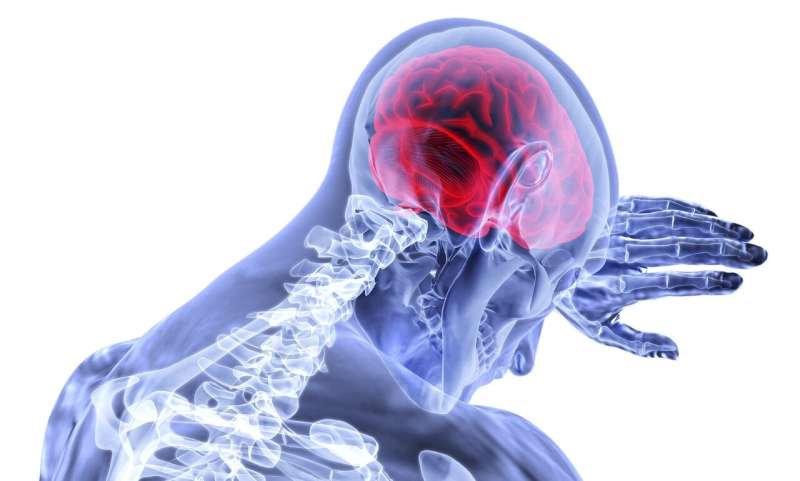
At Mayo Clinic in Rochester, Minnesota, researchers have trained artificial intelligence to do something that previously required expensive, time-consuming genetic testing: predict which patients with meningiomas—the most common primary brain tumors in adults—face the highest risk of recurrence.
The breakthrough matters because it could transform access to precision medicine. Today, doctors use DNA methylation profiling to understand a tumor's molecular fingerprint and forecast how aggressively it will behave. But this test is costly, takes time to process, and simply isn't available in many hospitals. Now, a team led by Dr. Gelareh Zadeh, chair of Neurologic Surgery at Mayo Clinic, has shown that deep learning models can extract the same crucial information from standard pathology slides—the routine H&E (hematoxylin and eosin) tissue images that are already part of every patient's care.
The study, published in The Lancet Digital Health, analyzed tissue samples, pathology images, and clinical data from 672 patients. Using multiple de-identified datasets, including resources from Mayo Clinic Platform, the researchers trained AI systems to classify meningioma subtypes and predict recurrence risk using only the standard slides clinicians were already examining. The insight is elegant: two decades of genomic and molecular knowledge can be captured inside algorithms that read the same images pathologists look at every day.
Why does this matter for patients? Meningiomas are unpredictable. Some grow slowly and never return after surgery. Others are aggressive and likely to recur, changing everything about a patient's follow-up care. Knowing recurrence risk shapes critical decisions: whether a patient needs radiation therapy after surgery, how often they should get imaging scans, and what conversations happen between doctor and patient about next steps. This is not abstract knowledge—it directly shapes quality of life and treatment burden.
The AI predictions proved robust even after researchers accounted for traditional clinical factors like tumor grade, how completely the surgeon removed the tumor, and patient age. The models also revealed something else: they could identify tumor heterogeneity—internal differences within the same tumor—that may explain why some tumors behave more aggressively or respond differently to treatment. It's the kind of personalized insight that oncologists crave but rarely have.
Dr. Zadeh frames the vision clearly: "The aim is to make these algorithms readily and simply accessible for use globally, improving patient care across many health care settings." That ambition extends beyond meningiomas. The approach could be adapted for other cancers, potentially democratizing the kind of molecular analysis that has long been gatekept by cost and geography.
Of course, the researchers are careful to note that additional prospective studies are needed before these AI models can become routine clinical tools. But the groundwork is laid. For patients with meningiomas, and eventually for people facing other cancers, this research suggests a future where precision medicine isn't a luxury reserved for major medical centers, but something accessible wherever a pathologist and a computer meet to examine a slide.