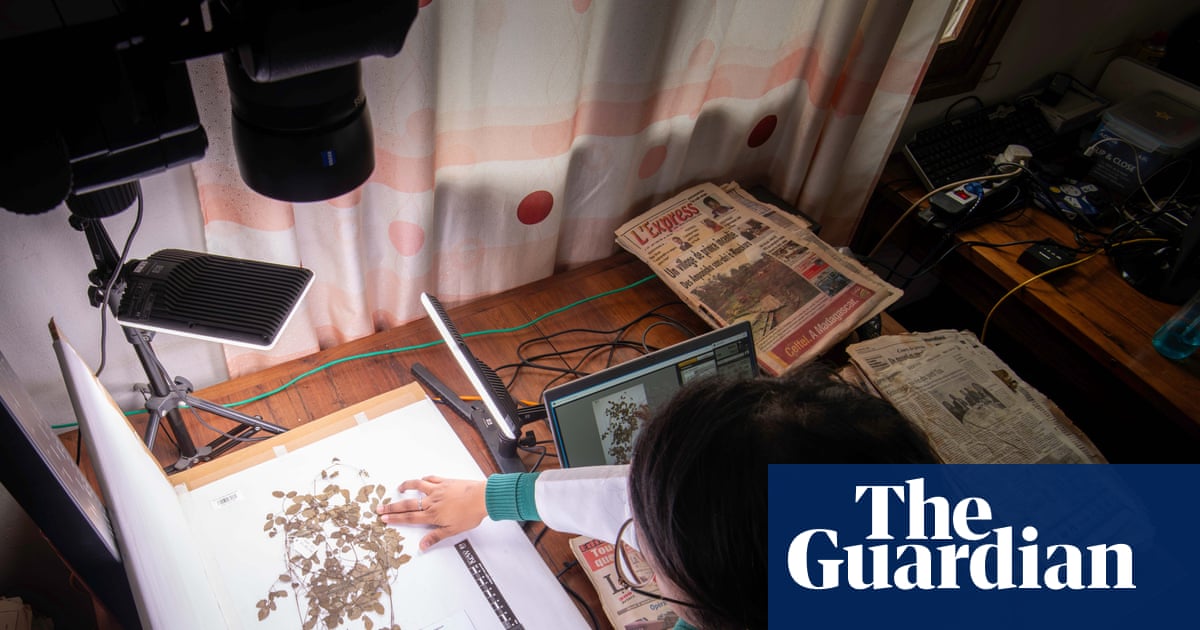
When Landy Rajaovelona carefully scanned a 150-year-old orchid specimen from Madagascar into a digital archive, she wasn’t just preserving history—she was unlocking a future where unseen plant species might be saved from extinction before they’re even named. At Royal Botanic Gardens, Kew, a quiet revolution is unfolding: 7.4 million plant and fungal specimens, including those collected by Charles Darwin, have been digitized and made freely available online, forming a global lifeline for biodiversity science. With about 40% of the 70,000 assessed plant species facing extinction and an estimated 100,000 still awaiting scientific description, time is running out. But AI and digitization are accelerating the race like never before. Scientists are now using artificial intelligence to identify elusive species such as microscopic sedges and peat mosses—tasks once reserved for elite specialists. In some cases, AI models outperform human experts, spotting rare or vulnerable plants faster and more accurately. One global AI study analyzed 8 million digitized specimens and revealed a startling shift: flowering times have changed by an average of 2.5 days per decade over the past 100 years, disrupting delicate ecological relationships between plants and their pollinators. In India’s Western Ghats, synchronized flowering of kindal trees—vital for timber—has collapsed from 80% to less than half since the 1990s. Meanwhile, genetic breakthroughs are turning century-old fungal specimens into a “genomic goldmine.” Researchers have extracted high-quality DNA from fungi as old as 180 years, opening doors to new medicines and better predictions of disease outbreaks—echoing the legacy of penicillin and statins, both born from fungi. The digitization of 37,000 specimens in Madagascar has already revealed new insights into one of Earth’s richest biodiversity hotspots, while globally, 145 million digital records are now accessible—though this represents less than 16% of the total held in herbaria, leaving vast knowledge gaps. As climate change reshapes ecosystems and fungal pathogens spread into warming regions, the urgency grows. Yet, as Prof Alexandre Antonelli of RBG Kew puts it, the fusion of technology and tradition is turning despair into hope. Every high-resolution scan, every AI-trained model, brings science one step closer to discovering and protecting the unknown life that still sustains us.
← News
Conservation Wins Conservation Wins Planet
AI could help win ‘race against extinction’ of vital plants, say botanists
40% % Plant species at risk
90% % Fungi species unknown
2.5 days/decade Flowering shift
2.5 Days/Decade flowering shift
330,000 species yet to be analyzed