At the University of Cambridge, researchers have engineered an artificial intelligence system that does something vaccines have never done before: design a single jab to protect against entire families of viruses, not just the specific strains circulating right now. The breakthrough hinges on machine learning that analyzes decades of genetic data to identify what all coronaviruses—past, present, and future—absolutely need to survive, then targets those unchangeable vulnerabilities.
The stakes for this innovation could hardly be higher. Traditional vaccines respond to viruses after outbreaks have already begun, chasing variants as they emerge. That reactive approach has meant lockdowns, shuttered economies, and millions of lives disrupted. A "super-antigen" that prevents pandemics before they begin could rewrite pandemic preparedness entirely, as researchers believe it would protect people from mutations that haven't yet occurred.
The Cambridge team, working with biotechnology company DIOSynVax, calls this vaccine the universal Sarbeco coronavirus vaccine. Rather than drawing antigens from a single strain of coronavirus as existing vaccines do, it synthesizes genetic sequences from coronaviruses logged by surveillance programs worldwide. Machine learning combs through all available data—from past outbreaks in animals and humans, from dormant viruses carried by bats—and asks a deceptively simple question: what features remain consistent, unchanging, and essential across the entire coronavirus family? Those are the targets.
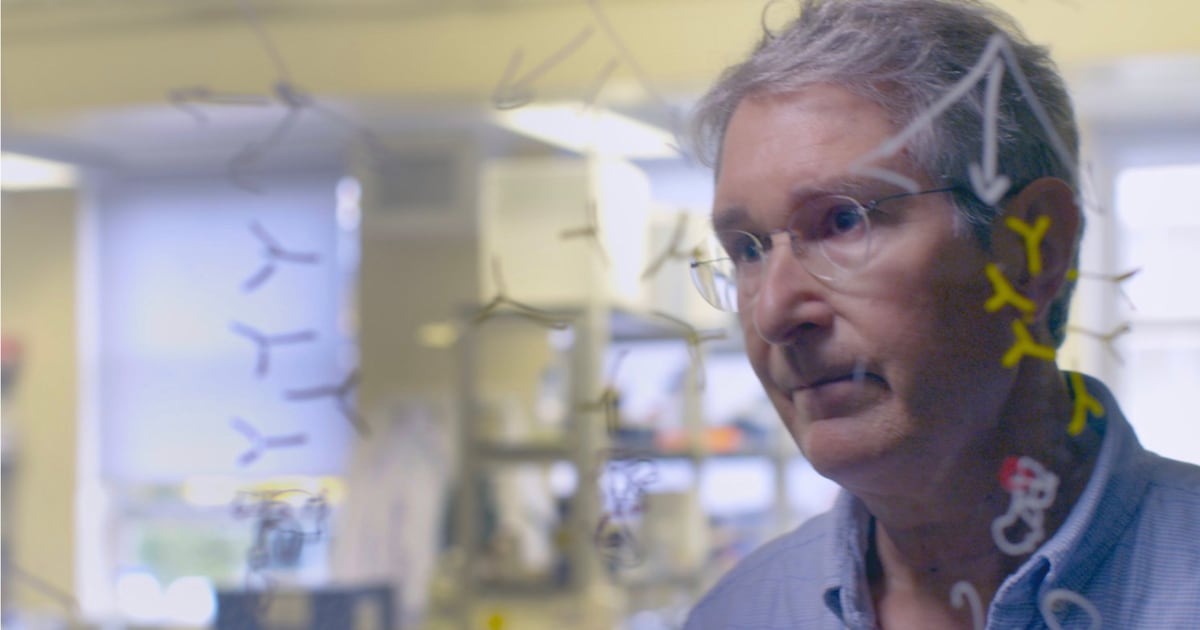
"What that Covid pandemic taught us is how fast we can make vaccines, but we're still using the old paradigm," said Prof Jonathan Heeney of Cambridge's department of veterinary medicine. "This is about making one vaccine that will get them all based on their relationships." His team gathered all available genomic sequences, applied structural science to identify what is essential for viral survival, and built a vaccine against that invariant architecture. Because the vaccine targets something viruses cannot easily change without ceasing to function, it promises durability across variants.
The first clinical trial, published in the Journal of Infection, enrolled 49 healthy volunteers aged 18 to 50 in Cambridge and Southampton. The vaccine was delivered via a needle-free microfluid jet—a high-pressure stream of liquid that pushes vaccine blueprints directly into skin cells. The jab proved safe and triggered immune responses not only to Sars-CoV-2 but also to SARS and related viruses carried by bats that could potentially jump to humans. Animal studies showed similarly robust protection across a range of coronaviruses.
A second trial involving upwards of 200 people is now underway. Prof Heeney described the potential as a "game-changer" that could deliver vaccines "far better, broader, and give more robust protection." The same approach could provide broad protection against thousands of variants of viruses like Ebola, where recurring outbreaks continue to surprise researchers with new strains from the same family.
The technology could also reshape bird flu preparedness. Prof Heeney noted that avian influenza has spread across most continents, infiltrated the food chain—including American milk—and killed people across multiple continents. Different clades behave differently, but this technology could theoretically protect against all of them. "It's about making sure that our technology can get whatever is going to pop up," he said, "and to get ahead of that curve, instead of chasing it." For the first time, vaccine science may finally move from reacting to outbreaks to preventing the pandemics themselves.