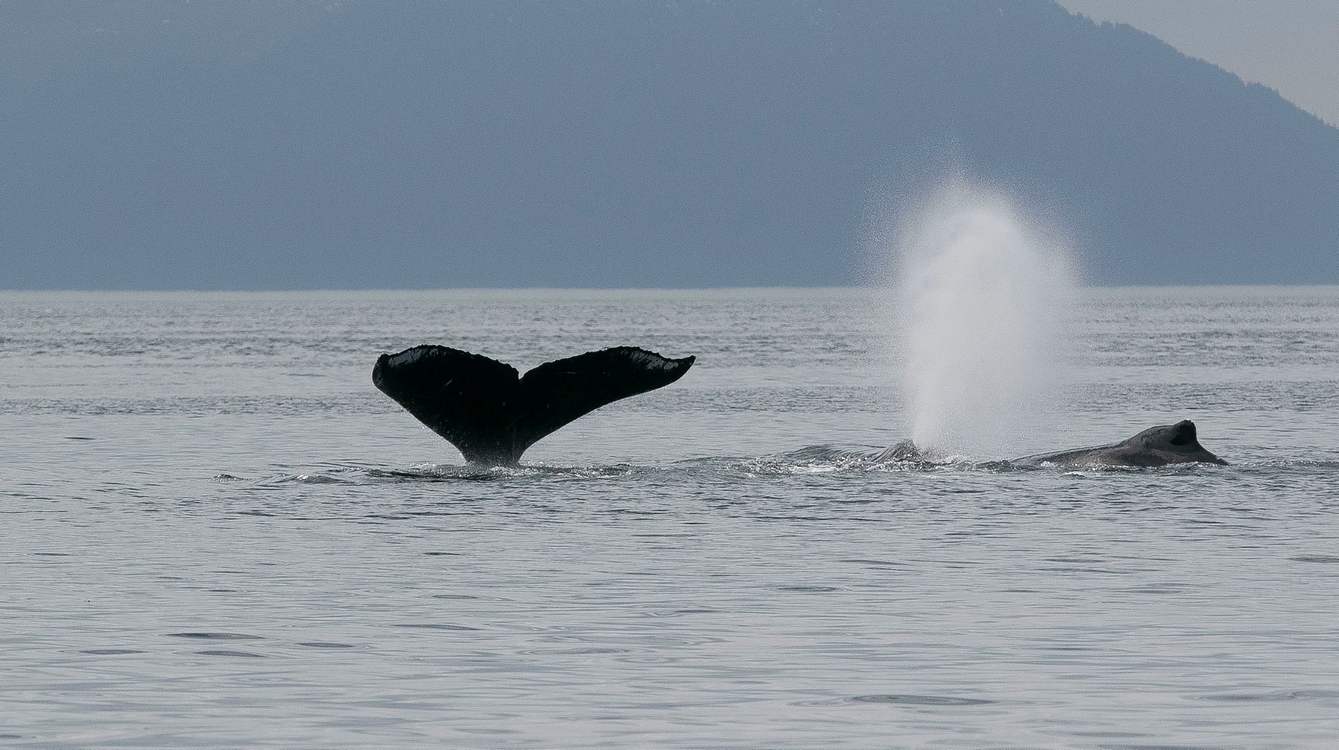
Scientists at California's Benioff Ocean Science Laboratory have deployed thermal-imaging AI devices across San Francisco Bay to spot grey whales before ships do. Within an hour of activation, the technology detected 180 distinct whale breaths—heat signatures rising from the cold ocean as the animals surfaced—signaling a promising new shield against one of the ocean's most persistent killers.
Ship strikes represent one of the largest causes of whale mortality worldwide, and sightings of grey whales in San Francisco Bay have been increasing. These medium-sized baleen whales, which can grow between 40 and 50 feet long, migrate through busy shipping lanes where traditional spotting methods often fail. The challenge is both urgent and solvable, according to Dr. Douglas McCauley, director of the Benioff Ocean Science Laboratory. "This is a problem we can solve right now," he told CBS News. "This new data and the community came around it can solve."
The solution, called Whale Spotter, works elegantly: heat-sensing cameras positioned around the bay capture the thermal signature of whale breaths—a warm plume against cold water—and instantly relay those locations to mariners through a digital map. The first device was installed on Angel Island, with a second placed on a routine transit ferry to Vallejo. When activated, the technology's speed was striking. "About an hour after plugging it in, we saw 180 blows," Dr. McCauley explained. "That's not 180 whales, but a handful of whales being active in the bay. It blows, it's a warm breath so the thermal sensing system sees the heat of the breath against the cold ocean."
What makes this approach remarkable is its immediacy. Unlike methods requiring human interpretation or delayed warnings, the AI-powered detection feeds directly into navigation systems that mariners can access in near real-time, allowing them to adjust course before approaching the animals. The technology capitalizes on something marine mammals cannot hide: body heat. Even in the dense traffic of a major shipping hub, a whale's breath becomes visible to thermal sensors, translating into actionable intelligence for vessel operators.
The Benioff Laboratory expects to have data on effectiveness within a few months—a critical timeline given the stakes. Not every innovation for preventing ship strikes succeeds; the ongoing need to develop new detection and deterrence methods underscores how challenging the problem remains. Yet this deployment joins a growing global toolkit. Powerful imaging satellites now monitor whale populations in the North Atlantic, while a network of three buoys in the Mediterranean alerts ships to sperm whale vocalizations, giving mariners advance notice of their presence.
What distinguishes Whale Spotter is its precision and speed. By harnessing AI to read the ocean's thermal signatures, scientists have transformed invisible whale breaths into visible waypoints on a mariner's screen. The approach respects the realities of modern shipping—acknowledging that the bay is shared space—while providing a concrete, scalable tool to reduce mortality. As grey whales continue their migrations through San Francisco Bay, this technology offers them a new form of protection: not barriers or restrictions, but awareness, delivered at the speed of light.