When Dr. Mohanad Alkhodari reviewed the health records of a 58-year-old patient with only mildly elevated blood pressure, the numbers didn’t tell the full story—MRI scans revealed subtle but significant brain changes, a weakened heart, and early kidney strain. This patient, like thousands of others, was silently accumulating organ damage long before any major cardiovascular event, a hidden toll now being uncovered by an AI tool called HyperScore developed at the University of Oxford. Published in Circulation, the study analyzed data from 27,146 participants in the UK Biobank and validated findings in 5,500 more from the U.S.-based Atherosclerosis Risk in Communities study, revealing that high blood pressure doesn’t affect everyone the same way. Instead, the team identified six distinct patterns—what they call "HyperTrajectories"—of organ damage, ranging from predominant heart and vascular changes to metabolic, kidney, and brain impacts. These patterns emerged only when researchers combined hundreds of clinical and imaging measures, from liver function to lung capacity, using advanced machine learning. The result? A single metric—HyperScore—that quantifies the cumulative, multi-organ burden of hypertension, often invisible to traditional blood pressure monitoring alone.
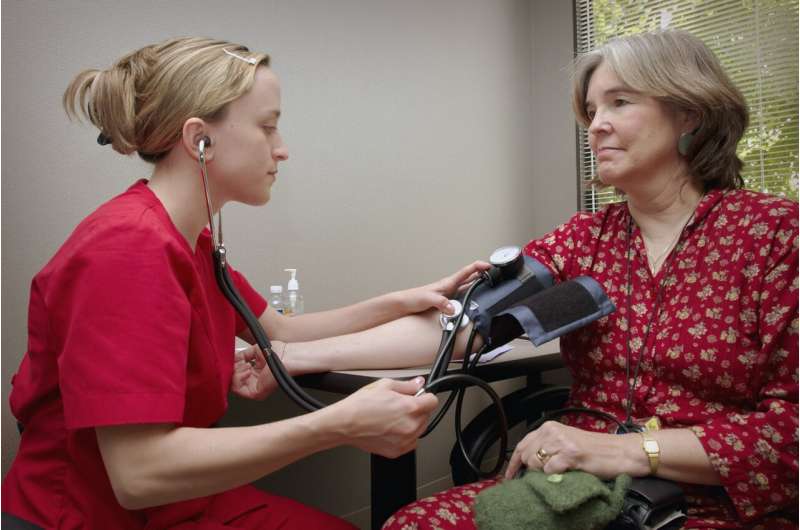
This matters because, for decades, hypertension management has relied almost entirely on a single number: the sphygmomanometer reading. Yet as the Oxford team shows, two people with identical blood pressure levels can have vastly different risks. Those with higher HyperScores were significantly more likely to experience heart attacks, strokes, or heart failure down the line—even when their blood pressure didn’t classify them as high-risk. Brain changes, in particular, stood out: MRI-detected alterations were among the strongest predictors of future damage, reinforcing the idea that hypertension silently reshapes the brain years before symptoms like memory loss or stroke appear. "This reinforces growing evidence that high blood pressure can affect the brain long before symptoms appear," said Dr. Winok Lapidaire, co-first author. The ultimate goal isn’t just earlier detection, but personalized care—matching treatments to a person’s unique organ-damage pattern. While HyperScore isn’t ready for clinics yet, the researchers believe simpler tools like ECGs or routine blood tests could one day approximate its insights without expensive imaging. As Jill Jones of the MRC noted, this work marks a meaningful step toward catching disease earlier and tailoring interventions. For millions living with hypertension, the future of care may not be a number on a cuff—but a holistic map of the body’s silent struggle.