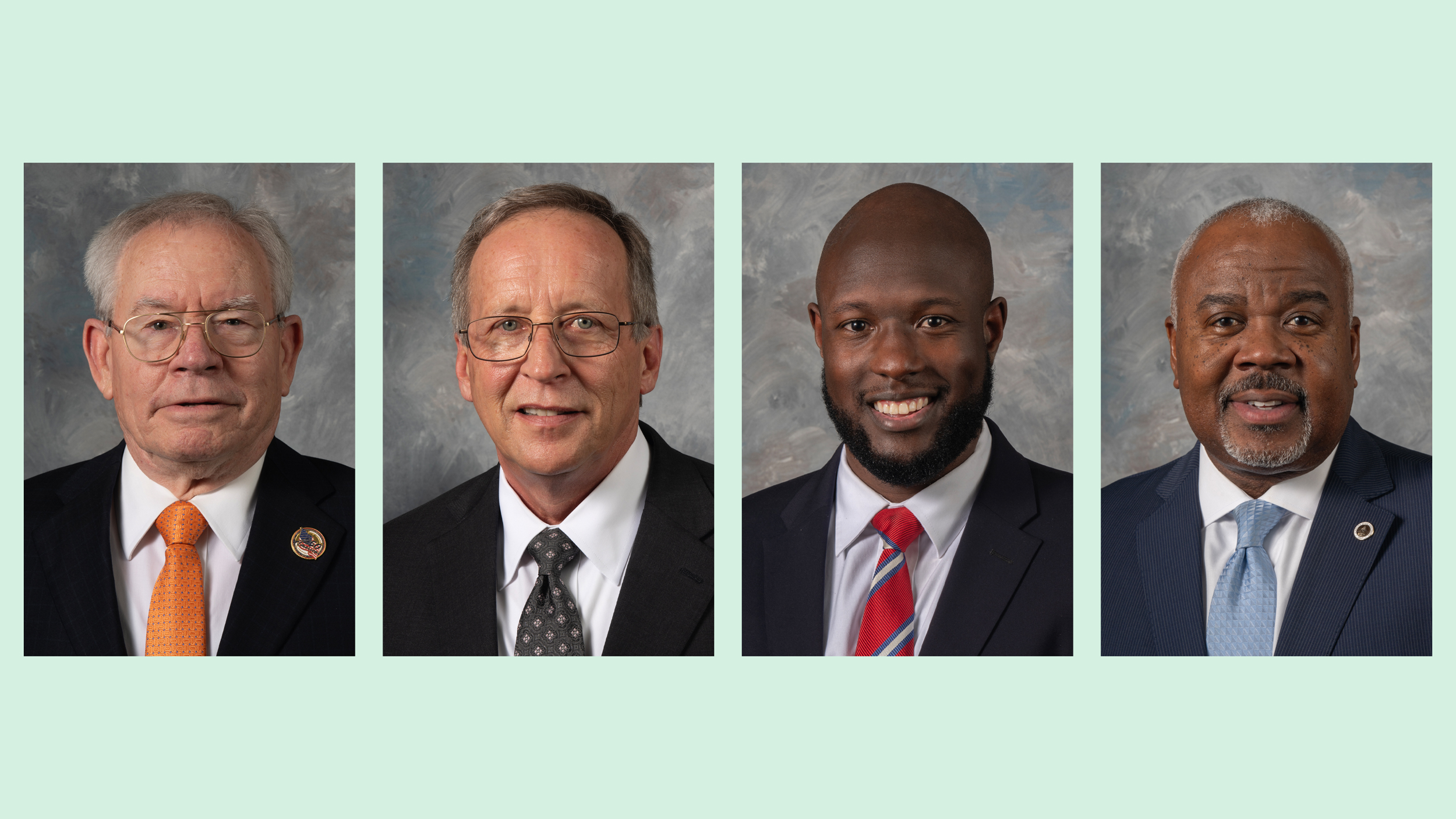
Quinton Ross, the president of Alabama State University, was in his Montgomery office reviewing budget reports when he learned he’d been named to the state’s Public Service Commission—a body that, in its 145-year history, had never seated a Black commissioner. That will change in January, when Ross and attorney Demarcus Joiner take office, marking a quiet but profound shift in a state long shaped by racial inequity. Governor Kay Ivey’s appointment of four new commissioners, including these two historic firsts, arrives at a critical moment: Alabamians are paying the highest residential electric bills of any major utility in the country, and frustration with Alabama Power’s rising rates has boiled over into the political arena. The new law expanding the PSC from three to seven members—appointed by congressional district starting in 2027—reflects a broader push for accountability and representation in a system long criticized for opacity and entrenched power.
The timing is significant. Both incumbent commissioners Jeremy Oden and Chris Beeker III lost their Republican primary bids this year, casualties of voter anger over energy costs. Meanwhile, data centers—energy-intensive and growing in number—are straining the grid and raising concerns about who bears the cost. The PSC, which approves utility rate hikes and sets profit margins, now faces heightened scrutiny. The new appointees bring varied expertise: retired Army General Ron Burgess, with decades in military intelligence; Fred Johnson, a seasoned telecommunications executive; Joiner, a civil rights attorney; and Ross, an educator and former state legislator. Their diverse backgrounds are not just symbolic—they may reshape how the commission weighs equity, infrastructure, and consumer protection.
Still, the new commissioners will share power differently. The 2025 state law not only expands the PSC but also creates a cabinet-level secretary of energy, appointed by the governor, who will set the commission’s agenda and hold veto power over key decisions—reversible only by a five-vote supermajority. This dilution of individual commissioner authority underscores the political complexity of reform. Yet, for many, the symbolism remains powerful. Ronald Ali, president of the Alabama State Conference of the NAACP, said he was standing among Confederate grave markers in Mobile when he got the call about the appointments. "This displays a hope for Alabama and for America," he said. As the state prepares for staggered elections beginning in 2028, with Johnson and Joiner up first, the commission’s evolution may signal a broader transformation—one where representation, oversight, and energy justice begin to align.