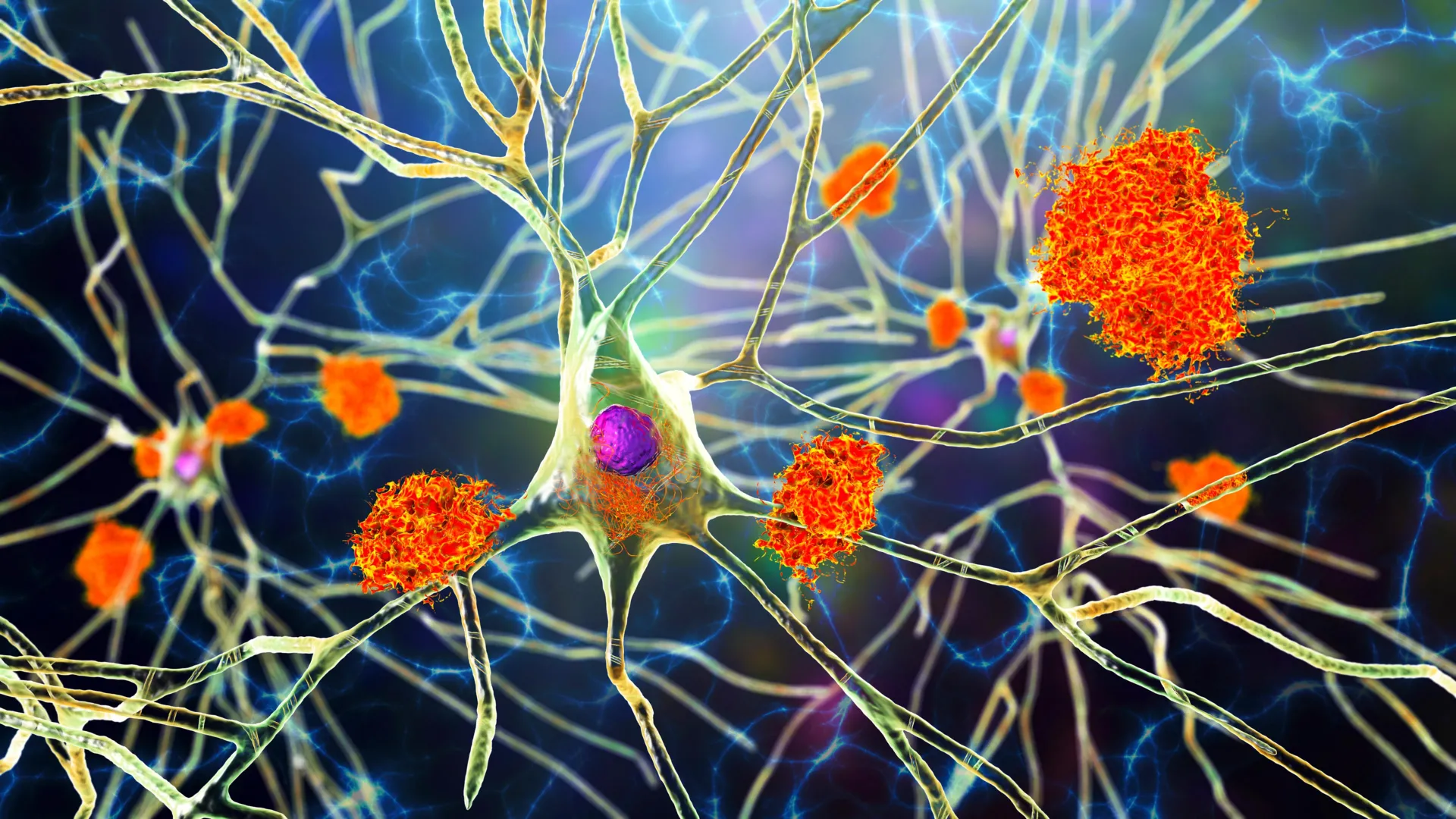
In Charlottesville, Virginia, researchers have found that a little-known gene may help the brain’s immune cells keep Alzheimer’s plaques under control. When the gene, CASS4, was disrupted in laboratory mice, the plaques grew faster and nearby brain cells were damaged.
The finding offers a closer look at how the brain’s defenses may affect Alzheimer’s disease. More than 6 million Americans are living with the condition, which gradually harms memory and thinking. Two changes often seen in affected brains are sticky amyloid-beta plaques, which collect between nerve cells, and twisted tau protein tangles. Scientists are also studying the role of microglia, immune cells that patrol the brain and manage harmful material.
Microglia can respond to amyloid-beta plaques by surrounding them and packing them into tighter deposits. This containment may limit harm to nearby tissue. The UVA Health team found that CASS4 helps regulate this protective response. When the gene’s activity was disrupted in mice, microglia were less able to react to plaques or contain them. The deposits accumulated more rapidly, nearby neurons were damaged, and the animals’ cognitive function worsened.
The work was led by John Lukens, PhD, director of UVA’s Harrison Family Translational Research Center in Alzheimer’s and Neurodegenerative Diseases. CASS4 had already been linked in earlier studies to increased Alzheimer’s risk, but its role in the brain was not well understood. Addie Walsh, a UVA physiology graduate student and the paper’s first author, said the research helps fill that gap by showing how the gene may help microglia respond to amyloid pathology.
The researchers also found that losing CASS4 changed the activity of other genes. Those wider effects could offer clues about biological processes in other neurodegenerative diseases, which gradually damage nerve cells. Another surprise was that CASS4 appears to act mainly through the brain’s immune system, rather than primarily through neurons, the cells that carry signals through the brain.
That shift in focus could matter for future research. Treatments for Alzheimer’s might not need to focus only on neurons or on the proteins that build up. Strategies that support microglia, or strengthen CASS4’s function, could offer another path to investigate. Lukens said defective CASS4 activity might also prove useful as an early biomarker—a measurable sign of disease—though that possibility will need further study.
The findings come from laboratory mice, so they do not show that boosting CASS4 will prevent or treat Alzheimer’s in people. The UVA team is now exploring the gene’s possible role in other neurodegenerative disorders and developing ways to target it. For now, the research gives scientists a clearer view of one part of the brain’s cleanup system, and a new lead to test as they seek ways to slow the disease.