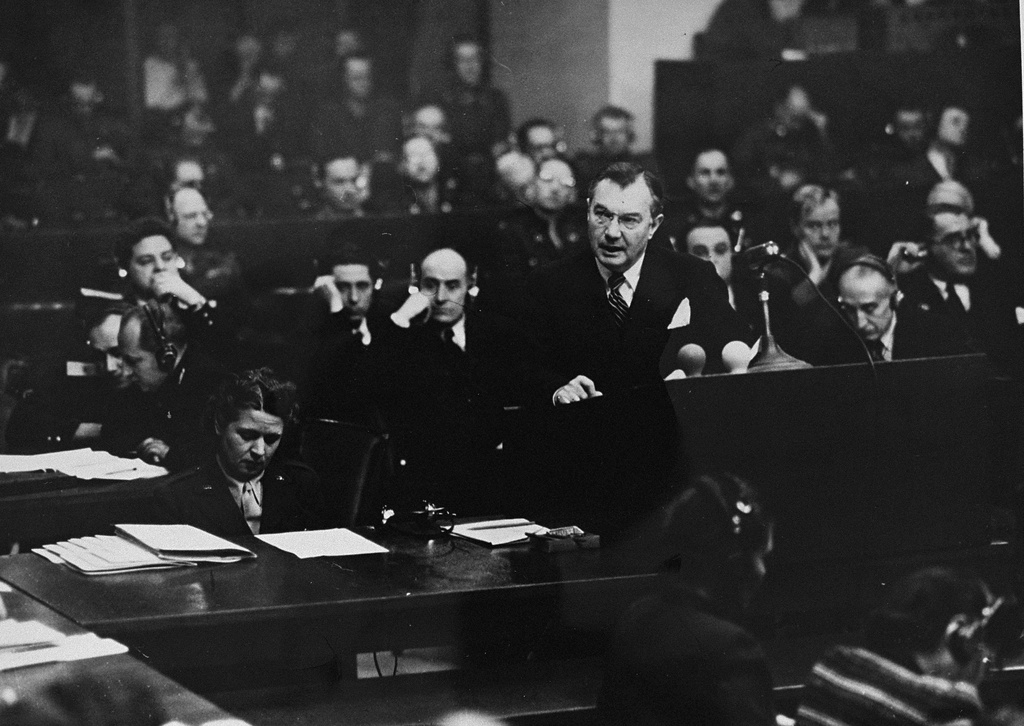
When President Truman faced the ruins of World War II, he helped build something intended to outlast the ashes: a system of humanitarian standards that would bind all nations, victor and vanquished alike, to the principle that civilians deserve protection even in the midst of war. The Geneva Conventions, refugee protections, and the architecture of international humanitarian law emerged from that rubble—a collective commitment that there were limits to what humanity should tolerate. Today, nearly 80 years later, the George W. Bush Presidential Center is sounding an urgent call to recommit to those hard-won norms, which are cracking under the weight of modern conflicts and shifting geopolitics.
From Sudan to Ukraine to Burma, the evidence is stark. Humanitarian organizations document a relentless erosion of protections that once seemed foundational: civilians are increasingly targeted deliberately, hospitals are bombed, aid workers are killed, and hospitals are routinely attacked with minimal international consequence. The United Nations has recorded a sharp rise in the killing of humanitarian personnel, transforming aid delivery into one of the world's most dangerous professions. The displacement crisis has reached catastrophic levels—the United Nations High Commissioner for Refugees reports that more than 120 million people worldwide are currently displaced by conflict, the highest number ever recorded. When siege tactics starve populations and propaganda floods the information landscape, the old guardrails seem to be failing.
The essay from the Bush Center identifies a constellation of reasons why these norms are under strain. Geopolitical realignment has paralyzed multilateral institutions; when strategic interests collide, the United Nations Security Council often reaches a standstill. Regional actors, prioritizing their own gains, remain silent. Technology compounds the crisis—not just through surveillance and cyberwarfare that international law cannot yet address, but through information warfare. While citizen journalists and social media can expose atrocities in real time, state and nonstate actors flood audiences with conspiracy theories and false narratives, breeding what the essay calls "moral numbness and disengagement."
Yet the essay refuses defeatism. Across conflict zones, people continue to defend humanitarian norms: doctors in Sudan operate underground hospitals; journalists document war crimes; investigators gather evidence for future prosecutions. Faith-based groups, refugee organizations, and local volunteers provide food, water, shelter, healthcare, and education long after headlines fade. Even amid polarization, democratic societies still openly debate these moral questions—a sign, the essay argues, of fundamental commitment to accountability.
The Bush Center proposes concrete steps: the United States should reestablish humanitarian diplomacy as a core strategic priority, integrating humanitarian access, civilian protection, and refugee support into national security frameworks across all conflicts and alliances. It calls for renewed commitment to accountability mechanisms, including the Global Magnitsky Act, which allows the U.S. to sanction foreign officials for gross human rights violations and corruption. Washington should provide tangible support for international investigations, sanctions targeting perpetrators, and evidence preservation efforts.
The underlying argument is this: American moral authority—built on "accountability and compassion"—works best when paired with clear national interest. The norms forged from the ashes of World War II were not charity; they were enlightened self-interest, a recognition that a world with standards is a safer world. Recommitting to them isn't nostalgia. It's a strategic necessity.