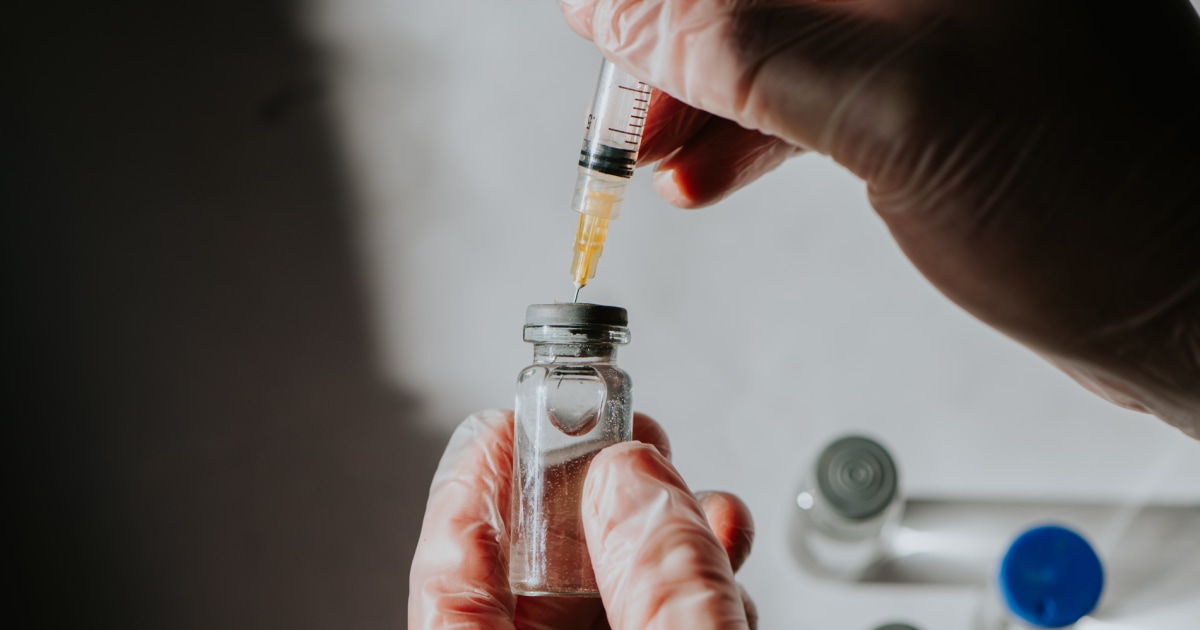
James Carter, a 34-year-old father of two from Columbus, Ohio, was part of a groundbreaking moment in medical science when he received one of the first doses of an experimental fentanyl vaccine last winter. He didn’t know it at the time, but his participation in the Phase 1 trial marked the beginning of a potential turning point in the nation’s battle against opioid addiction. Conducted by ARMR Sciences and announced in early 2024, the trial represents the first time a fentanyl-specific vaccine has been tested in humans—a milestone that could reshape how we approach overdose prevention. With fentanyl now the leading cause of death for Americans aged 18 to 49, according to the CDC, the stakes couldn’t be higher.
The vaccine works differently than traditional treatments. Instead of targeting the brain, it trains the immune system to recognize fentanyl molecules and block them from entering the central nervous system. This means the drug’s euphoric and life-threatening effects—respiratory depression chief among them—could be neutralized before they start. In the Phase 1 trial, 45 healthy adult volunteers received varying doses of the vaccine, and results showed that it was well-tolerated with no serious adverse events. More importantly, participants developed high levels of anti-fentanyl antibodies, the key markers scientists look for to confirm immune response. While the trial wasn’t designed to measure efficacy in real-world use, the immune response was strong and sustained, lasting up to four months after the final booster.
Dr. Elena Rodriguez, lead immunologist at ARMR Sciences, called the results "a foundational proof of concept." The team is already planning a larger Phase 2 trial that will include people with opioid use disorder, the population most at risk of fentanyl exposure. If those trials confirm the vaccine’s ability to prevent overdose, it could become a routine part of addiction treatment, alongside medications like buprenorphine and naloxone. Unlike naloxone, which reverses an overdose after it happens, the vaccine could stop it before it starts—offering a proactive shield rather than a last-minute rescue.
Still, researchers emphasize that the vaccine is not a cure for addiction. It doesn’t address cravings or the psychological aspects of substance use. But as a harm reduction tool, it holds immense promise. With over 70,000 fentanyl-related deaths in the U.S. in 2023 alone, even a partial reduction could save tens of thousands of lives. The next phase of testing, expected to launch by late 2025, will be critical in determining just how powerful that shield can be. For families who’ve lost loved ones to silent, sudden overdoses, the vaccine offers something rare in the opioid crisis: a glimpse of hope that prevention might one day outpace tragedy.