For the first time in more than half a century, India's coal-powered electricity stopped growing. The country added all the new power its people needed over two years — yet its power-plant emissions stayed completely flat. That stunning two-year plateau is the headline of a new Carbon Brief analysis of the first half of 2026, and it marks a quiet turning point for the world's most populous nation.
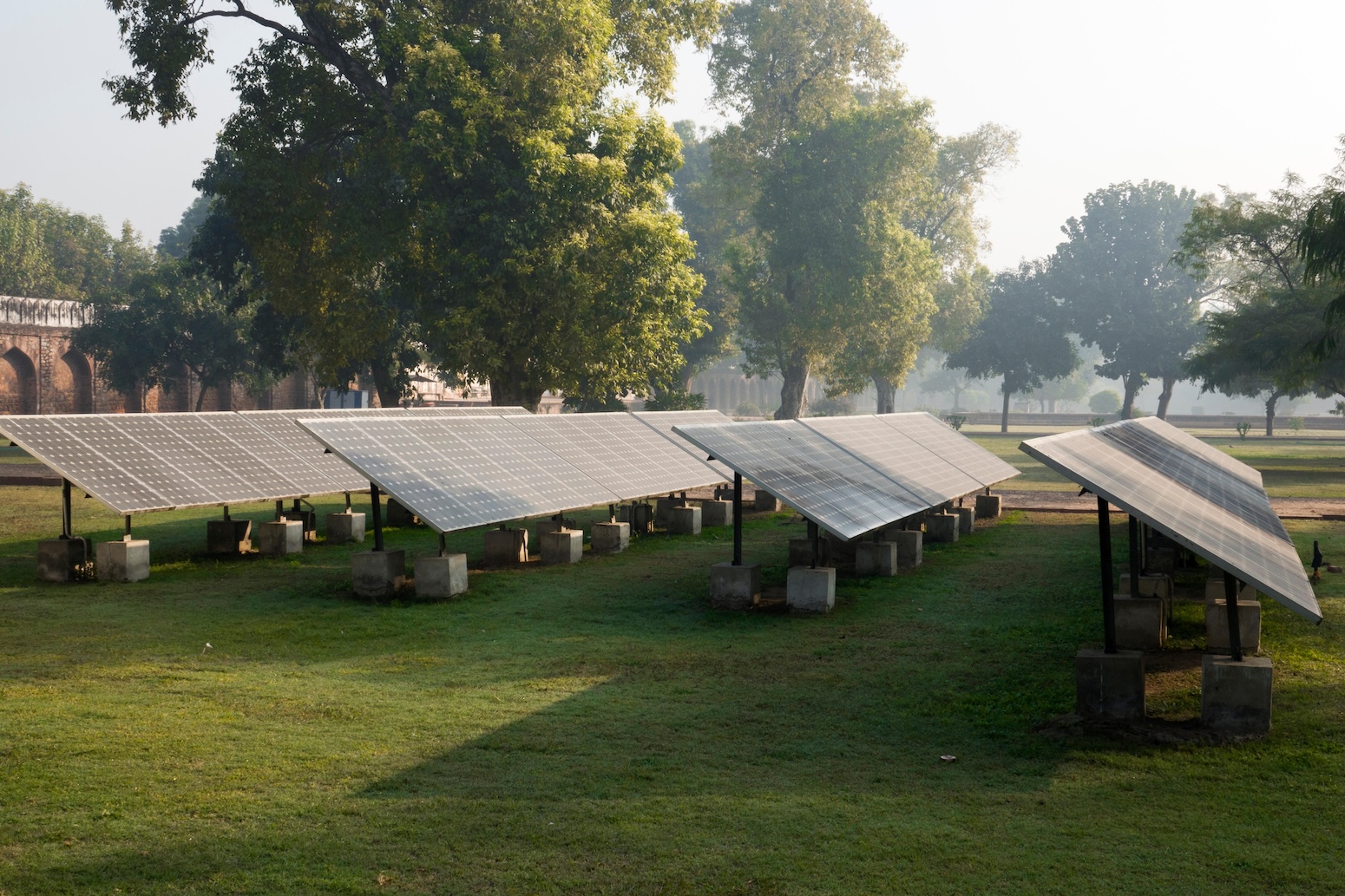
Here's what happened. Between the first half of 2024 and the same period in 2026, India's demand for electricity jumped by 7%. Clean energy met all of that extra need, adding 63 terawatt hours — enough electricity to power all of Switzerland or Singapore. Solar did the heavy lifting, with India installing 77 gigawatts of new capacity in just two years, covering around 60% of the entire rise in demand.
The result: power-sector CO2 emissions in early 2026 were the same as two years earlier, and coal power saw no growth over that stretch — something that hasn't happened in over 50 years, even as electricity use climbed. Meanwhile, oil and gas consumption fell for the second year running, a 7% drop that eased the strain from the Hormuz crisis.
But not everything stayed flat. Overall, India's emissions still crept up 3.7% in the first half of 2026 because of industry. Steel and cement plants are the big culprits, with emissions from those sectors rising 8% year-on-year and now making up nearly a quarter (23%) of India's total CO2. The challenge, analysts say, is that India lags behind most other big emerging economies in electrifying its factories — so polluting fuels still run many industrial processes.
There are real costs to the flatlining trend too. While fossil-fuel generation stagnated, builders still added 8.5 gigawatts of new coal plants, meaning those plants ran fewer hours and pushed up costs for electricity customers. And the fossil-fuel industry keeps pouring money into new coal capacity, coal-to-chemicals projects and domestic coking coal for steel.
To keep the momentum going, India will need to upgrade its power grid, rapidly build out energy storage, and make its coal plants more flexible. If it does, the clean-electricity wave could one day spill over into industry, letting renewable power replace fossil fuels in factories as well as in the power sector — offering a real path to cutting the nation's overall emissions.
For now, the story is hopeful but unfinished: India proved it can power a growing, energy-hungry nation without growing its power-sector pollution — now the question is whether it can electrify its heavy industry to match.