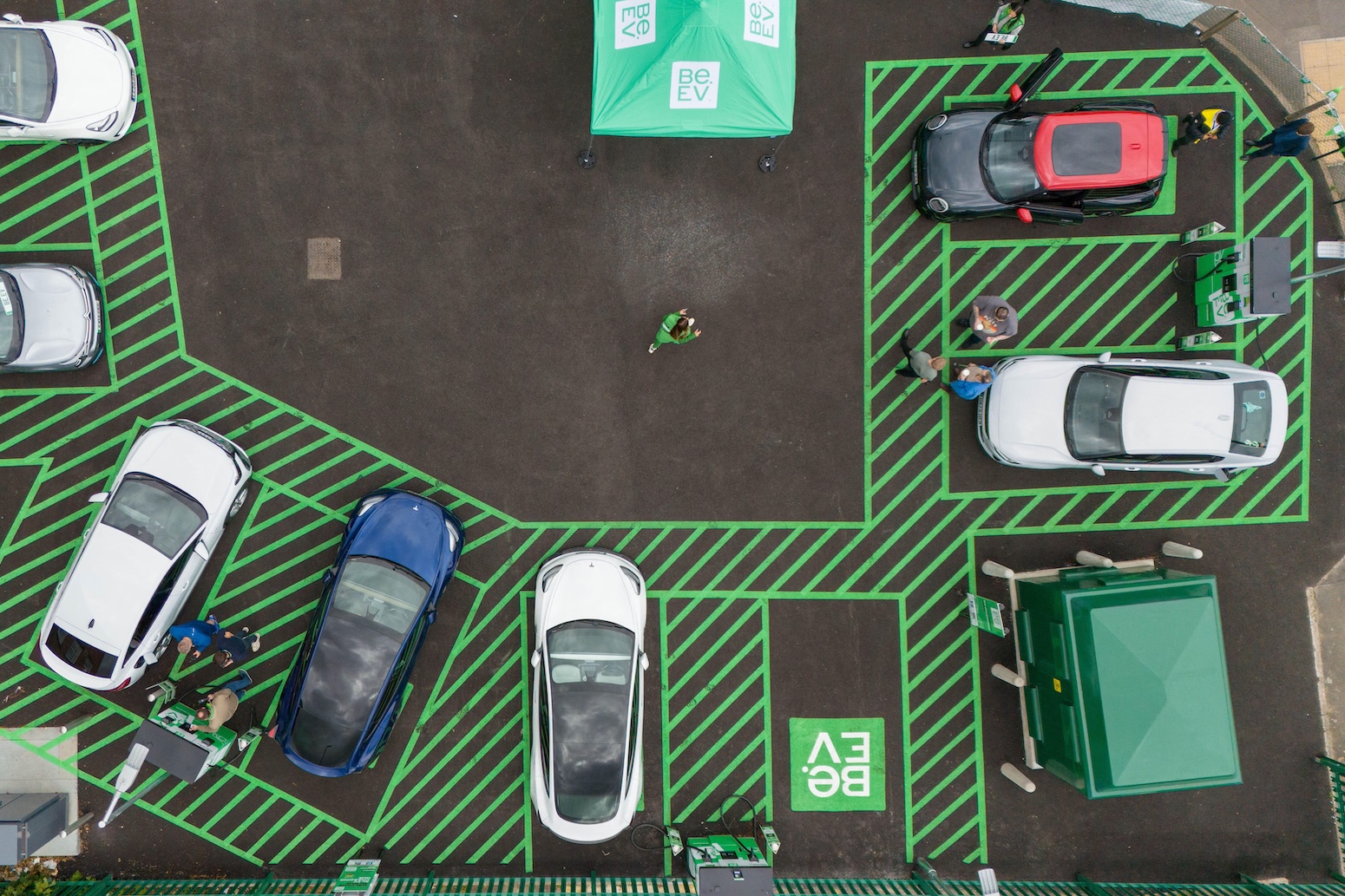
In May 2026, 43,931 Britons drove home in brand-new electric vehicles—battery-powered cars with green-striped numberplates humming quietly through city streets—marking another milestone in a quiet revolution at the nation’s forecourts. For the first time in UK history, electric vehicle sales have outpaced petrol car sales over a full 12-month period, with 516,490 new battery electric vehicles (BEVs) sold compared to 504,010 petrol models, according to a Carbon Brief analysis of European Automobile Manufacturers’ Association (ACEA) data. This shift isn’t just symbolic; it’s a signal that the country’s driving habits are undergoing a profound transformation, even as debates rage over the future of clean transport policy.
The milestone arrives amid heated discussions about the UK’s zero-emissions vehicle (ZEV) mandate, a policy requiring automakers to steadily increase the share of zero-emission vehicles in their sales. Some industry groups and unions argue that consumer demand isn’t strong enough to meet upcoming targets. Yet the data tells a different story—one of consistent, accelerating adoption. While hybrid vehicles remain the most popular category overall, their growth has plateaued, rising just 2% year-on-year in May 2026 to 56,321 units. In contrast, pure EV sales surged 34% in that same month, while petrol car sales fell by 14%.
Plug-in hybrids also saw strong growth, up 24% to 22,167 units, suggesting that drivers are increasingly comfortable with electrified technology. But it’s the pure battery EVs that are leading the charge, no longer niche curiosities but mainstream choices. The UK first saw a single month where EVs outsold petrol cars in December 2022, but now that trend has become the norm, sustained over a full year. This mirrors a broader European shift—just months earlier, in December 2025, the EU recorded more BEV sales than petrol car sales in a single month.
Globally, the momentum is undeniable. The International Energy Agency reports that EVs made up one in every four new cars sold worldwide in 2025, with sales growing 20% that year and projected to rise another 15% in 2026. In the UK, the green stripe on the numberplate is no longer a rarity—it’s a sign of a new normal. As charging infrastructure expands and models become more affordable, the transition is gaining self-reinforcing momentum. The road ahead isn’t without challenges, but the direction is clear: the electric era isn’t coming. It’s already here.