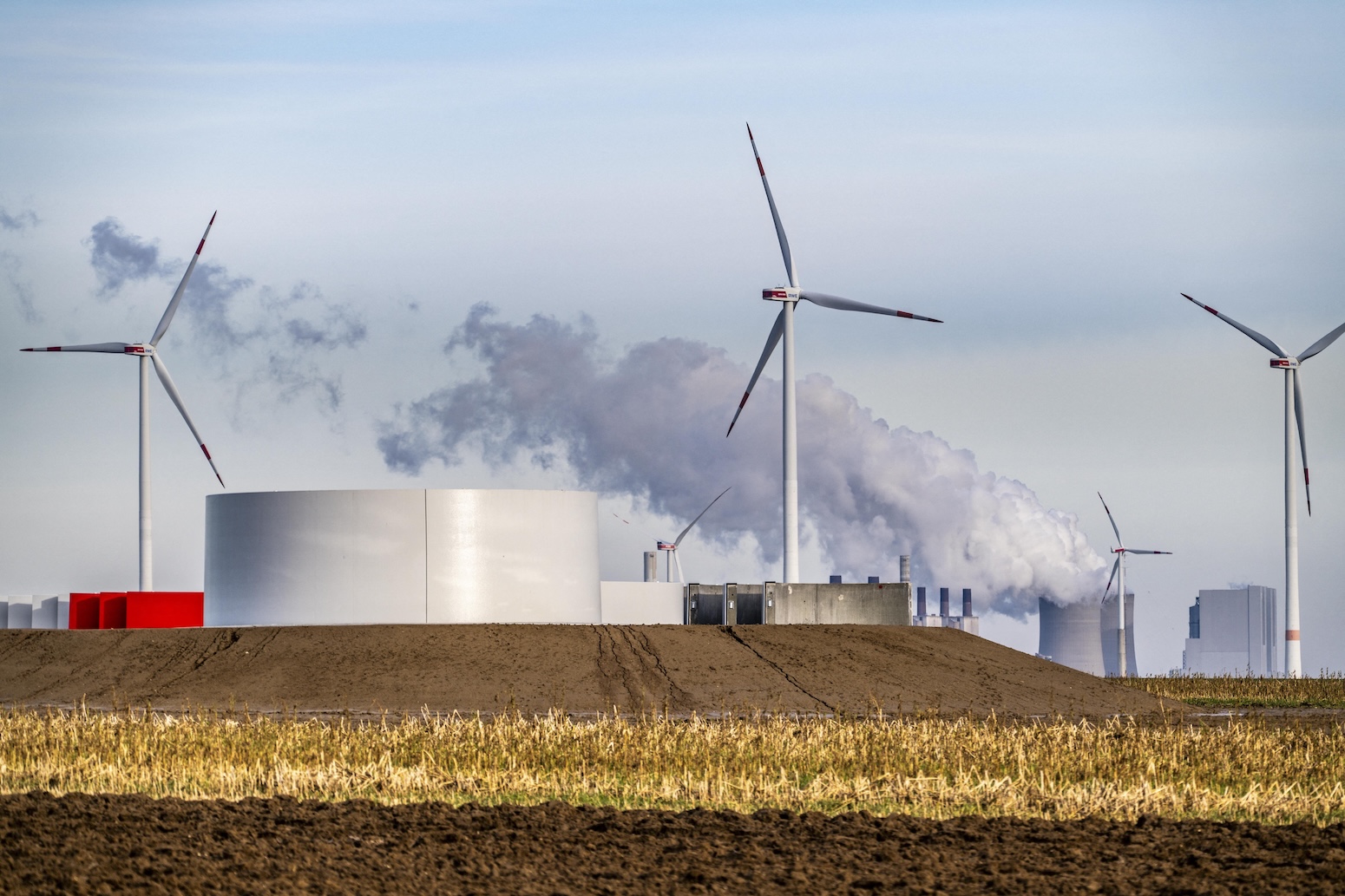
In 2025, Germany did something it had never done before: it generated more electricity from the sun and wind than from oil, gas, and coal combined.
Wind and solar farms produced 225 terawatt hours of electricity, making up 44% of Germany's total power. Fossil fuels — coal, natural gas, and oil — provided just 217 terawatt hours, or 43%. The gap may seem small, but it marks a turning point for a country that has spent two decades rebuilding its energy system.
Germany has been working on what it calls the "Energiewende," which means switching from fossil fuels and nuclear power to clean energy sources like wind and solar. The country shut down its last nuclear plants, even though current Chancellor Friedrich Merz recently called that decision a "strategic mistake." Despite this political debate, renewable energy has kept growing steadily.
Germany has set clear goals to keep moving forward. It wants 80% of its electricity to come from renewables by 2030, and it aims to cut all climate-warming emissions to zero by 2045. The nation also plans to stop burning coal by no later than 2038 — though experts say coal could disappear even sooner. To help keep the lights on while relying more on weather-dependent solar and wind, the government is building new gas power plants that can later be converted to run on clean hydrogen fuel.
The numbers show the effort is paying off. Germany approved a record 20.8 gigawatts of new onshore wind capacity in 2025 alone. Looking ahead, the country wants to reach 115 gigawatts of total onshore wind by 2030. Solar power has also grown enormously, reaching new heights during the hot summer of 2026.
Germany's success fits into a bigger trend across Europe. The entire European Union also saw wind and solar overtake fossil fuels for the first time in 2025. But Germany's path has been harder than some neighbors. France and the UK still have nuclear power plants that can provide steady electricity, while Germany chose to phase out nuclear entirely. That means Germany has had to lean even more heavily on wind and solar to meet its climate goals.
Not everything is smooth sailing. The government has proposed changes to the electricity grid that some renewable energy companies say could slow new projects. And the far-right Alternative for Germany party has opposed the clean energy shift. Still, with renewables now providing more power than fossil fuels for the first time, Germany appears to have reached a milestone that once seemed far off.