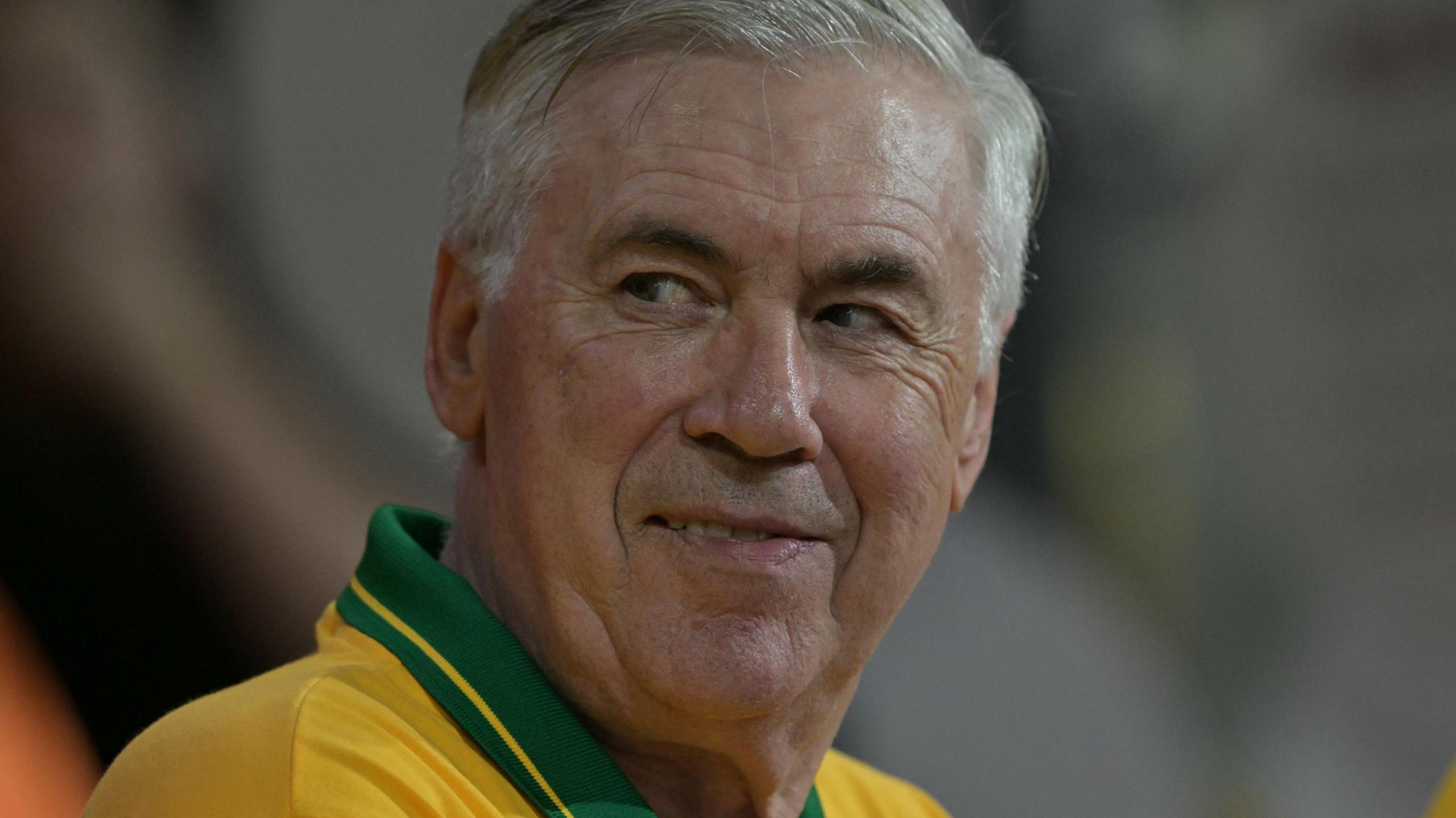
Carlo Ancelotti, the 66-year-old Italian manager who walked away from Real Madrid's throne last spring, has just committed to steering Brazil's football programme through to 2030—and he's doing it on the back of a mission accomplished. Less than a year into the role, Ancelotti has already guided the five-time World Cup champions through qualification for the 2026 tournament, which will unfold across Canada, Mexico, and the United States next month, signalling a fresh era of stability for a nation that lives and breathes football.
The move matters because Brazil's football journey over recent years has been marked by uncertainty. Managerial changes have been frequent, and the pressure to restore the Seleção to its former glory—unrelenting. Ancelotti's extension, announced after the CBF (Brazil Football Federation) and the coach reached an agreement, speaks to something deeper than tactics or qualification rounds: it's a statement about vision, trust, and the kind of long-term thinking that championship teams require.
"From the very first minute, I understood what football means to this country," Ancelotti said in his statement, speaking to the weight of expectation that comes with managing Brazil. "For the past year, we have been working to lead the Brazilian national team back to the very top of the world stage. But the CBF and I want more. More victories, more time, more work."
That commitment extends through the 2030 World Cup—a full four-year cycle that gives Ancelotti the runway he needs to build something durable. His appointment came in May 2025, and within months he had secured passage to the next World Cup, a concrete achievement that validated the federation's choice. For a nation where football is woven into the national identity, this kind of continuity is rare and valuable. It allows for player development, tactical evolution, and the trust-building that transforms squads into coherent units capable of contending for global honours.
Ancelotti arrives with considerable pedigree. His decades-long career includes triumph at Europe's biggest clubs—Real Madrid chief among them, where he spent more than two seasons before his departure last year. He brings a coaching philosophy honed across multiple continents, and an understanding of what it takes to win at the highest level. The fact that he chose to move from the Spanish capital to take on the Brazil job suggests he sees something compelling in the challenge itself, and in the talent within the national setup.
The timing of this extension is deliberate. With the 2026 World Cup now within reach and confirmed, Ancelotti can focus on the next phase: preparing the squad to actually win it. The tournament format is expanded, and Brazil, with their historical prowess and current roster, will be among the favourites. A manager with a four-year contract can think beyond the next six months, nurture young talent, and build incrementally toward a peak moment in 2030.
For Brazilian fans who have watched their team navigate choppy waters, the news offers something rare: the prospect of sustained excellence under a coach who understands both the beauty of the game and the weight of expectation. Ancelotti's words—"we will continue together for another four years"—carry the ring of a man ready for the long game.