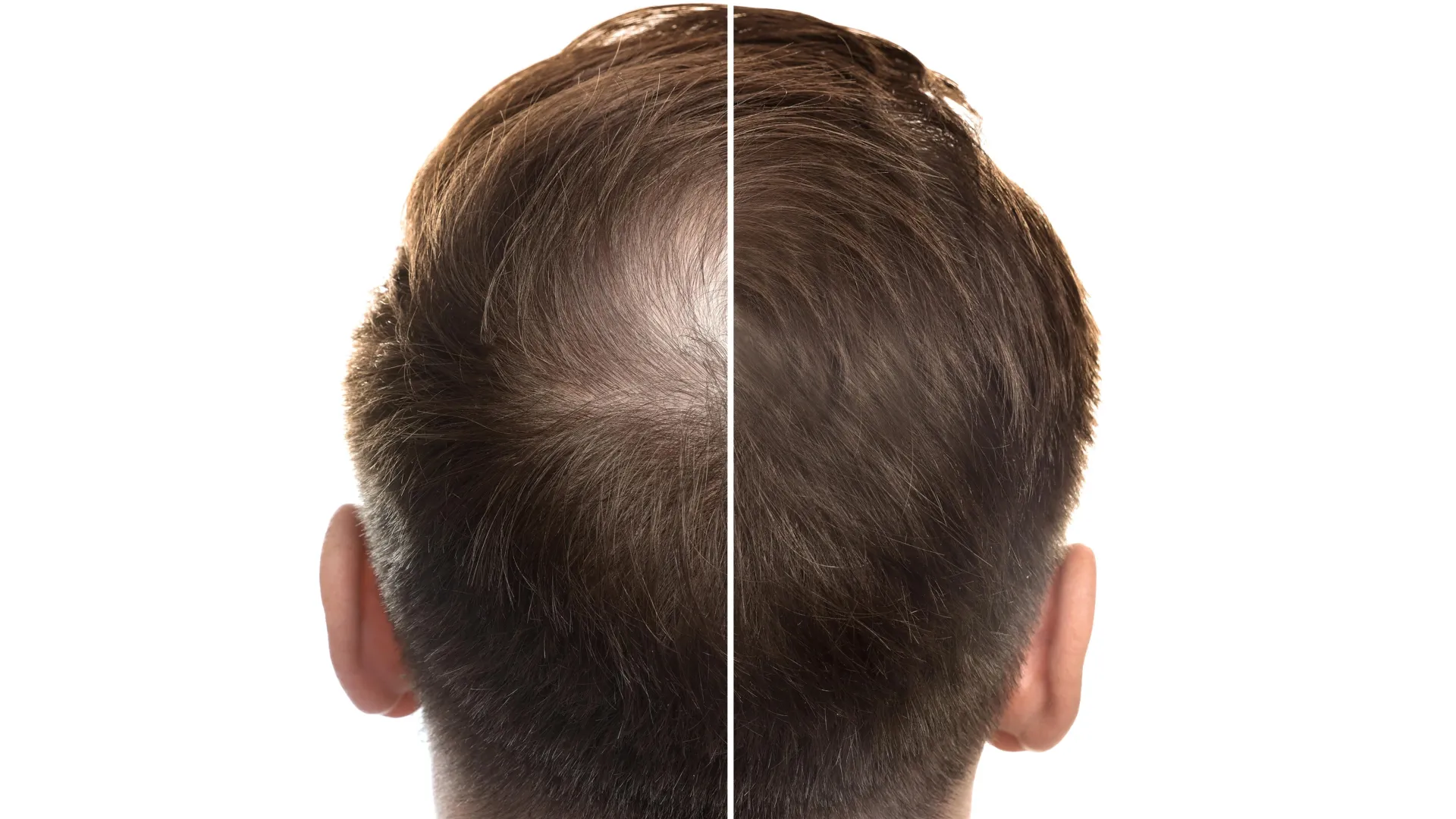
When Han Bixian and fellow researchers combed through a millennium of Chinese herbal medicine texts, they found something striking: ancient descriptions of how Polygonum multiflorum darkened hair and nourished vitality lined up remarkably well with what modern neurobiology now knows about hair growth. The discovery prompted a rigorous scientific review—recently published in the Journal of Holistic Integrative Pharmacy—suggesting that this traditional root deserves serious consideration as a treatment for androgenetic alopecia, the most common form of hair loss affecting millions worldwide.
The timing matters. Current medications like finasteride and minoxidil help some people, but they come with drawbacks. Finasteride can trigger sexual side effects, while minoxidil often irritates the scalp. Many people still seeking treatment worry about these trade-offs and continue hunting for safer, more natural alternatives. That's where Polygonum multiflorum steps in—not as folklore, but as something researchers now recognize might work through multiple biological channels at once.
What sets this herb apart from conventional treatments is its breadth. Rather than targeting a single mechanism, Polygonum multiflorum appears to work on several fronts simultaneously. In androgenetic alopecia, the hormone dihydrotestosterone gradually shrinks hair follicles, choking off robust hair production. The review found that this root may help reduce that hormone's impact, protecting follicles from one of pattern hair loss's primary drivers. But that's just the beginning. The herb may also prevent follicle cells from dying prematurely—critical because living, active cells are essential to the hair growth cycle. Beyond that, it may activate key regenerative pathways like Wnt and Shh, which control how cells grow, communicate, and repair tissue. In hair follicles specifically, these signals determine whether follicles slip into a resting phase or restart active growth.
There's another dimension too: circulation. By improving blood flow to the scalp, Polygonum multiflorum could deliver more oxygen and nutrients to follicles, creating an environment where healthier growth becomes possible. This breadth of action hints at something larger than most existing treatments offer—not just slowing loss, but actively supporting regrowth through multiple mechanisms simultaneously. For people who haven't responded well to conventional options, that distinction could matter enormously.
Han Bixian, the review's first author, captured the essence of what surprised the team: "What surprised us was how consistently historical texts—from the Tang Dynasty onward—described effects that align perfectly with today's understanding of hair biology. Modern studies now confirm that this isn't folklore; it's pharmacology."
The research didn't treat ancient records as proof on their own. Instead, scientists compared historical claims against modern biological findings, looking for genuine overlap. That methodical bridge between tradition and laboratory evidence is what gives the work credibility. The review examined laboratory research, clinical reports, and herbal documentation together, creating a more complete picture than any single source could provide.
One crucial caveat emerged: preparation matters greatly. In traditional Chinese medicine, Polygonum multiflorum undergoes processing before use—a step that affects both safety and biological activity. When properly processed, the herb shows a favorable safety profile, making it more appealing to patients wary of the side effects plaguing current medications. Natural doesn't automatically mean risk-free, and the researchers were careful to emphasize that preparation method, dose, and product quality all shape whether benefits materialize and safety holds.