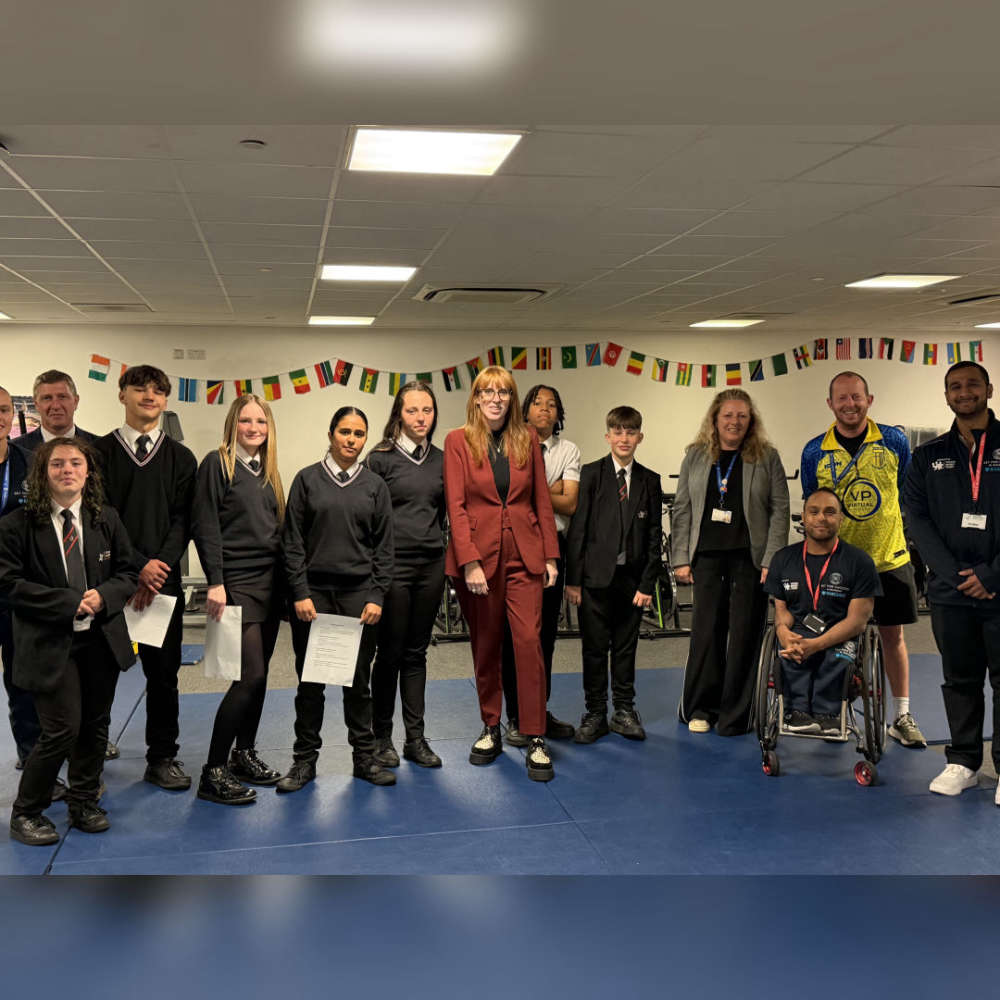
Eden Barnes OBE stood beside 15-year-old Aamina Khan in the bustling hall of Dixons Ashton Academy, where boxes stacked with tinned tomatoes, pasta, and cereal bore the labels of a student-led mission: 347 essential food items collected in one week for Cedar Park Food Bank. The haul wasn’t just a measure of generosity—it was proof of growth, confidence, and leadership sparked by the Set for Success programme, a youth initiative turning sport into social change in Ashton-under-Lyne.
This isn’t just about food parcels. With the Milburn Review warning that NEET (not in education, employment, or training) rates among young people could hit 1.25 million by the early 2030s, costing the UK an estimated £125 billion annually, interventions like Set for Success are becoming lifelines. At Dixons Ashton, students aren’t waiting to be rescued—they’re leading. Backed by the Wimbledon Foundation, Barclays, and the Youth Sport Trust, the programme pairs young people from underserved communities with athlete mentors like Ayaz Bhuta, Britain’s Paralympic wheelchair rugby star, who joined the visit to inspire resilience through lived experience.
The numbers tell a story of transformation. In the 2024/25 academic year, 92% of Set for Success participants improved in at least one core employability skill—communication, teamwork, or problem-solving. Three-quarters of teachers observed better school attendance among students in the programme, and 82% of pupils now understand how their skills can shape their futures. But the most striking figure comes from Sheffield Hallam University: every £1 invested in Set for Success generates £5.63 in social value within the first year. Over time, the programme is projected to boost participants’ chances of staying in education, training, or employment by 47%—a ripple effect that reshapes communities.
When Angela Rayner, MP for Ashton-under-Lyne, toured the school on June 5th, she didn’t just praise the food drive. She listened. Students spoke about newfound confidence, about leading teams, about planning careers they once thought out of reach. "It was brilliant to meet the pupils taking part in this wonderful project and hear how the sessions are helping to build their confidence and self-esteem," Rayner said. "I am delighted they have decided to collect items for a local food bank!"
Ali Oliver MBE, CEO of the Youth Sport Trust, sees this as evidence of sport’s deeper power: not just to entertain, but to rebuild. "Programmes such as Set for Success provide essential opportunities to build confidence, develop employability skills and strengthen engagement with school," she said. Paige Murphy, Head of the Wimbledon Foundation, put it simply: "When we invest in young people and surround them with the right support, they don’t just transform their own futures; they lift those around them too."
As the boxes were delivered to Cedar Park, Aamina smiled. "We didn’t just help others," she said. "We proved we can make a difference."
And in a town too often defined by headlines of struggle, that belief might be the most valuable donation of all.