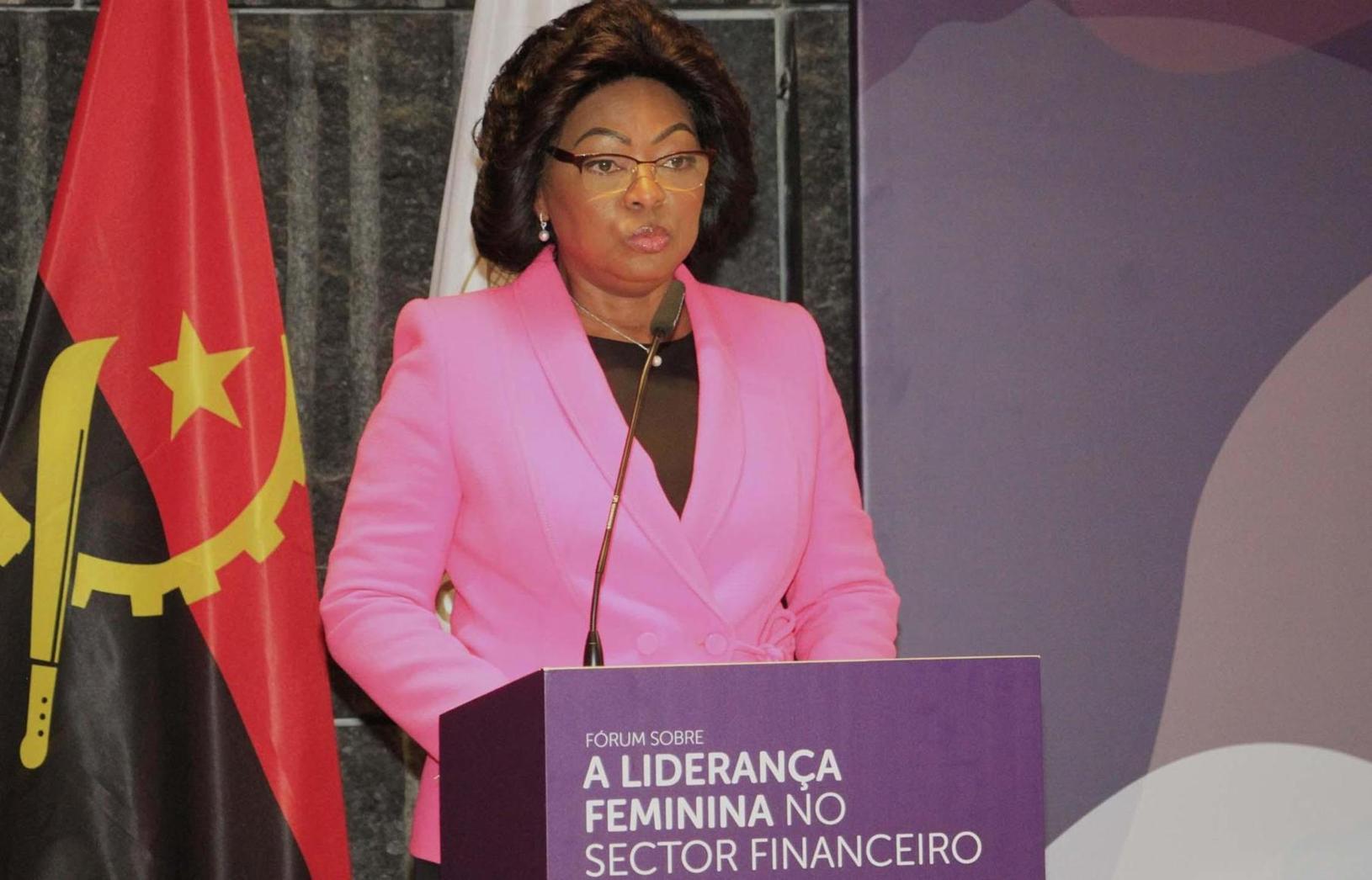
In Luanda, the capital of Angola, a quiet but powerful gathering took place that could reshape how Africa responds to some of its toughest challenges. Ana Dias Lourenço, Angola's First Lady, welcomed her counterparts from Equatorial Guinea and Côte d'Ivoire to launch a new continental campaign focused on protecting and empowering women and girls across the continent.
The campaign is called "Building Resilience for Women and Girls: Climate, Conflict, and Sustainable Futures." Its goal is straightforward but ambitious: help African countries better protect their most vulnerable people, especially women and girls, from the growing threats of climate change, armed conflict, and humanitarian crises.
"This new initiative sees Angola once again taking a leading role in promoting an African agenda focused on building resilience, peace, and inclusion," the organizers stated.
The event drew First Ladies from across Africa to Luanda. Constância Obiang from Equatorial Guinea and Dominique Ouattara from Côte d'Ivoire were the first to arrive. Leaders from nine more countries — Cabo Verde, the Democratic Republic of the Congo, Gabon, Mozambique, Sierra Leone, Namibia, Congo, Nigeria, and São Tomé and Príncipe — were expected to join them. Nardos Berhanu, Executive Secretary of the Organization of African First Ladies for Development (OAFLAD), also attended. Representatives from government, businesses, civil society groups, and local communities filled the rest of the room.
The campaign theme captured its purpose: "Building Resilience Means Ensuring Sustainability for the Future, with Inclusive Participation." Organizers want to build partnerships and take concrete action — not just hold discussions. They're looking to strengthen the capacity of African nations to address the real-life impacts that climate disasters, violence, and displacement have on women and girls every day.
This effort builds on a previous continental initiative called "We Are Equal," which focused on education for gender equality and fighting violence affecting children and young people. That campaign mobilized institutions, partners, and ordinary citizens around shared goals.
OAFLAD, the organization behind the launch, has deep roots in African development work. Established in 2004 (the article mentions 2002 in one place and 2004 in another — I should note I cannot verify which is correct, but I'll go with what the source states as 2002), it started as the Organization of African First Ladies against HIV/AIDS at a time when that epidemic was devastating communities across the continent. Over more than two decades, the group has expanded its mission to tackle a wider range of challenges facing women, youth, and children.
Ana Dias Lourenço leads this effort as Vice-President of OAFLAD. Through her role, Angola is positioning itself as a champion for gender equality, peace, and sustainable development across Africa. The hope is that by bringing together leaders from so many nations under one roof, the campaign will create momentum for real, lasting change — giving women and girls the tools and support they need to thrive no matter what challenges come their way.