Dr. Sean Heighton holds a vial no larger than a thumbprint, its contents invisible to the eye—yet within it lies the power to dismantle a global black market. Inside are degraded DNA fragments from seized pangolin scales, the key to a breakthrough that’s transforming the fight against wildlife trafficking. Using a novel gene-capture technique, French scientists have mapped the origins of trafficked pangolins with astonishing precision, sometimes narrowing their source to within just a few kilometers. This leap in forensic capability is not just scientific—it’s strategic, offering conservationists a way to target poaching hotspots and disrupt the networks fueling one of the world’s most ruthless illegal trades.
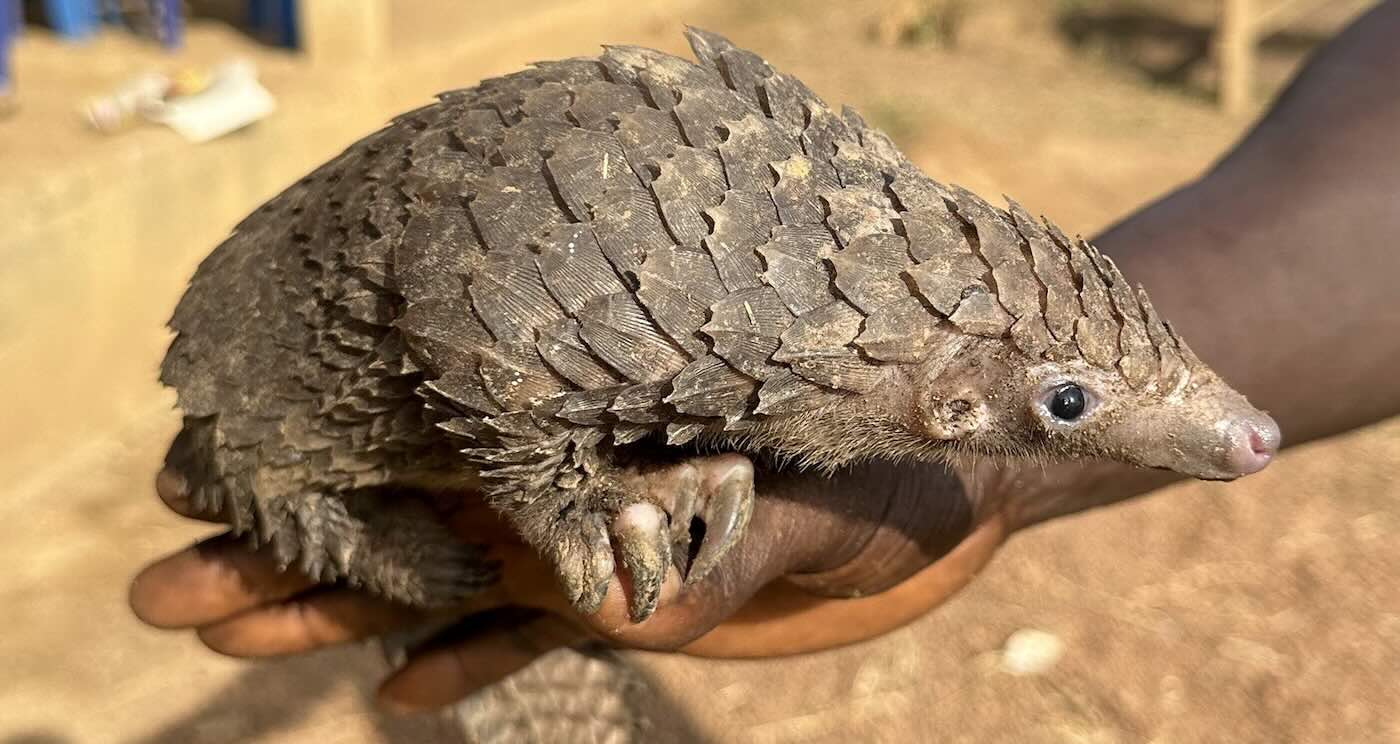
Pangolins, the only mammals entirely covered in scales, are also the most trafficked on Earth. They account for nearly one-third of all recorded international wildlife seizures, driven by demand for their scales in traditional medicine and their meat as a luxury delicacy. With females producing only one pup every one to two years, their populations can’t withstand the relentless pressure. But for years, efforts to trace their origins were stymied by poor-quality DNA from confiscated remains—until now.
Led by researchers at the University of Toulouse, the team analyzed over 700 pangolin samples—from bushmeat markets in Liberia, museum archives, seized shipments, and wild populations—spanning the Sunda, Chinese, and white-bellied species. By combining historical specimens with modern seizure data, they built a genomic reference map that reveals not only where poaching is most intense—such as in southwest Cameroon, Myanmar, and across Central Africa—but also how trade routes crisscross borders, linking local markets to international syndicates. Crucially, the study uncovered that domestic and international trades often draw from the same source regions, exposing a deeply interconnected supply chain.
The team’s development of a single gene-capture kit that works across all eight pangolin species—and on degraded DNA from decades-old museum samples—marks a turning point. It means forensic tracing is no longer limited by sample quality or species type, making it scalable for real-world enforcement. The findings, published in PLOS Biology, underscore the urgent need for a global, standardized DNA database to track wildlife trafficking, one that integrates data across borders and institutions.
"Integrating archival museum material with newly collected field and seizure samples enabled us to bridge long-standing gaps in geographic coverage and strengthen the accuracy of pangolin trade tracing," said Dr. Philippe Gaubert. This intelligence allows conservation efforts to shift from reactive to proactive—directing rangers, policy, and funding exactly where they’re needed most. As the world grapples with biodiversity loss, this fusion of old science and new technology offers a rare, tangible path forward: one where a tiny sample of DNA can help protect an entire species.