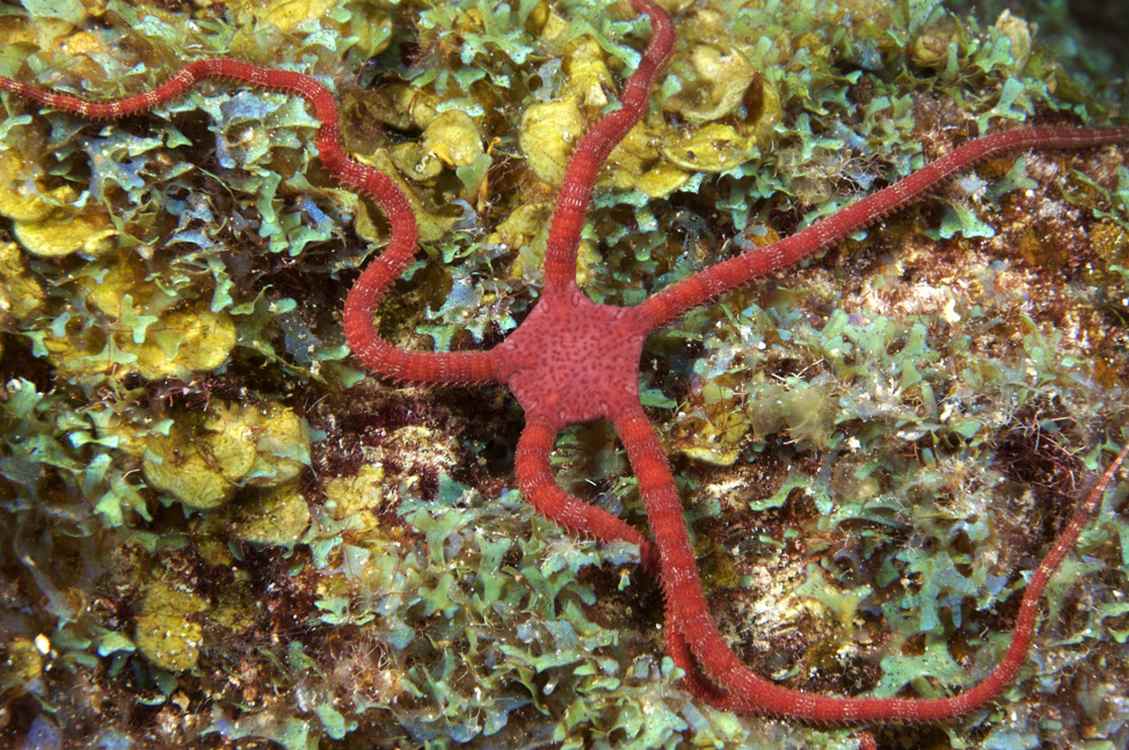
A decade of protection has transformed the South Arran Marine Protected Area into a haven where more than 1,500 species thrive on the seabed — invisible to most, but absolutely vital to ocean health. When Scotland banned bottom trawling and dredging in this offshore zone a hundred miles from Glasgow, few expected to see such a dramatic reversal. A recent survey by the Convex Seascape Survey team reveals the recovery: the protected waters now host twice as many species and three times the abundance of marine life compared to nearby fished areas.
These muddy ocean floors were once dismissed as barren wastelands. Fisheries managers saw nothing worth preserving; the public saw emptiness. But Dr. Ben Harris from the University of Exeter, who led the survey team, knows better. "These seabeds may appear empty, but they are anything but," he explains. The research shows that when given a chance, these neglected ecosystems can rewild themselves with surprising vigor.
What makes the South Arran discovery particularly significant is not just the sheer number of species recovered, but what they represent. The seabed is not a static desert—it is a working landscape of worms, brittle stars, sea cucumbers, and countless other creatures that engineer sediment stability and nutrient cycling. Every species recovered is a thread in an ecological web that supports fish populations, filters water, and maintains the structural integrity of the seafloor itself. Harris notes a crucial caveat, however: while the marine life bounced back with comparative speed, the carbon reserves trapped in the muddy depths—a critical part of the global carbon cycle—will take substantially longer to fully recover from years of trawling disturbance.
The implications stretch far beyond Arran's waters. Across European seas, only a fraction of the 17 percent of EU territorial waters designated as marine protected areas actually extend those protections down to the seabed where this recovery occurred. Most marine reserves guard the water column—protecting swimming fish, seabirds, and mammals—while allowing industrial trawlers to continue scraping and churning the bottom, destroying habitat and releasing stored carbon in the process. The South Arran survey is part of a growing body of evidence that bottom protection matters enormously, yet remains politically contentious because it directly restricts fishing operations.
Harris and his team hope their findings will catalyze broader adoption of seabed protection measures. The data is clear: ten years of no-trawl rules turned a degraded zone into a biodiversity hotspot. The slow recovery of carbon stocks reminds us that marine protection is not a quick fix, but rather a long-term commitment—exactly the kind of policy that environmental advocates have been calling for as ocean ecosystems face mounting pressures from climate change and industrial fishing.
For now, the South Arran Marine Protected Area stands as proof that when humans step back, the sea remembers how to heal. The question is whether other nations will learn the lesson before more seabeds are damaged beyond ready recovery.