For many families, the upfront cost of an electric car stays a big hurdle. What if you could buy the car without the battery — and just rent it instead? That’s the idea behind a new partnership in China that could make clean driving cheaper for millions of people.
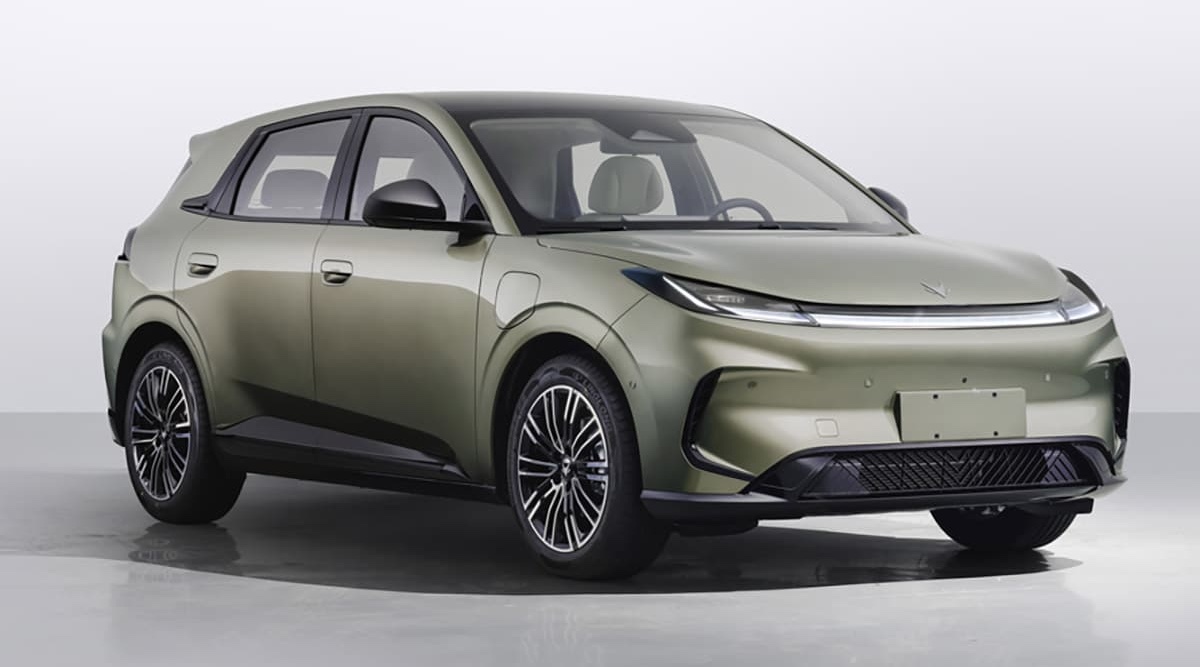
Arcfox, a small electric car brand under the BAIC Group, has teamed up with CATL — the world’s largest battery maker — to launch the Beta T1. The car’s entry-level price is just 62,800 yuan, equivalent to about $9,310. That’s roughly the cost of a used gasoline car in many countries, making it one of the most affordable electric vehicles on the market.
But the real story is what’s under the hood — or rather, what’s not included in that price. The Beta T1 comes with battery swapping technology, which means drivers don’t own the battery outright. Instead, they rent it. When the battery runs low, they drive to a swap station, and the depleted battery is replaced with a fully charged one in just minutes. No waiting hours for a charge.
Battery swapping has been around for years, mostly thanks to NIO, a Chinese luxury EV brand. But CATL, which already supplies batteries to countless carmakers worldwide, has been building its own swap network. The company has installed 2,000 of its Choco swap stations across 180 cities in China. Those stations use lithium iron phosphate batteries, a safer and cheaper chemistry than the nickel-based batteries found in many Western EVs.
The entry-level Beta T1 can travel 350 kilometers on a full charge — about 217 miles. A longer-range version may arrive later this year with up to 450 kilometers, or 280 miles. For daily commutes and errands, that covers what most drivers need.
The battery-leasing model could be a game-changer for buyers who are priced out of EVs today. Owning a battery can add thousands of dollars to an electric car’s cost. By renting it, customers pay a smaller monthly fee instead. The total cost over time depends on usage, but for families watching every yuan, the difference matters.
Whether the Beta T1 takes off remains to be seen. Battery swapping requires a network of stations, and CATL’s system is still growing. But with an unbeatable price and a massive battery partner behind it, this small car has the potential to bring clean transportation within reach for ordinary people — not just those who can afford luxury EVs.
For communities where air pollution from cars is a daily health concern, an affordable, swappable electric option could mark the beginning of real change on the roads.