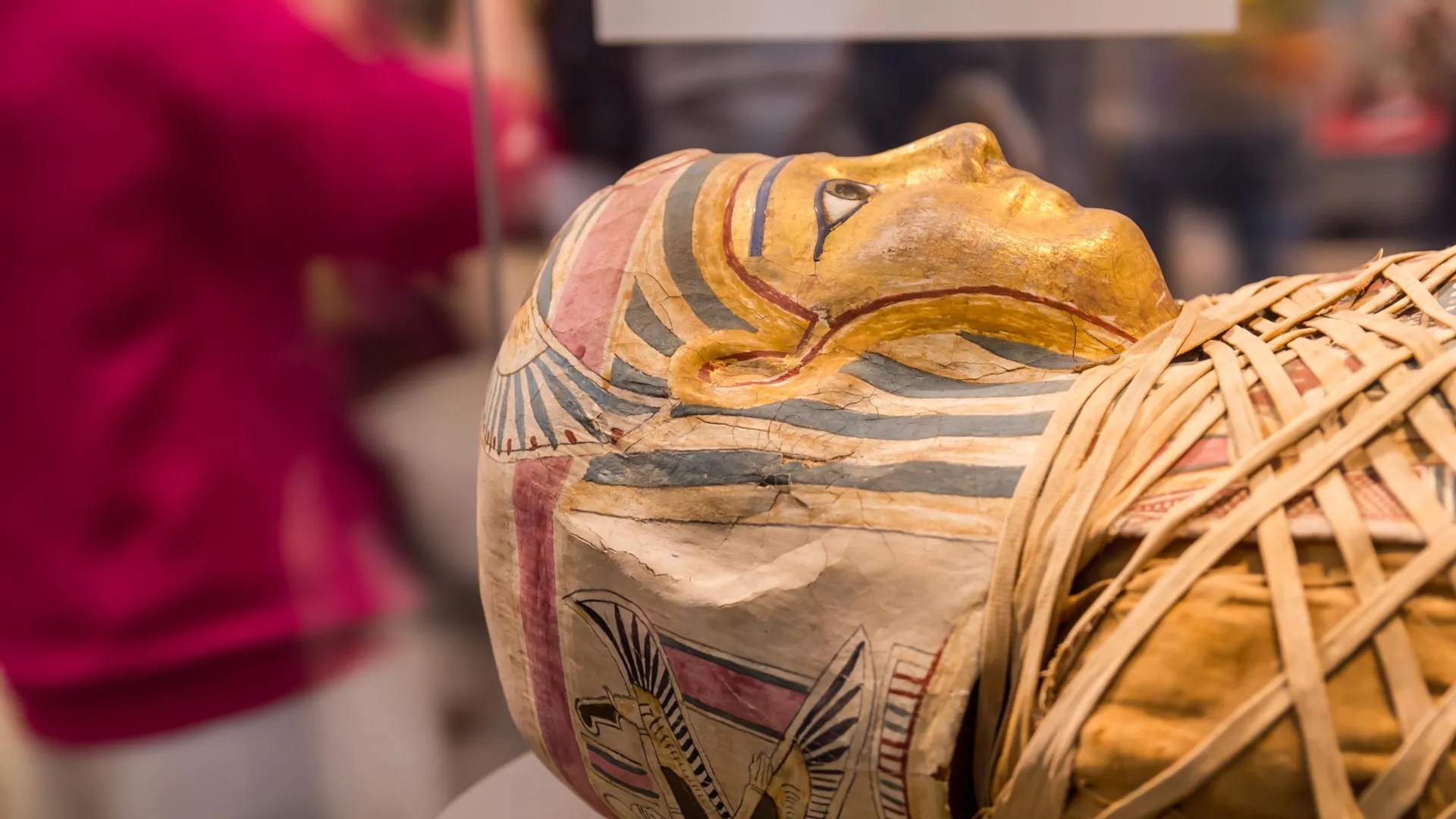
When archaeologists opened a 1,600-year-old tomb in Egypt last winter, they expected to find the usual remnants of ancient burial practices—wrappings, amulets, maybe fragments of spells. Instead, they discovered something that had never been seen before: a piece of Homer's Iliad, deliberately placed on a mummy's body during the embalming ritual.
The find came from Al Bahnasa, a dusty town about 190 kilometers south of Cairo that sits atop the ruins of ancient Oxyrhynchus, one of the most important cities of Greco-Roman Egypt. For decades, this site has yielded thousands of ancient papyri—rolled-up sheets of writing material made from river plants. But this discovery was different.
"This is not the first time we have found Greek papyri incorporated into the mummification process, but until now, their content was mainly magical," said Professor Ignasi-Xavier Adiego, director of the Oxyrhynchus project. "The real novelty is finding a literary papyrus in a funerary context."
The mission, led by Maite Mascort and Esther Pons through the Institute of Ancient Near East Studies at the University of Barcelona, uncovered the mummy in Tomb 65 of Sector 22 during excavations in November and December 2025. Resting on the mummy's abdomen was a carefully positioned papyrus—placed there intentionally as part of the burial ritual.
During a follow-up research campaign in January and February 2026, conservator Margalida Munar and papyrologist Leah Mascia examined the fragile document. Mascia managed to read the faded Greek text, and Professor Adiego confirmed it came from the "Catalogue of Ships" in Book II of Homer's Iliad. This famous passage lists the Greek forces gathering for the Trojan War and is considered one of the best-known sections in all of Western literature.
The University of Barcelona's Oxyrhynchus Archaeological Mission began in 1992 under Professor Josep Padró and has become one of Spain's longest-running archaeological projects in Egypt. The team presented their latest discoveries at the university earlier this year, sharing the news with colleagues and the public.
Why would ancient embalmers include part of the Iliad with a body? Researchers say that remains unclear. Greek literary texts had been found at Oxyrhynchus before, but always in trash heaps or storage rooms—not intentionally placed with the dead. This first-of-its-kind discovery suggests the ancient Romans living in Egypt may have given Greek poetry and philosophy a spiritual significance we didn't know about until now.
The team continues to study the papyrus and hopes future research will reveal more about how and why literary works became part of Egyptian burial practices during the Roman period.