On a quiet morning in Amsterdam, visitors to the Rijksmuseum stood before a simple strand of hair—recreated in wax—holding grains of rice, a silent act of resistance by an enslaved African woman crossing the Atlantic. That image, shared by Valika Smeulders during a United Nations discussion on Juneteenth, became a powerful symbol of how art can restore dignity to those history has tried to erase. The global online event, Art Remembers: Culture as Witness and Prevention, brought together survivors, artists, and scholars from Rwanda to Lithuania to explore a vital truth: culture doesn’t just reflect society—it shapes it, for better or worse.
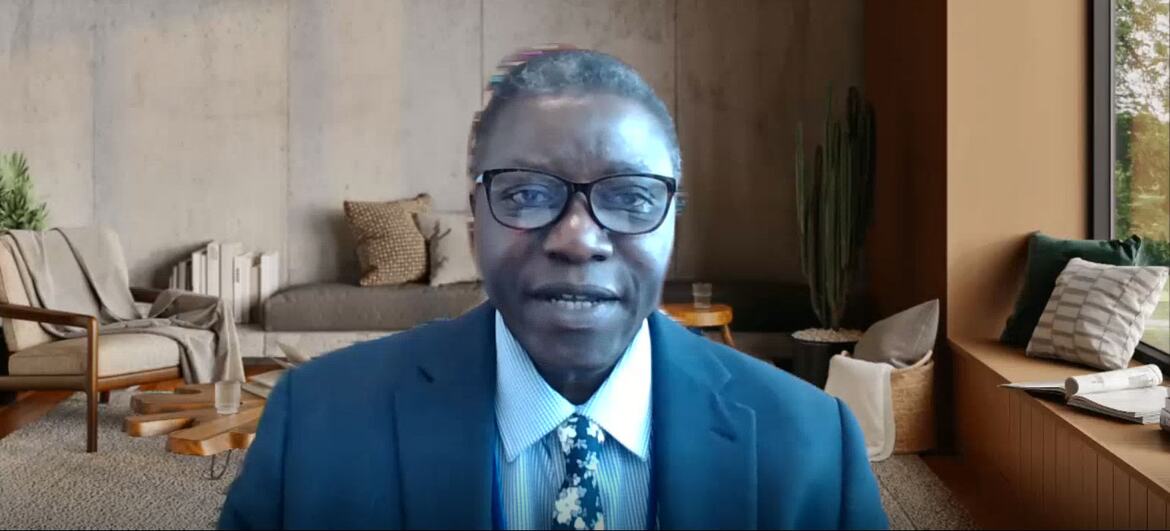
Held on June 19, the anniversary of emancipation in the United States, the dialogue underscored how creative expression can either inflame hatred or heal its wounds. Chaloka Beyani, UN Special Adviser on the Prevention of Genocide, opened with a warning: hate speech is not mere rhetoric—it’s an early signal of atrocity. "Crimes against humanity, war crimes, and genocide are often preceded by dehumanizing narratives," he said, calling for responsibility in how stories are told and remembered.
Smeulders, Head of History at the Rijksmuseum, drew from her institution’s landmark exhibition Slavery: Ten True Stories of Dutch Colonial Slavery, which humanized the enslaved by restoring their names, choices, and courage. One story—of women hiding rice in their hair—was not just an act of survival, but of foresight, a quiet rebellion that helped sustain communities in the New World. "We are telling one single history," she said, "the crucible of our shared present."
For Israeli clarinetist Nur Ben Shalom, music became both memorial and mission. Inspired by a letter from his murdered great-aunt, Salomea Ochs Luft, who pleaded with her family to "avenge her death," Ben Shalom co-created Lebensmelodien (Melodies of Life), performing songs at Auschwitz-Birkenau with his students. "Art is not neutral," he said from southern Poland. "It is a secret weapon that gets directly to the heart."
Yet culture can also arm hate. Rwandan playwright Diogène “Atome” Ntarindwa recalled how RTLM radio—dubbed "Radio Machete"—used music and satire to dehumanize Tutsis before the 1994 genocide. In his play Hate Speech, he embodies a broadcaster, reconstructing the insidious power of propaganda. But by staging it, he turns art into a tool of reckoning.
From Montreal to Srebrenica, the stories shared were not just remembrances—they were calls to action. As the world grapples with rising intolerance, the message was clear: what we create matters. And in the right hands, culture doesn’t just remember—it prevents.