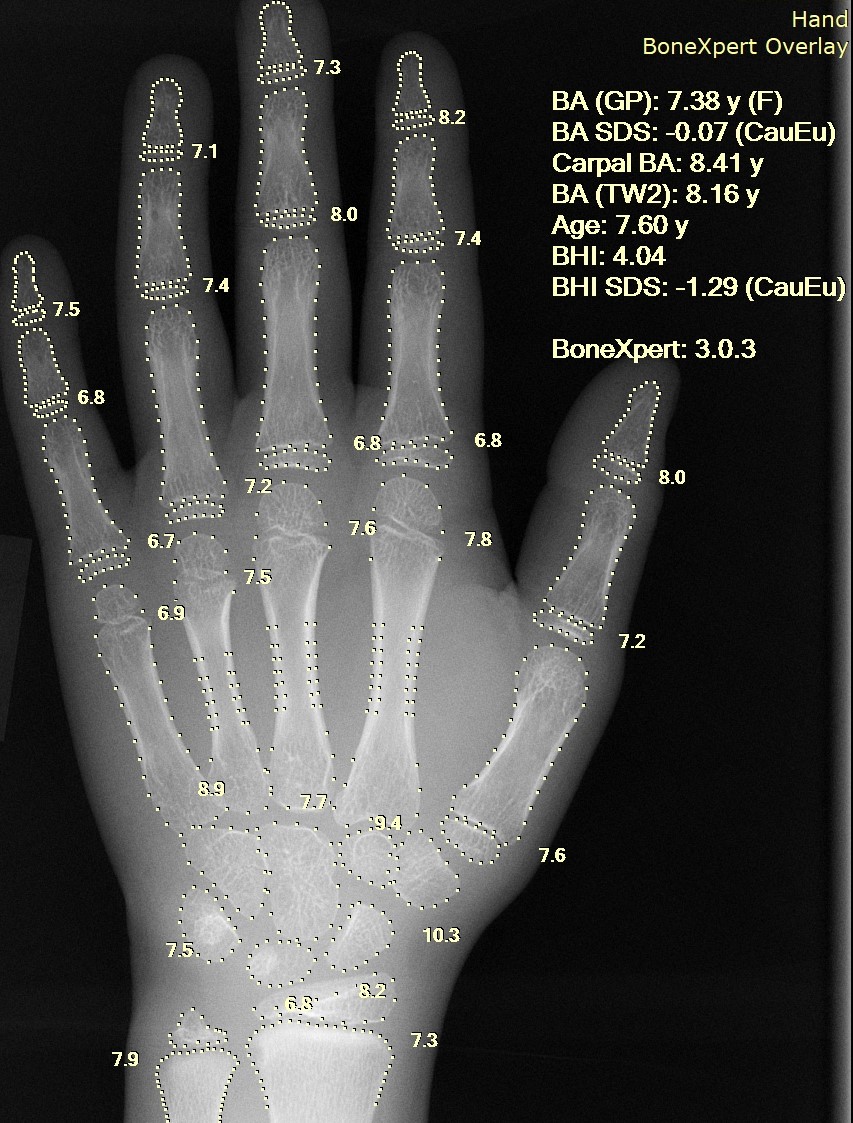
When a radiologist holds an X-ray to the light, artificial intelligence is increasingly standing at their shoulder—analyzing bone density, spotting fractures, or calculating a child's bone age in seconds. This partnership between human expertise and machine learning is quietly reshaping medicine, as AI applications expand from diagnostics into drug development, personalized treatment plans, and patient monitoring across virtually every medical subdiscipline.
The scale of this transformation is remarkable. Around 80% of medical practices now use electronic health records, digital repositories that contain hundreds of millions of patient cases—vast training grounds for AI algorithms to learn patterns invisible to the human eye. These systems can help clinicians predict diseases like Alzheimer's before symptoms appear, surface similar past cases to jog a physician's memory, or consolidate medical terminology so that a patient's full history becomes clearer. When a doctor uses the phrase "heart attack" while another writes "myocardial infarction," AI can now recognize they mean the same thing and weave those records into one coherent narrative.
The promise is genuine. A 2025 meta-analysis in PLOS One confirmed that AI algorithms for detecting tooth decay are clinically justified. A 2023 study comparing ChatGPT responses to physician answers on Reddit found evaluators preferred the AI-generated responses in 78.6% of 585 cases, praising them for quality and empathy—though researchers carefully noted this tested isolated online questions, not the nuanced conversation that happens in a real doctor's office.
Yet enthusiasm tempered by caution is the responsible stance here. The same pace of innovation that excites researchers also surfaces uncomfortable truths: inadequate implementation infrastructure, limited workflow integration, and the absence of ongoing performance monitoring keep validated AI tools from moving beyond their home institutions. Healthcare leaders, trained to prioritize patient safety, often resist adopting new technologies until the evidence is undeniable. A 2023 systematic review found that most stakeholders—health professionals, patients, and the general public alike—doubted whether care involving AI could truly be empathetic. There have been cases where AI was deployed in healthcare settings without proper testing, and scientific literature on the subject often suffers from lack of reproducibility, making it harder to verify what works and what doesn't.
The ethical questions loom larger still. Data privacy, job displacement in medical fields, and the risk of amplifying existing algorithmic biases all demand careful attention as these tools proliferate. These are not peripheral concerns; they sit at the heart of whether AI in medicine will deepen trust in healthcare or erode it.
Yet the momentum is undeniable. Radiography remains the most frequently performed imaging test in hospitals worldwide, making it an obvious proving ground for AI assistance with triage and interpretation. As research continues across dozens of medical subspecialties, the question is no longer whether AI will be part of medicine's future—it already is. The real challenge now is ensuring that adoption happens deliberately, with proper testing, transparent performance monitoring, and genuine partnership between human clinicians and the algorithms meant to serve them.