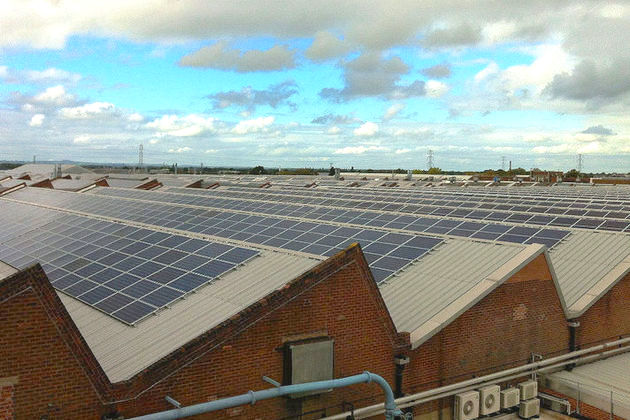
On a sweltering June afternoon in 2026, as temperatures soared past 37°C, a single rooftop solar system in Reading generated 15 megawatt-hours of electricity—enough to power a full-house air conditioning unit for five hours, all without drawing from the grid. This wasn’t a one-off. Across the UK, 1.9 million homes with solar panels collectively produced the equivalent of 10 million hours of solar-powered cooling each day during the heatwave, according to analysis by energy think tank Ember. As British summers grow hotter and more unpredictable, rooftop solar is emerging not just as a tool for cutting energy bills, but as a quiet revolution in climate resilience.
For decades, air conditioning was seen as a luxury in the UK, unnecessary in a temperate climate. But with heatwaves becoming a seasonal fixture, demand for cooling is rising fast. The irony is that the sun, once the source of discomfort, is now the solution. Solar generation peaks precisely when cooling demand does—on long, hot, sunny days. On June 21 and 22, 2026, average rooftop systems hit their stride, producing at levels that could directly offset the energy hunger of modern cooling systems. And with home batteries becoming more affordable, the potential to store midday solar for evening use is within reach.
The scale of solar adoption is staggering. In just two years—2024 and 2025—UK households installed 2.5 gigawatts of rooftop solar each year, matching the total installed in the previous five years combined. This boom is happening without government subsidies, driven instead by rising energy prices and climate awareness. Meanwhile, large-scale solar is surging too: though only 854 megawatts of solar farms have been completed under the government’s Contracts for Difference scheme, over 10,000 megawatts are now contracted for construction by the early 2030s. The result? Solar generation records are being shattered with regularity—eleven peak power records in the first half of 2026 alone, and a new all-time monthly generation high in May.
Even homes without panels are beginning to benefit. The National Grid’s Demand Flexibility Service now rewards households for using more electricity during periods of high renewable output—like running air conditioners at noon instead of at night. As Frankie Mayo, Ember’s report author, puts it: “More and more households are seeing the benefit of rising solar across the UK.” With plug-in balcony solar systems making generation accessible to renters and apartment dwellers, the democratization of clean energy is accelerating. In a warming world, the sun isn’t just a challenge to endure—it’s a resource to harness.