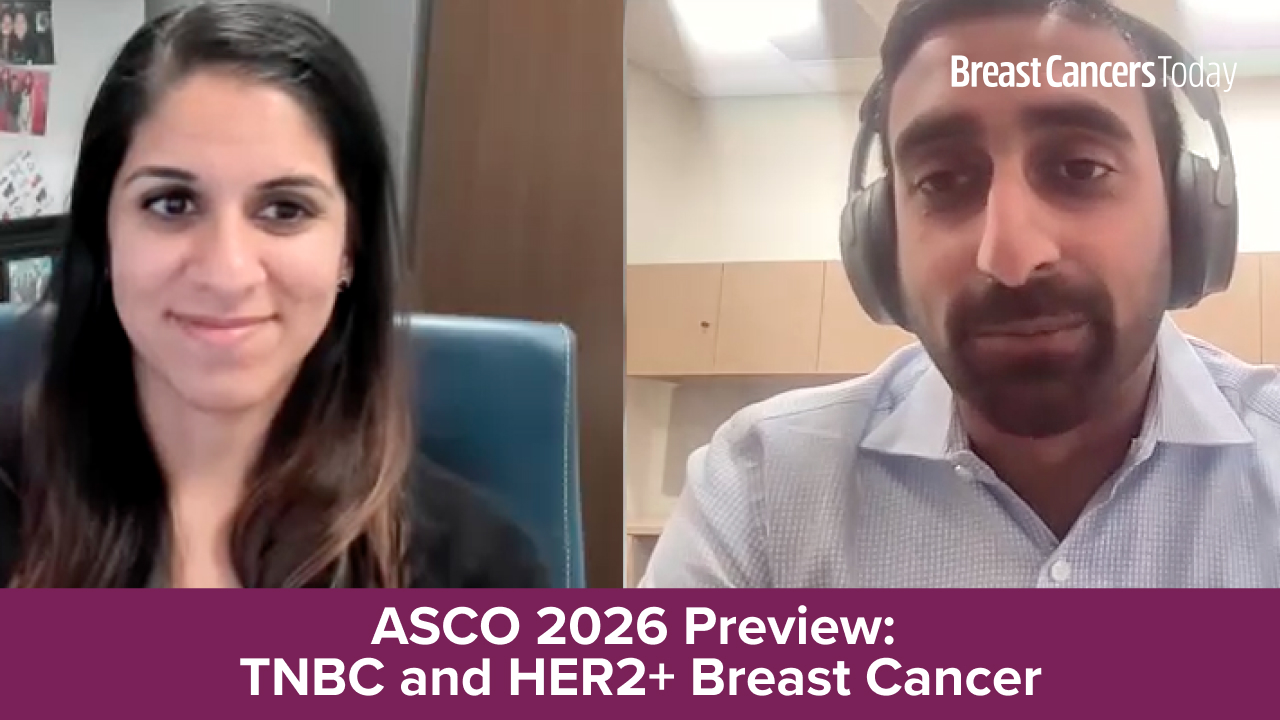
At the American Society of Clinical Oncology annual meeting in Chicago this June, oncologists will gather to discuss a fundamental shift in how doctors treat breast cancer's most aggressive forms. Matthew Kurian, a breast medical oncologist at St. Elizabeth's Yung Family Cancer Center in Edgewood, Kentucky, and Sarah Premji, Assistant Director of Breast Cancer Research at Sarah Cannon Research Institute in Nashville, Tennessee, are among those bringing practice-changing data to the conversation—breakthroughs that promise not just better outcomes but also gentler treatment paths for vulnerable patients.
The HER2-positive breast cancer landscape has already transformed dramatically. Recent data comparing T-DXd, one of oncology's most potent agents, to traditional chemotherapy regimens showed pathological complete response rates that doctors describe as "incredible." But this success comes with a catch. These are intensely toxic treatments designed for the highest-risk patients, and they carry the burden of long-term side effects like neuropathy. So oncologists face a paradox: how to harness breakthrough efficacy while also meeting patients where they are, especially those with smaller tumors or limited tolerance for brutal chemotherapy.
Enter anbenitamab, a novel biparatopic HER2 antibody that binds two non-overlapping parts of the HER2 protein, blocking its signal through a different mechanism than traditional antibody-drug conjugates. A Chinese-led neoadjuvant trial will examine whether this new class of drug, given with albumin-bound docetaxel with or without carboplatin, can match the efficacy of the standard TCHP regimen while reducing toxicity. The study spans six continuous cycles of therapy, potentially allowing for earlier surgery. What matters here is not just the science, but the question it poses: can we achieve powerful results without the collateral damage that has long defined breast cancer treatment?
This tension between escalation and de-escalation defines the entire HER2-positive space right now. There is no consensus among leading oncologists about who should receive which treatment. Some patients need the most aggressive approach possible. Others, treated with outdated regimens, are being cured by drugs that barely existed five years ago. The field is simultaneously exploring how to push T-DXd into earlier stages of disease for maximum cure rates and how to dial back intensity for patients who might not need it.
The innovation extends to triple-negative breast cancer, historically the most lethal subtype. Researchers are advancing bispecific antibody-drug conjugates that target EGFR and HER3 simultaneously, compounds that have already demonstrated promising signals in progression-free and overall survival. These agents represent a new class of weapon against a disease that has long resisted traditional approaches.
What unites these breakthroughs is a recognition that one-size-fits-all oncology is giving way to precision—not just in genomics, but in matching treatment intensity to individual risk, tolerance, and tumor biology. The doctors arriving in Chicago will be grappling with abundance rather than scarcity for the first time in memory: too many effective options, too many open questions, and the genuine privilege of customizing cure.