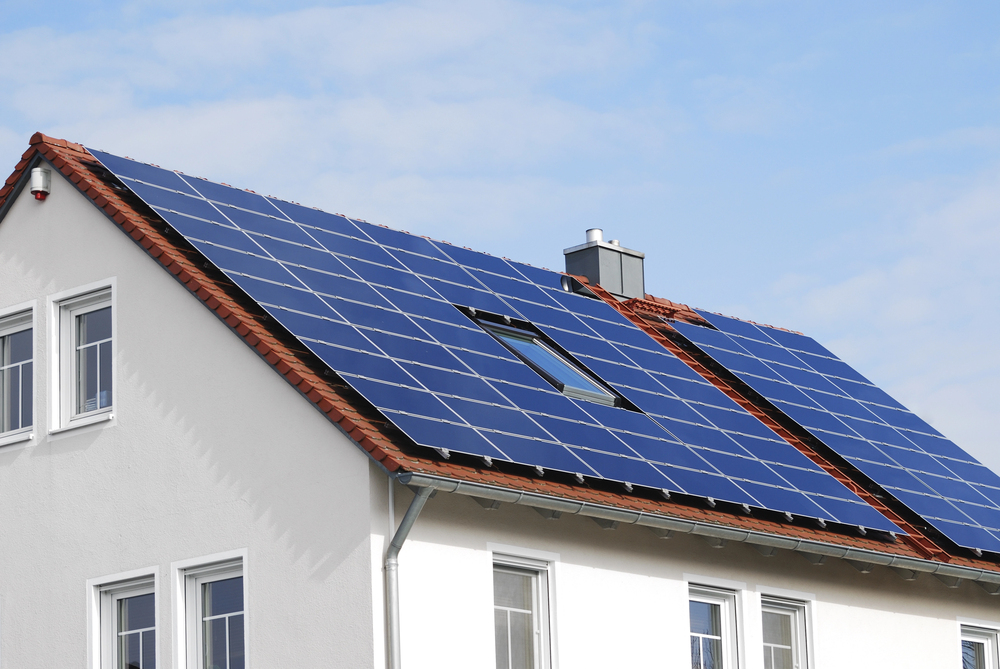
At 12:30 p.m. on September 22, something remarkable happened across Australia: for 30 minutes, rooftop solar panels on homes and businesses powered more than half the entire electricity grid. That single moment was a flash of the future — one where clean energy isn’t just an add-on, but the main event. That day, solar and wind together met 80.4 percent of the country’s electricity demand across the eastern states, South Australia, and the Australian Capital Territory. It was a record, but not the kind meant to last long.
Australia’s energy transformation is happening faster than many expected. More than 4.3 million households now have rooftop solar — one in three homes. That’s not just a number; it’s a distributed power network, quietly generating electricity where people live and work. On that Saturday, large-scale solar and wind farms covered most of the remaining demand, with hydro adding about one percent. Fossil fuels still filled in the gaps, but only about 20 percent of the total. Even coal, long the backbone of Australia’s power, hit a record low in Queensland that weekend.
The conditions helped: clear skies, mild weather, and low energy demand made for a perfect renewable energy day. But timing mattered too. A full year’s worth of new solar and wind capacity came online at once, pushing the system to new highs. "These records are probably not going to last very long," said Dr. Dylan McConnell, an energy researcher at the University of New South Wales. "They’re probably going to be broken in the next couple of weeks."
Still, one record day doesn’t mean the job is done. The real measure of progress is in the long-term numbers. Over the past year, renewables provided 44 percent of Australia’s electricity on average. That gap between 44 and 80 shows both the potential of sunny days and the work still ahead. To hit the national target of 82 percent renewables by 2030, the country will need to build more transmission lines, storage, and generation — fast. Some excess energy on September 22 was stored in batteries and pumped hydro, but some had to be curtailed because the grid couldn’t handle it all.
Energy Minister Chris Bowen celebrated the milestone, calling it "more clean, cheap, sovereign energy powering our homes and businesses than ever before." The message is clear: the shift to renewables isn’t just possible — it’s already happening. And as more panels go up and more projects come online, the next record is already within reach.