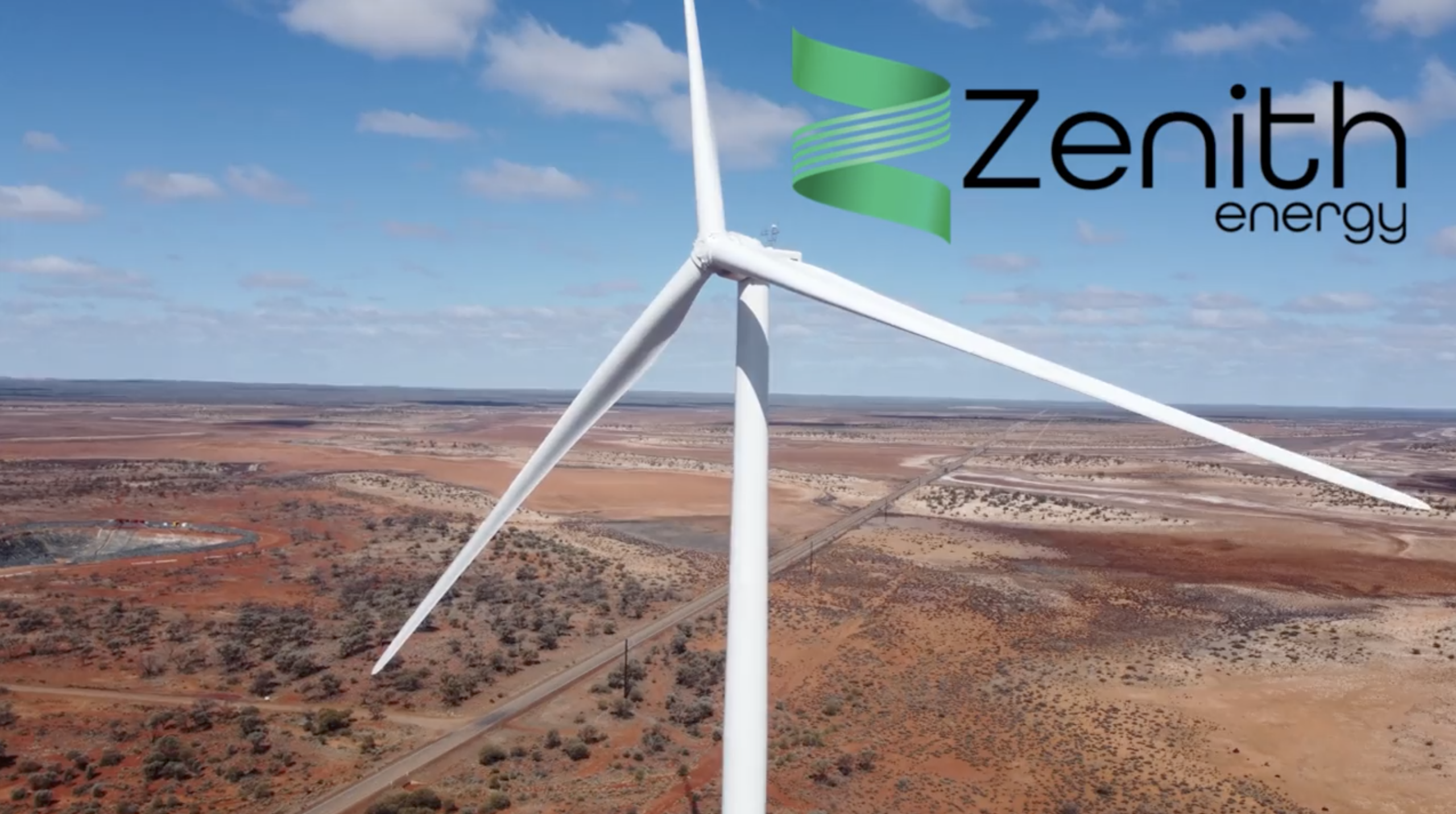
For 155 hours straight—nearly six and a half days—dust rose from the red earth of Bellevue, Western Australia, not from diesel engines, but from electric drills and loaders powered entirely by the sun, wind, and stored energy beneath the outback sky. At the Bellevue Gold Mine, a milestone was quietly achieved: a full-scale mining operation ran on 100% renewable energy, a feat once considered impossible for energy-intensive industries. This wasn’t a test or a simulation—it was real-time proof that heavy industry can break free from fossil fuels.
Mining has long been one of the most carbon-intensive sectors, reliant on diesel generators and grid power in remote locations. But in the arid heart of Western Australia, a new model is emerging. The mine’s hybrid microgrid, operated by Zenith Energy for Bellevue Gold, combines 27 megawatts of solar, 24 megawatts of wind, and a 15-megawatt/33-megawatt-hour battery storage system—a setup capable of meeting at least 80% of the site’s annual energy demand from renewables. Thermal generation remains on standby, but the 155-hour run proved it’s increasingly unnecessary.
"The system is designed to meet at least 80% of site energy needs from renewables, and moments like this show what that looks like in practice – especially with the right weather conditions," Zenith Energy recently shared on LinkedIn. That moment wasn’t just symbolic—it was a technical triumph. The 90-megawatt hybrid power station seamlessly balanced variable wind and solar inputs with battery dispatch, maintaining stable power for continuous mining operations. Engineers monitored cloud cover, wind gusts, and charge levels in real time, proving that renewable microgrids can deliver industrial-grade reliability.
The implications ripple far beyond Western Australia. If a gold mine—one of the most power-hungry operations on Earth—can run for over six days on clean energy alone, then so can other remote industries: desalination plants, data centers, even entire towns. This isn’t a distant vision; it’s happening now, at scale. And Bellevue Gold is aiming higher: it’s on track to become the world’s first net-zero Scope 1 and Scope 2 emissions gold mine, setting a benchmark for an industry responsible for 4% to 7% of global greenhouse gas emissions.
As the sun sets over the Australian outback, the lights at Bellevue stay on—powered not by fossil fuels, but by innovation, wind turbines spinning in the desert breeze, and batteries holding the day’s sunlight in reserve. This 155-hour run wasn’t just a record. It was a signal: the future of heavy industry is already here, and it runs on renewables.