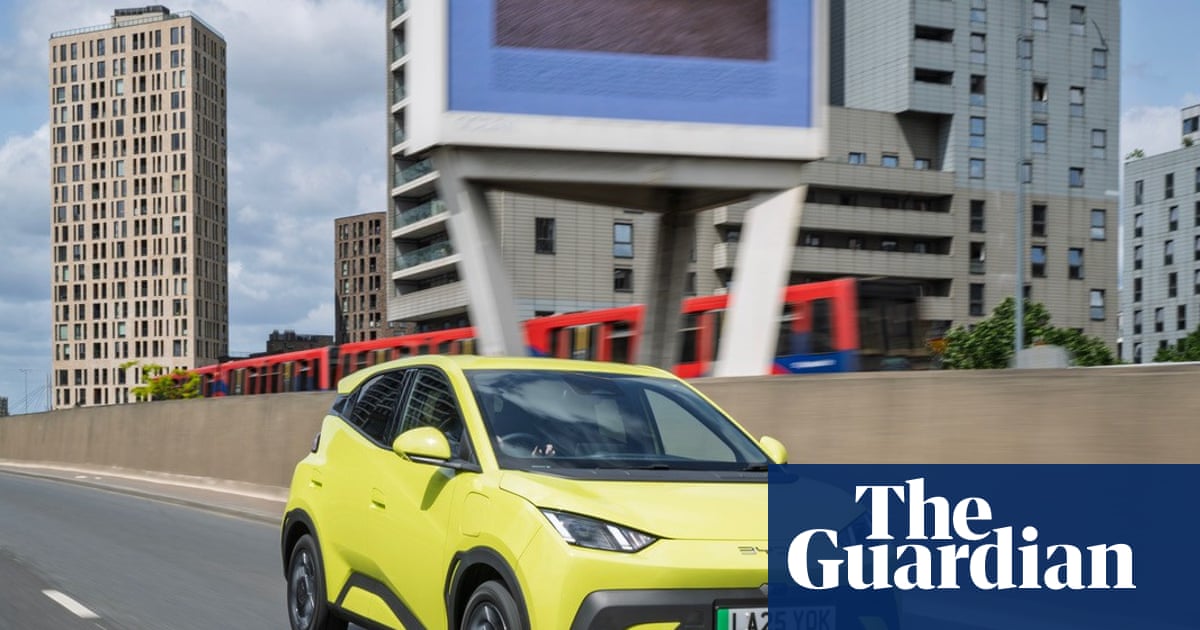
For the first time in UK history, a buyer walking into a showroom will find that an average new electric car costs less than a petrol vehicle—a watershed moment that finally dismantles one of the biggest barriers to fossil-fuel-free transport. According to Autotrader, the UK's largest automotive marketplace, battery electric cars now sit at an average price of £42,620, undercutting petrol models at £43,405. That £785 difference may sound modest, but it represents something far larger: the end of a decade-long assumption that going electric meant paying a premium.
The significance of this shift cannot be overstated. For years, the higher upfront cost of electric vehicles has been the primary reason many drivers hesitate to make the leap, even though running costs for EVs have been lower for some time. That mismatch between purchase price and lifetime value has kept millions tethered to combustion engines. Now, with lower upfront costs combining with significantly lower running expenses, the economic argument for electric vehicles has fundamentally changed.
Multiple forces have converged to make this moment possible. The UK government's electric car grant, introduced last summer, offers up to £3,750 off some models—a direct subsidy that has meaningfully shifted the math for buyers. Meanwhile, manufacturers face intense pressure from the zero emission vehicle mandate, or ZEV, which requires carmakers to hit strict electric car targets or face penalties. That regulatory squeeze has forced "historically high levels of discounting earlier this year," as Bex Kennett, head of new car at Autotrader, noted—a painful but necessary adjustment for legacy carmakers competing against nimble Chinese competitors who have proven they can undercut traditional brands on price and still turn a profit.
The market response speaks volumes. In the first three months of this year alone, battery electric cars accounted for 22% of all new car sales in the UK, according to the Society of Motor Manufacturers and Traders. That surge reflects both desperation and optimism: consumers are actively searching for alternatives to petrol, particularly as energy costs remain volatile. The war in Iran has recently pushed petrol and diesel prices higher, accelerating inquiries for electric vehicles across European car sales platforms as households seek to lock in lower fuel costs.
Gurjeet Grewal, chief executive of Octopus Electric Vehicles, frames it plainly: "For the first time, EVs are cheaper than petrol cars on upfront cost—removing one of the biggest barriers to switching." The observation is grounded and fair. The transition to electric is no longer a choice that requires sacrifice or idealism; it is now simply the economically rational decision for many households.
Yet barriers remain. Drivers without driveways depend on Britain's public charging network, which remains patchy in some areas—a reality that means rural and urban renters face friction that affluent homeowners do not. The infrastructure challenge is real and pressing. Still, for the first time, price is no longer the primary obstacle. The path forward is clear, and increasingly, it runs on batteries.