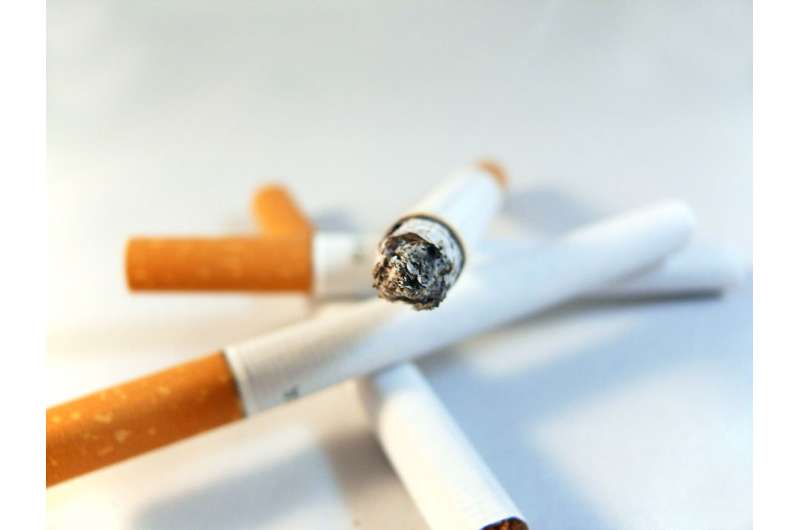
At the 11th Conference of the Parties to the WHO Framework Convention on Tobacco Control, respiratory doctors from around the world made an urgent case for something rarely framed as an environmental crisis: cigarette filters. Yet the evidence is stark. These filters rank among the world's most littered plastic waste, accumulating in soil and water where they fragment into microplastics and leach toxic substances like nicotine into ecosystems—all while providing no meaningful protection to the people who smoke them.
The American Thoracic Society and its partner organizations within the Forum of International Respiratory Societies are now calling on countries to act on decisions made at COP11, which encouraged nations to consider comprehensive bans on cigarette filters and single-use electronic nicotine delivery systems. The urgency reflects a double bind: these products harm both human health and the environment simultaneously, compounding the burden on lung health worldwide.
Dr. Filippos Filippidis, chair of the European Respiratory Society's Tobacco Control Committee and an associate professor at Imperial College London, frames the problem plainly: "Beyond their direct health effects, tobacco and nicotine products also degrade the environment through waste, pollution, and emissions." The filters themselves are designed to degrade slowly, meaning cigarette butts persist in the environment for years. As they break down, they fragment into microplastics that contaminate soil and water systems. Marine life ingest them, suffering toxic exposure, while the filters themselves contain no evidence of being safely recyclable.
What makes this particularly troubling is the false sense of security cigarette filters create. Despite widespread consumer perception that filters make cigarettes safer, there is no "harm reduction" benefit—and filters may actually increase risk of lung adenocarcinoma by encouraging smokers to inhale more deeply into peripheral lung tissue. The filters exist primarily to improve the palatability and appeal of cigarettes, making them more attractive to new users, especially young people.
This design reality exposes another problem: industry-backed efforts to recycle or clean up cigarette filters through Extended Producer Responsibility programs serve mostly to shift the narrative. Such initiatives promote what experts call greenwashing—making the tobacco industry appear environmentally responsible while undermining comprehensive marketing bans and limiting corporate accountability. Meanwhile, the filters continue to mislead consumers into thinking filtered products are safer, potentially discouraging people from quitting altogether.
The path forward, according to respiratory health leaders, is clear: phasing out and prohibiting cigarette filters entirely, along with single-use electronic nicotine delivery systems. Removing filters would reduce the palatability of cigarettes, which researchers expect would naturally decrease smoking uptake among younger groups. This isn't about harm reduction through cleanup efforts or corporate responsibility schemes—it's about eliminating the products themselves.
As World No Tobacco Day approaches on May 31, these experts are calling on countries to translate COP11's decisions into concrete regulatory action. The message is straightforward: tobacco and nicotine products that degrade the environment must go. The stakes extend far beyond individual smokers to encompass the health of entire ecosystems and the communities they sustain.