On the rain-slicked cobblestones of Naples, Davide Ballerini became the beneficiary of cycling's cruel lottery when four riders hit the pavement in front of him, clearing a path to victory at stage six of the Giro d'Italia. The 31-year-old Italian, riding for XDS-Astana, was positioned on the inside of a right-hand corner as the peloton hurtled toward the final climb, and when the chaos erupted, he slipped through the tangle of fallen riders and bikes to power toward the finish line with Belgium's Jasper Stuyven unable to catch him.
What unfolded on those final cobbled metres illustrates both the fragility and the strange mathematics of professional cycling. As rain began to fall and the sprint field compressed for a bunched finish, Dutch sprinter Dylan Groenwegen and his Unibet Rose Rockets teammate Elmar Reinders went down simultaneously. Venezuela's Orluis Aular of Movistar fell next, followed by Norway's Tobias Lund Andresen of Decathlon-CMA CGM further back. The crashes triggered a domino effect—that peculiar cycling phenomenon where riders' bikes seem to slide out from under them without direct contact, separated by metres, often caused by the hurried application of brakes. Paul Magnier of France and Jonathan Milan of Italy, both strong contenders for the stage, found themselves caught in the mayhem and out of contention. Yet Ballerini, by the grace of positioning and timing, ascended from third place to first as his rivals scrambled.
Magnier recovered to finish third, his Soudal-Quick Step team displaying the day's strongest depth with Stuyven holding second. British sprint hopefuls Ben Turner of Netcompany Ineos Cycling and Ethan Vernon of NSN Cycling were also swept up in the crash, finishing fifth and 19th respectively. The three-hour, 19-minute stage belonged to Ballerini alone.
The drama at stage's end contrasted sharply with the overall picture of the race, where order and calculation reign. Portugal's Afonso Eulalio of Bahrain-Victorious maintains the pink leader's jersey after his Wednesday victory in Potenza, with a commanding lead of two minutes 51 seconds over Spain's Igor Arrieta. He managed to ease off before the finish on stage six thanks to cycling's protective rule: riders who crash within five kilometres of the finish line keep their times, a mercy that helped preserve his position.
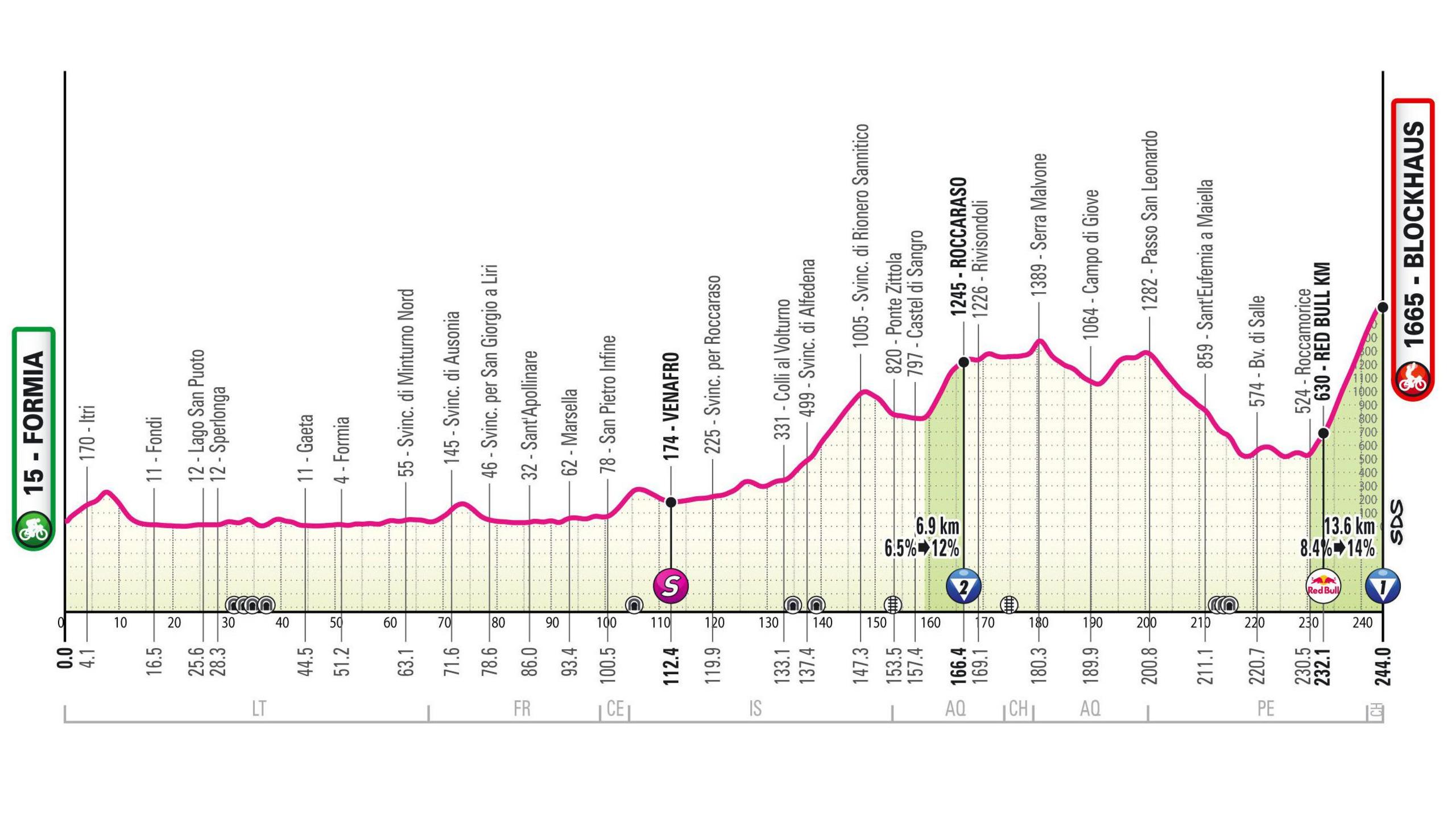
Yet the broader contours of the race are still shifting. Jonas Vingegaard of Denmark, the two-time Tour de France champion riding for Visma-Lease a Bike and widely regarded as the overwhelming favourite for overall victory on May 31 in Rome, trails Eulalio by six minutes 22 seconds. His absence from the top positions has surprised many, but Friday's climb to Blockhaus in the Abruzzo Apennines promises to shake the standings. The mountains, in their mathematics of suffering and strength, are where Vingegaard and the other main contenders for overall glory are expected to finally make their moves.
For now, though, Ballerini's name goes into the record books—a day when the rain and the corner and the grace of position conspired to hand an Italian rider his moment on the roads of Naples.