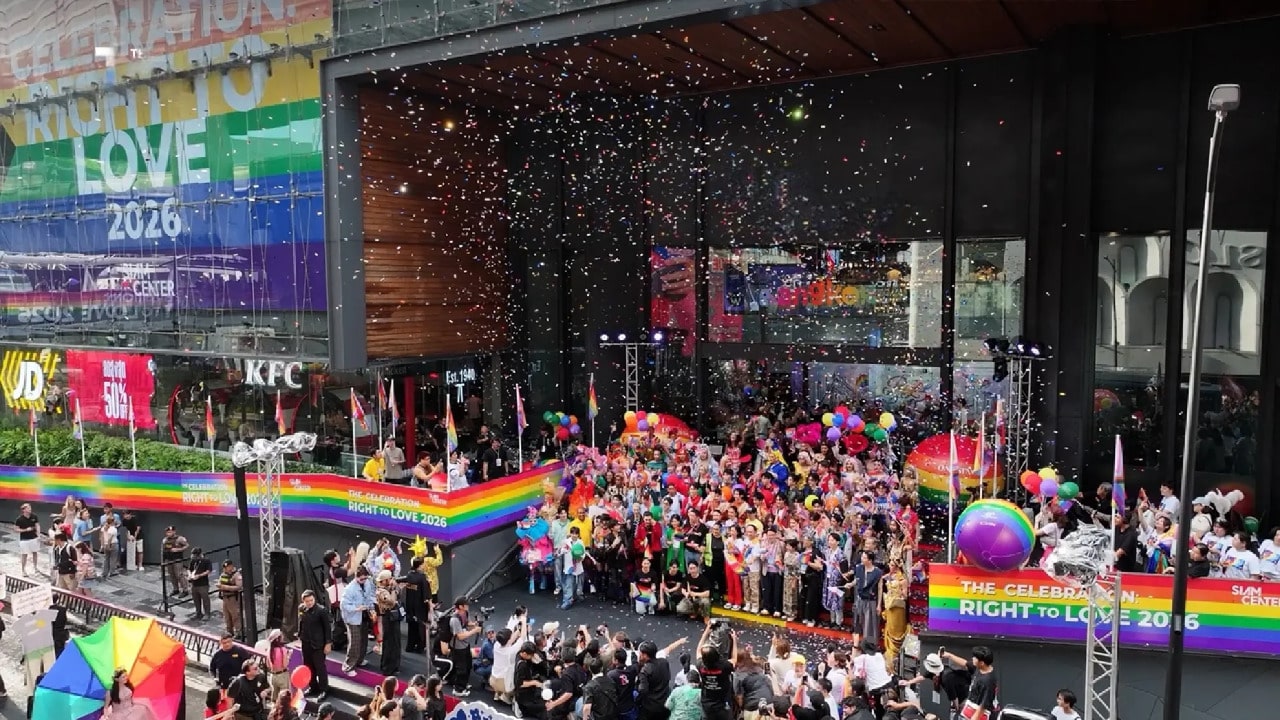
Over half a million people flooded the streets of Bangkok this week, transforming the Thai capital into a shimmering sea of color and celebration—the largest Pride gathering in the nation's history. More than 500,000 marchers, many wearing hand-crafted costumes that told their own stories, filled the city's main avenues under bright skies, their energy sustained by a soundtrack that blended global hits with traditional Thai music. This wasn't just another parade. It was a watershed moment for a country already recognized as one of Asia's most LGBTQ+-friendly nations, now stepping firmly into a new chapter of visibility and legal progress.
The historic turnout reflects Thailand's recent momentum on marriage equality and LGBTQ+ rights—concrete victories that gave the crowd something tangible to celebrate beyond hope and aspiration. International travelers from neighboring countries had flown in specifically for the event, drawn by Bangkok's reputation for openness. Local university students stood alongside Japanese visitors, drag performers electrified live stages set up along the parade route, and small business owners—from souvenir shops to street food vendors—watched their registers ring as the massive crowd surged through the streets.
The parade itself was a feat of logistical choreography and creative expression. Floats covered in flowers and bright banners rolled slowly down city avenues for hours, while thousands of onlookers cheered from sidewalks, waving flags and sharing the infectious joy radiating from the marchers. Local artists had spent weeks designing installations that doubled as moving art. Drag performers in stunning outfits dazzled the crowds, and live music venues hummed late into the warm night with performances from both famous Thai singers and independent indie bands.
One local university student, overwhelmed by the scale and solidarity of the moment, said it plainly: "Seeing so many people supporting us makes me feel incredibly safe and loved." A Japanese tourist captured the broader significance: "We came here because Bangkok is known for being very open and accepting. This event proves that love really does win in the end." These weren't rehearsed statements—they were the authentic expressions of people who felt witnessed and celebrated.
The economic impact was immediate and sweeping. Hotels along the parade route had been fully booked months in advance. Restaurants and food vendors reported a massive surge in sales. According to the Bangkok Metropolitan Administration, the event generated millions of baht for the city, a financial windfall that underscores a simple truth: supporting diversity is good for both the soul and the economy. Even small businesses benefited from the flood of foot traffic; souvenir shops sold out of pride-themed merchandise before the parade even concluded.
The scale of Bangkok Pride 2026 required months of careful coordination between organizers and city officials—and their work clearly paid off. Crucially, the national tourism board heavily promoted the event, signaling official government backing that helped draw the massive international contingent. Organizers are already planning an even more ambitious week-long festival for next year, suggesting that what happened on Bangkok's streets this week is just the beginning of something even larger.