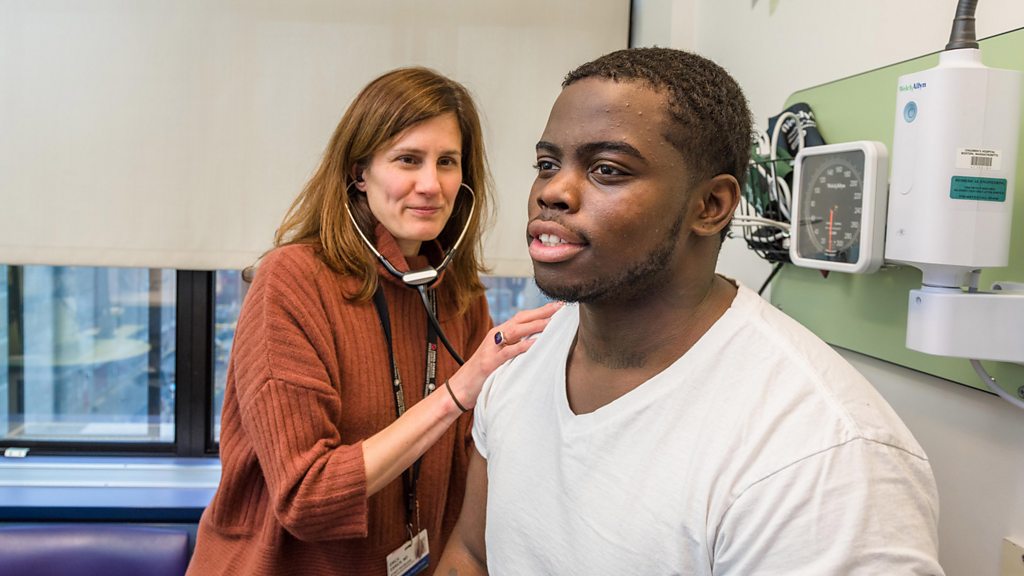
Manny Johnson was the first teenager to step into a Boston Children's Hospital trial that would change his own cells — and possibly the future of sickle cell disease. Six young patients took part in the pilot study, and the results, published in the New England Journal of Medicine, are turning heads. For decades, sickle cell disease has been a painful, lifelong condition in which misshapen red blood cells clog vessels and starve the body of oxygen. But a new wave of gene therapy is asking a bold question: what if we could switch the body back to making the blood it made as a baby?
Sickle cell disease happens because of faulty adult haemoglobin, the protein that carries oxygen in the blood. But every person makes a different, healthier version — foetal haemoglobin — while still in the womb. After birth, that production usually switches off. The new therapies flick that switch back on. Led by doctors David Williams and Erica Esrick, the Boston team's approach and a separate CRISPR gene-editing therapy both zero in on the same gene, nudging bone marrow cells to keep producing foetal haemoglobin so they can compensate for the broken adult kind. Instead of just treating symptoms, the goal is to fix the root problem.
The results are early but encouraging. All six young patients in the pilot trial saw their bodies begin to generate healthy foetal haemoglobin, offering the real possibility of freedom from the pain crises that dominate life with the disease. The study lands at the same moment as promising findings from a CRISPR-based approach, two independent strategies pointing at the same breakthrough. It is a sign that genetic therapies for sickle cell disease may finally be coming of age.
The same edition of the journal holds hope beyond blood. Dutch researchers using a sophisticated form of body scanning have discovered a pair of salivary glands nobody knew existed — the first new set of organs found in centuries. Hiding where the back of the nasal cavity meets the top of the throat, these tiny glands could change how doctors aim radiotherapy for head and neck cancer, letting them spare healthy tissue and give kinder treatment.
And in Africa, there is quiet progress on malaria. Public health lecturer and former Kenya-based researcher Tabitha Mwangi joined the programme to describe a simple but powerful tactic: giving children four months of malaria prevention tablets during the rainy season in West and Central sub-Sahelian Africa. A study spanning millions of children and tens of thousands of health workers found the approach halved the number of children dying from malaria.
From the microscopic secrets of our own bodies to discoveries hidden inside them, these stories share a common thread. Science is learning to work with nature instead of against it — and patients like Manny Johnson are among the first to feel the difference.