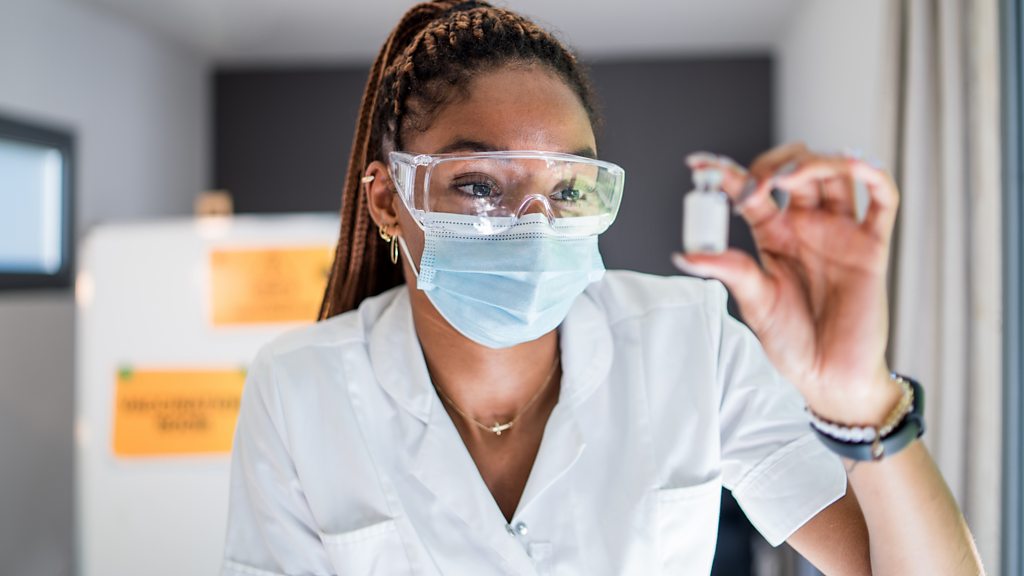
Nigeria has just become only the second country on Earth to approve a malaria vaccine for young children—and for the quarter of the world's malaria cases that happen there, that is very good news indeed.
The vaccine is called R21, and Ghana was the first country to give it a provisional green light. Now Nigeria has followed. Scientists are calling it a "world changer," and Professor Matt Fox is one of the people explaining why. Malaria kills and sickens millions of children across Africa every year, and for decades a reliable vaccine has been the dream that kept slipping away. R21 is a big stride toward making that dream real.
According to the World Health Organisation, more than one in four malaria cases on the planet happen right in Nigeria. That single statistic shows just how much this approval matters—not only for the millions of families living there, but for the whole push to fight one of humanity's oldest and deadliest diseases. Giving young children a shot that can protect them from malaria means fewer fevers, fewer hospital visits, and fewer heartbroken families.
The episode, from the BBC's Health Check programme hosted by Claudia Hammond, also shines a light on other hopeful developments in health. Dementia nurse Kemi Reeves has been supporting people living with dementia in Los Angeles, and her project was recently shown to reduce the cost of caring for people with Alzheimer's disease. That matters because dementia care is expensive and emotionally heavy, so anything that brings costs down while improving support is a genuine win.
There is more good news from the UK, where new research suggests that hearing aids may protect against a higher risk of dementia. It's a simple, practical tool that could help people stay sharp as they age. And as scientists learn more about "Long Covid," they've found a link between breathlessness and having had disrupted sleep—a small clue that could help people recover.
Even the dentist gets in on the act. Author Naomi Alderman was shocked to learn, during a routine visit, that she had a condition called bruxism—meaning she grinds her teeth—and hadn't realised it at all. Researchers are asking whether the stress of the Covid pandemic may have led more of us to grind and clench our teeth without knowing it.
Taken together, these stories paint a picture of a world where science and care keep nudging forward. From a malaria vaccine approved for children in Nigeria and Ghana to cheaper dementia care and clever hearing-aid research, the message is simple: progress is happening, one careful study and one bold approval at a time.