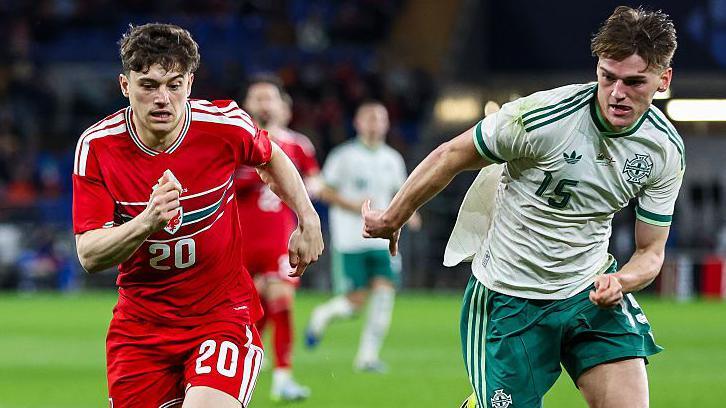
When Scotland clinched a vital World Cup qualifier with a 1-0 win over Denmark last year, 1.1 million viewers in Scotland alone tuned in—a roar echoed across living rooms, pubs, and community centres. That moment, and hundreds like it, will remain freely accessible to all, as the BBC extends its broadcast of men’s international football for Scotland, Wales, and Northern Ireland through June 2028. In a significant win for public access and sporting unity, the broadcaster has renewed its rights deal with UEFA, ensuring every UEFA fixture for the three nations will stay live and free-to-air across BBC television, iPlayer, and Sounds. No paywalls, no exclusivity—just the shared thrill of national pride within reach of anyone with a screen or a radio.
This isn’t just about convenience; it’s about equity. At a time when live sport is increasingly locked behind subscription barriers, the BBC’s commitment safeguards football as a communal experience, particularly for fans in devolved nations who have long sought equitable representation. Since March 2025, when the BBC first secured full live rights for all three teams, audiences have surged. Wales’ dramatic Nations League play-off semi-final against Bosnia-Herzegovina drew 1.71 million viewers across the UK, with Northern Ireland’s qualifier against football powerhouse Germany pulling in 1.11 million—including 121,000 viewers at home in Northern Ireland. These aren’t just numbers—they’re proof of connection, of identity, of belonging.
Over the next two years, the BBC will broadcast around 60 live matches, including the upcoming Nations League fixtures and the crucial Euro 2028 qualifiers. And when Euro 2028 arrives—co-hosted across nine stadiums in the UK and the Republic of Ireland—the tournament will be fully covered across BBC platforms, free for all. The decision reinforces the BBC’s role not just as a broadcaster, but as a steward of shared culture. “International football creates moments that unite communities, sparks national pride and generates huge audiences across every platform,” said Alex Kay-Jelski, BBC Director of Sport. It’s a sentiment echoed by Rhuanedd Richards, interim director of BBC Nations, who called these matches “some of the biggest shared moments in our sporting calendar.”
As qualifiers unfold and new heroes emerge, millions will follow every pass, every save, every goal without cost or restriction. In a world where access to culture is often unequal, this is public service at its most vibrant—uniting nations, one match at a time.