In a quiet corner of Douglas County, Kansas, behavioral health leaders are building something radically different from what people typically expect in mental health care: a place without clinical walls, without therapists directing every moment, but with something far more powerful—people who've walked the same difficult paths now walking alongside each other.
Anchor Pointe Clubhouse represents a deliberate shift in how communities can support adults living with serious mental illness and co-occurring substance abuse disorders. Unlike traditional treatment programs, the clubhouse model creates a non-clinical, peer-led space where participants regain agency over their recovery. The Douglas County commissioners adopted this vision as a key objective in their Community Health Improvement Plan, with the target of establishing Anchor Pointe Clubhouse by 2028.
The model, drawn from the international Clubhouse movement, centers on what advocates call a "work-ordered day"—a structured rhythm where staff and participants work as colleagues rather than as clinician and patient. At Lotus House in Topeka, the nearest existing clubhouse, members and staff collaborate on essential operations: food service, clerical work, outreach, and housing support. While doing this work, participants naturally build confidence, develop employment skills, strengthen social connections, and achieve greater independence. "During this time, members and staff work side by side as colleagues, contributing to the essential tasks that keep our community vibrant and thriving," according to the Lotus House program description.
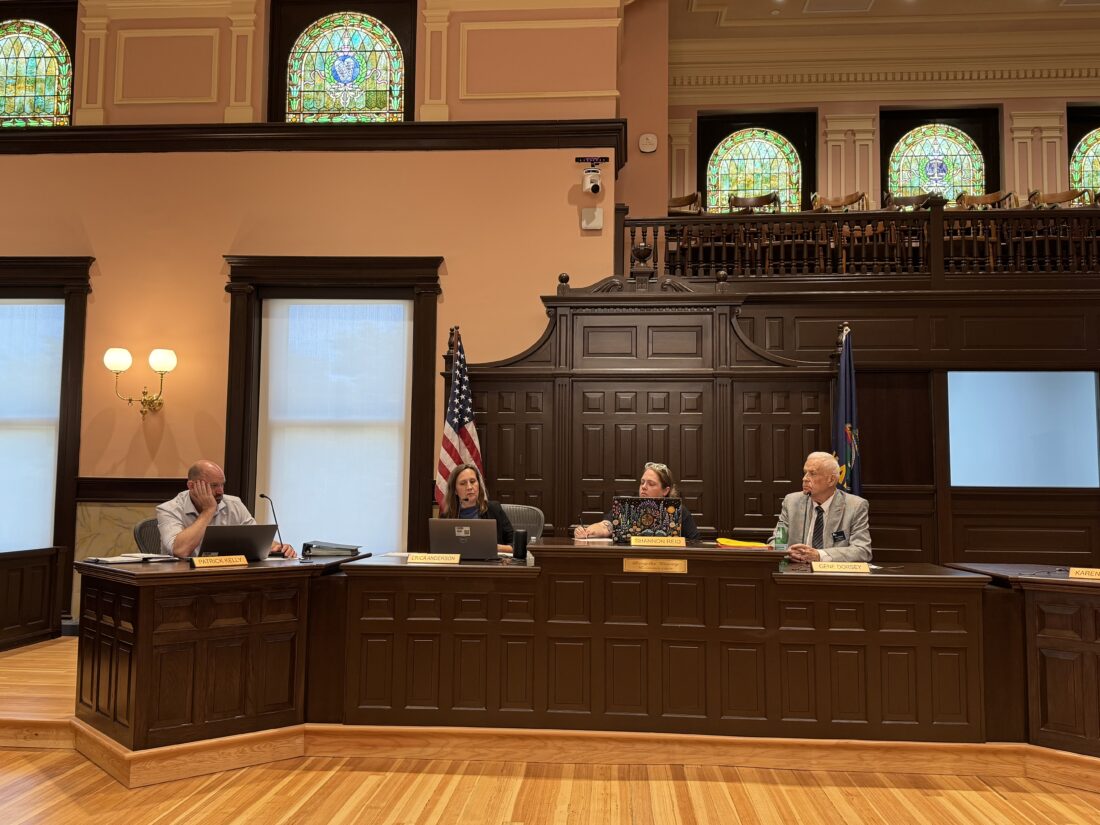
Douglas County's effort gained momentum in 2025 when local officials partnered with the Kansas Clubhouse Coalition and Breakthrough Episcopal Social Services to develop an implementation plan. The initiative reflects a broader push to expand the peer workforce within Douglas County's behavioral health system—recognizing that lived experience holds a kind of expertise no credential can replicate. Commissioner Shannon Reid articulated this conviction clearly: "I think there's just no amount of education and technical training that can match what somebody's lived experience was."
Breakthrough Episcopal Social Services is serving as the sponsoring organization while planning moves forward. To operate, Anchor Pointe will need operational certification through the Kansas Department for Aging and Disability Services and must meet strict Clubhouse International standards—ensuring that local innovation aligns with proven practices worldwide.
The commissioners are exploring an ambitious vision: purchasing and renovating a building that could house both Anchor Pointe Clubhouse and ALIVE Inc., the county's consumer-run behavioral health organization. Such a space would create a unified hub where peer-led recovery and peer-run services reinforce each other.
The timing reflects hard data about what works. Douglas County's Flexible Housing Pool program—which helps chronically homeless individuals transition into stable housing—has already served 24 people since March 2024, with 18 currently housed and enrolled. A conservative county analysis estimates the program has saved approximately $107,960 in public services costs from just those 18 individuals. These numbers suggest that investing upstream in housing and support networks pays dividends far beyond the immediate participants.
As Anchor Pointe moves from planning into reality, Douglas County is betting on a principle that recovery research increasingly confirms: the most transformative tool for people struggling with mental illness is often a peer who has survived the same struggle. By 2028, if the plan holds, adults in Douglas County will have access to a space built on that truth.