When 17-year-old Mira Patel from Hyderabad taught herself to code after school hours using only her phone and free internet, she wasn’t chasing a tech job—she was solving a personal problem. But within a year, her weather-alert app for farmers was featured in a national student innovation showcase. Her secret? Platforms like freeCodeCamp and W3Schools—no tuition, no subscriptions, just open access to the tools reshaping global education. In 2026, millions of learners like Mira are rewriting their futures through free coding platforms that deliver not just lessons, but real-world skills.
This shift matters because it’s dismantling long-standing barriers to tech careers. Where coding once required costly bootcamps or computer science degrees, today’s beginners can master Python, JavaScript, and data structures with nothing more than a smartphone and determination. The rise of project-based learning means students aren’t just memorizing syntax—they’re building portfolios, solving algorithm challenges, and preparing for technical interviews, all for free.
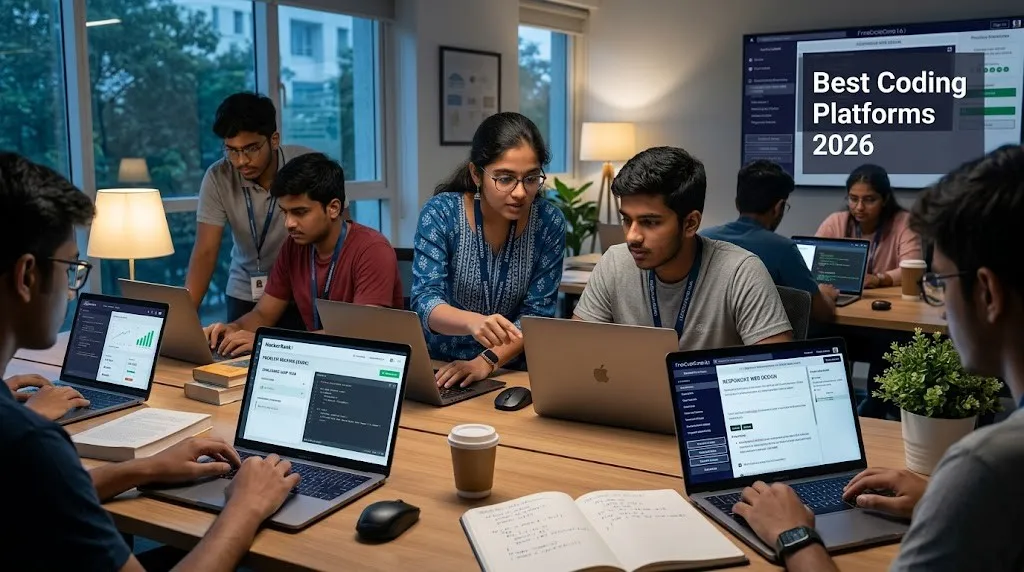
freeCodeCamp remains a cornerstone of this movement, offering full certification tracks in web development, data visualization, and machine learning—all at zero cost. W3Schools logs over 50 million monthly visitors seeking clear, beginner-friendly guides on HTML, CSS, and JavaScript. For interview prep, LeetCode sees more than 10 million users monthly practicing problem-solving techniques used by top tech firms. HackerRank and GeeksforGeeks have become go-to hubs for competitive programming and DSA (Data Structures and Algorithms) mastery, with GeeksforGeeks alone hosting over 10,000 coding exercises. And while Codecademy offers limited free access, platforms like MDN Web Docs provide professional-grade documentation trusted by developers worldwide.
The impact is measurable: learners from Nigeria to Nepal are landing internships, launching startups, and contributing to open-source projects after building skills on these platforms. Universities and employers now recognize certifications from freeCodeCamp as legitimate proof of competency. Communities within these platforms offer peer support, code reviews, and mentorship—proving that learning to code is no longer a solitary journey.
As artificial intelligence and automation redefine the job market, the ability to understand and write code is becoming as essential as literacy. The fact that this knowledge is now freely available to anyone with internet access isn’t just progress—it’s a quiet revolution. And for the next generation of self-taught developers, the future isn’t just open-source. It’s open-access.