Caleb Kim was analyzing blood drawn from trauma patients just hours after they’d been rushed into Seattle’s Harborview Medical Center when he noticed a pattern no one had seen before—immune systems not shutting down, but surging out of control. The discovery, led by Dr. Scott Brakenridge at the University of Washington and published in The Journal of Immunology, could transform how doctors identify and treat patients at risk of chronic critical illness (CCI), a condition that traps 20% of trauma ICU patients in extended, life-threatening stays. For decades, scientists believed severe injury like car crashes or falls triggered immune exhaustion, particularly a lack of interferon-gamma (IFNγ), leaving patients vulnerable to organ failure and infection. But this new research flips that theory: CCI patients aren’t immunologically flatlined—they’re in overdrive.
By tracking 89 trauma patients admitted to the ICU, the team found that those who developed CCI—defined as needing intensive care for more than 14 days—had a distinct immune signature marked by elevated levels of the cytokine IL-17A and increased numbers of Th17 cells and neutrophils. These markers signal a hyperactive, misdirected immune response, not a deficient one. Most strikingly, some patients showed high IL-17A levels as early as day one in the ICU, suggesting immune dysfunction begins almost immediately after injury. This challenges long-held assumptions and opens the door to early diagnostics that could guide personalized treatment. “Understanding that CCI patients do not simply experience an early failure of immunity but rather a misdirected or imbalanced response is critical to developing early interventions,” Brakenridge emphasized.
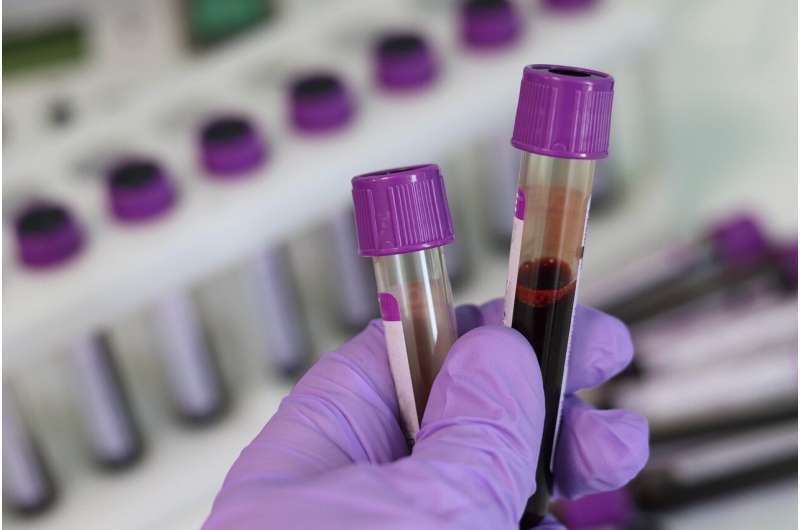
The study compared three patient groups: those discharged within seven days (rapid recovery), between seven and 14 days (intermediate), and those staying beyond 14 days (CCI). Blood samples collected on days 4, 7, 10, 14, and 28 revealed that IL-17A was the most reliable biomarker distinguishing CCI patients from others. With this knowledge, clinicians could one day use a simple blood test to flag high-risk patients upon admission, allowing for earlier, more targeted therapies—potentially shortening ICU stays, reducing complications, and saving lives. Given that prolonged critical illness drives up healthcare costs and strains hospital resources, the broader impact could be significant. The team now aims to uncover the precise mechanisms behind this Th17-biased immune response, with an eye toward developing interventions that restore balance before organ damage sets in. In a field where timing is everything, this research offers a new clock—one that starts ticking the moment a trauma patient enters the ICU.