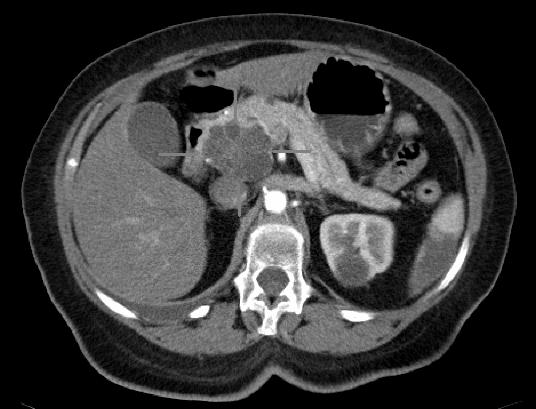
Jashodeep Datta stood in his Miami lab, staring at a digital scan of a pancreatic tumor’s tangled microenvironment — a fortress built not just of cancer cells, but of immune-suppressive allies and fibrous defenses. His team had just uncovered a way to dismantle it from within. At the Sylvester Comprehensive Cancer Center, part of the University of Miami Miller School of Medicine, Datta and his colleagues have identified IL1RAP as a central control point in the inflammatory network that shields pancreatic cancer from treatment. Now, they’re launching a first-of-its-kind neoadjuvant clinical trial that could change how operable pancreatic cancer is treated before surgery.
Pancreatic cancer remains one of the deadliest diagnoses in oncology, with a five-year survival rate still below 13%. A major reason is the tumor microenvironment — a dense, inflamed, and immune-suppressed landscape that resists chemotherapy and immunotherapy. While breakthroughs like KRAS-targeted therapies offer hope for metastatic cases, patients with resectable tumors have seen little progress. That’s why Datta’s discovery matters: IL1RAP isn’t just another molecule. It’s a shared “helper” receptor used by multiple inflammatory signals, linking tumor cells, immune cells, and fibroblasts into a coordinated defense system.
When the team blocked IL1RAP in preclinical models, they saw dramatic changes. Immune-suppressive myeloid cells decreased, T cells became more active, and tumor fibrosis — a hallmark of treatment resistance — began to recede. Most importantly, tumors responded better to chemoimmunotherapy, suggesting that targeting IL1RAP doesn’t kill cancer directly but reprograms the environment that protects it. As Datta puts it, “The goal is not just to attack cancer cells, but to reprogram the environment that protects them, making existing treatments work better.”
Now, that idea is moving into patients. The upcoming neoadjuvant trial at Sylvester will treat operable pancreatic cancer patients with IL1RAP-targeted therapy before surgery, allowing researchers to analyze tumor tissue before and after treatment — a rare window into biological change. Co-author Peter Hosein, M.D., called it a “unique window to connect the science directly to patient outcomes,” a critical step in turning lab findings into real-world impact.
This isn’t just a new drug test. It’s a strategic shift — from targeting cancer alone to dismantling the ecosystem that sustains it. If successful, this approach could become a blueprint for treating other resistant cancers. For a disease where progress has been measured in months, not years, the trial represents more than hope. It’s a tangible step toward turning one of oncology’s most stubborn challenges into a beatable foe.