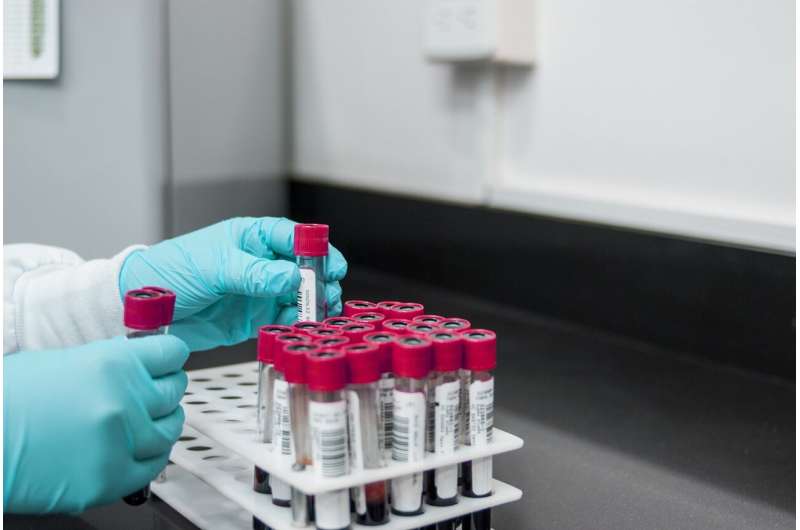
At 45 years old, middle-aged Kiwis in the Dunedin Study are revealing secrets their blood has been keeping for decades—clues that Alzheimer's disease may be whispering itself into being years or even decades before anyone notices they've begun to forget. Researchers at the University of Otago have discovered that a specific protein called pTau181, detectable in blood, shows a striking connection to people's own concerns about their memory and thinking skills, even when they're in their midlife prime. This finding transforms our understanding of when Alzheimer's truly begins, and opens a door to intervention at precisely the moment it matters most.
For over 50 years, the Dunedin Study has followed the same cohort of people from childhood to adulthood, creating one of the world's most valuable windows into human aging and disease. What researchers found in their latest analysis is both sobering and hopeful: the blood biomarker pTau181 was associated with self-reported memory concerns in people who are decades away from a typical Alzheimer's diagnosis—which usually doesn't arrive until people reach their 70s or beyond. The protein that accumulates in people with Alzheimer's disease is apparently turning on much earlier, during the years when life feels busiest and fullest.
Why this matters becomes clear when you consider the current state of treatment. Recent pharmaceutical advances have arrived, but they are not cures. At best, they slow disease progression; they cannot restore the cognitive function already lost in advanced stages. This makes early detection not just medically useful—it makes it essential. Researchers now recognize that these treatments likely work best when taken early, which means identifying the earliest signs of Alzheimer's disease has become a priority that could reshape outcomes for millions.
What makes this research particularly striking is what it does not show—yet. When researchers examined the same 45-year-old participants with MRI brain scans and cognitive tests, they found no detectable changes. The pTau181 signal appears before the brain shows visible damage, and before standard cognitive tests can catch anything amiss. This suggests the protein may be a uniquely early warning system, picking up disease activity at its genesis, when people first notice their own subtle shifts in memory but can point to nothing else concrete. It's a reminder that people often sense something shifting in their own minds before any test can verify it.
The implications stretch beyond diagnosis alone. If Alzheimer's disease can be detected a quarter-century before symptoms typically emerge, that midlife window becomes a critical opportunity for prevention. This isn't about pills alone. It's about the things that feed brain health: staying physically active, nurturing social connections, managing high blood pressure, addressing hearing loss, and supporting the lifestyle factors that protect cognitive reserve. These preventive approaches work best when implemented early—which means the midlife years that the Dunedin Study has now illuminated could be where the real battle for brain health is won.
Researchers emphasize they're still in the early stages of understanding whether elevated pTau181 in midlife truly predicts Alzheimer's risk, or whether it plays a different role in younger adults. The same cohort will continue to be followed as they age, providing answers that could reshape how we think about dementia prevention. For now, this research points toward a more hopeful future: one where we catch disease not in its final act, but at the very moment it begins to unfold.