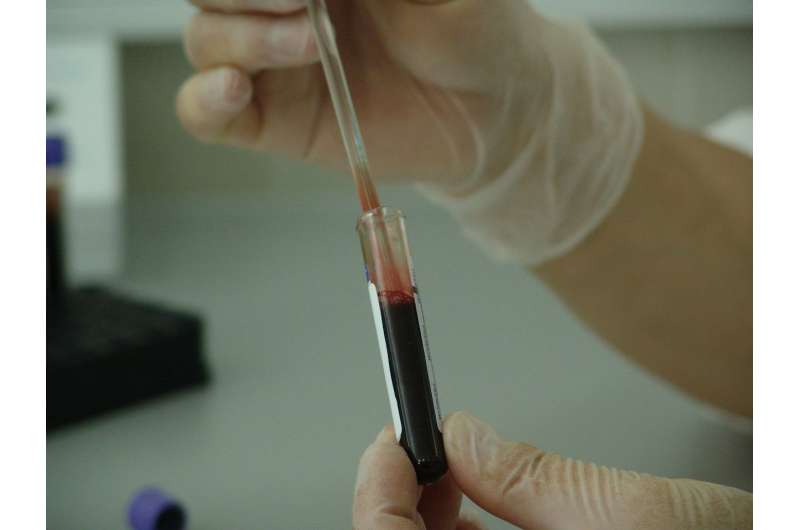
Zhe Huang remembers the quiet hum of the lab at Oxford Population Health, where tiny vials of blood held silent clues to a disease that wouldn’t appear for more than 15 years. Those samples, drawn from men across Europe, have now revealed 12 proteins linked to prostate cancer long before symptoms arise—some signaling aggressive forms that could turn deadly. Prostate cancer is the most diagnosed cancer in men worldwide, yet predicting who will develop dangerous forms has remained a challenge. Most risk factors—like age and genetics—are fixed. But this study offers a new window: the chance to see biological changes years in advance, possibly opening paths to earlier, more accurate detection.
The research team analyzed blood from 982 men who later developed prostate cancer and compared it to samples from 1,573 men who did not, all part of the long-running European Prospective Investigation into Cancer and Nutrition (EPIC). They measured over 6,000 proteins and followed participants for about 16 years. What they found were subtle but telling differences. One protein, GZMK, made by immune cells that hunt down abnormal cells, was linked to future cancer risk—suggesting the immune system may be fighting off cancer long before diagnosis. Another, ANKRD1, kept appearing in men who later developed cancers that spread or proved fatal, pointing to its potential as a red flag for aggressive disease.
The study also found connections between future prostate cancer and proteins tied to known cancer-related genes like ERBB3, KRAS, and NRAS. These links were strongest for aggressive cancers diagnosed around ten years later, hinting at early biological shifts that could one day be intercepted. While these proteins aren’t ready for use in clinics, their discovery helps map the earliest stages of the disease. "Prostate cancer is not one disease," says Dr. Huang. "Many grow slowly and may never cause harm, while others are aggressive and can be life-threatening. By measuring thousands of proteins in blood collected years before diagnosis, we can begin to investigate how men who later develop aggressive prostate cancer may differ from men who do not."
The findings, published in European Urology and presented at the American Society of Human Genetics meeting, are the largest of their kind. They don’t mean cancer was already present when blood was drawn, but they do suggest measurable changes happen long before diagnosis. With further validation, these proteins could one day be part of screening tools that go beyond PSA tests, helping doctors distinguish between cancers that need treatment and those that don’t. For now, they stand as quiet signals in the blood—whispers of risk, heard earlier than ever before.