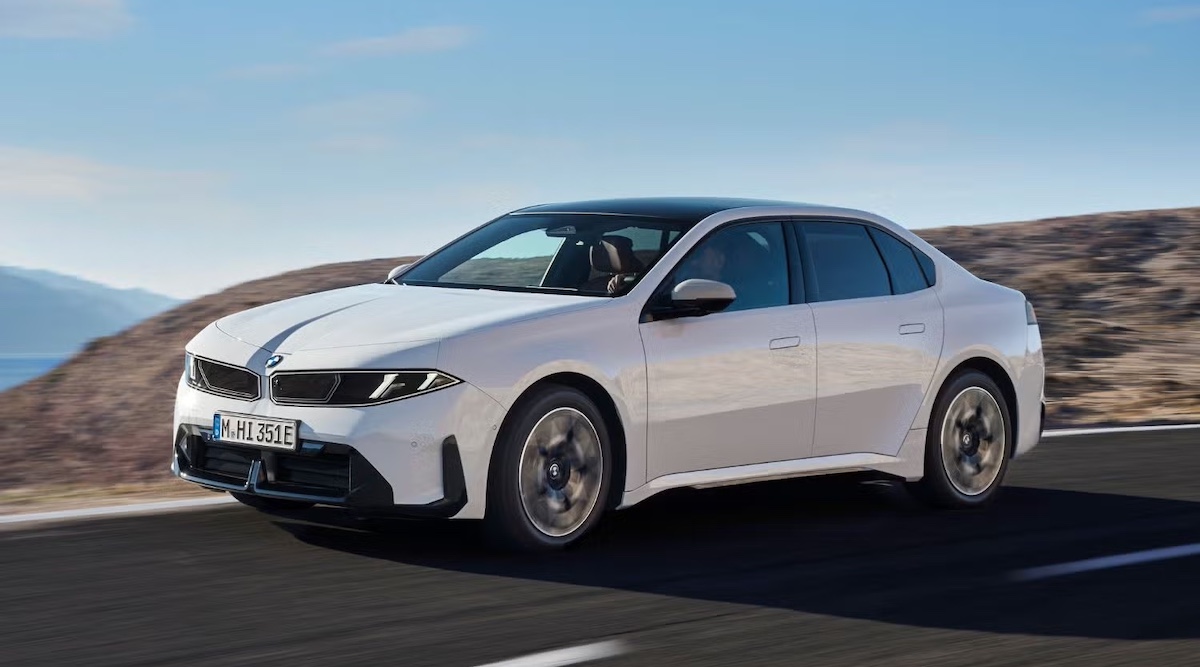
When Julia Krüger test-drove a used 2015 BMW i3 through the narrow streets of Hamburg last spring, she wasn’t just nostalgic—she was reminded of how bold BMW once was. Now, the German automaker is channeling a different kind of courage: not with radical design, but with serious range and performance aimed squarely at the heart of the electric car market. The new BMW i3, unveiled in Munich and set for European delivery in fall 2026, marks the return of a nameplate that once symbolized automotive experimentation. This time, it’s built for the mainstream.
The original i3, discontinued in August 2022, was a pioneer—lightweight, compact, and wrapped in sustainable materials like eucalyptus wood and recycled plastics. But its 71-mile electric range limited its appeal. The new i3 answers that shortcoming with a leap: up to 563 miles on a single charge under the WLTP testing standard, thanks to a 108.7 kWh battery pack. Housed in BMW’s historic Plant Munich, where combustion-powered 3 Series sedans have rolled off the line for decades, the i3 First Edition launches as the i3 50 xDrive, packing 469 horsepower and 476 lb-ft of torque. It rockets from 0 to 62 mph in just 4.7 seconds—performance that blurs the line between eco-conscious sedan and sports saloon.
This isn’t just a new car; it’s a strategic pivot. While the U.S. won’t see deliveries until 2027, BMW is clearly responding to shifting tides. In America, midsize electric sedans are the fastest-growing segment, led by Cadillac’s aggressive electrification push. BMW, which has found success with its i7 luxury sedan and iX SUV, now aims to bring that momentum to a more accessible price point. The i3’s reintroduction as a sleek, aerodynamic evolution of the classic 3 Series—rather than a futuristic city car—reflects what data has long shown: consumers want EVs that fit seamlessly into their lives, not ones that demand adaptation.
The significance isn’t lost on Munich’s engineers. "We’re not just building an electric 3 Series," said lead powertrain developer Elias Hartmann in a recent interview. "We’re building the future of BMW’s core identity." With production staying local at Plant Munich, the company is also betting on skilled labor and German engineering to maintain quality as demand grows. As other automakers retreat from EV targets, BMW’s commitment to launching a high-range, high-performance sedan in the world’s most competitive segment sends a clear signal: the electric transition isn’t slowing down—it’s maturing.
By the time the i3 hits U.S. roads in 2027, the market will be even more crowded. But with 563 miles of range and the BMW badge, it may arrive not as a curiosity, but as a contender.